Current Situation & Pricing Overview 2026 in Croatia
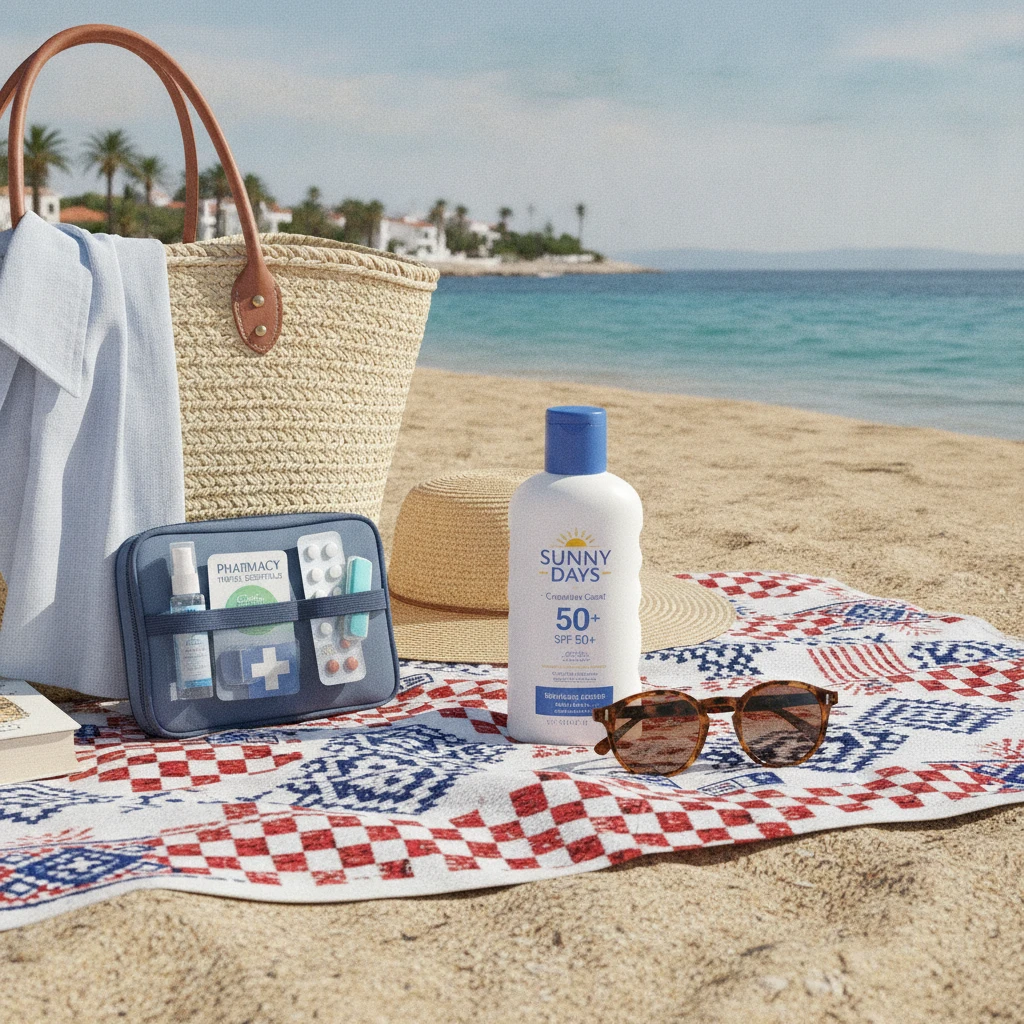
As Croatia continues to thrive as a premier tourist destination, the adoption of the Euro has brought about significant changes in pricing, particularly in the pharmacy sector. In 2026, visitors can expect to pay between 10 € to 20 € for a standard 200ml bottle of sunscreen, reflecting a slight increase due to inflation and the rising cost of imported goods. The coastal regions, known for their stunning beaches and vibrant marine life, have seen a surge in demand for skincare products, making it essential for tourists to budget accordingly.
- Informative estimated average prices in Euros (€)
- Transparent low vs. high peak season price breakdown below
Comprehensive Price Breakdown & Comparison Table 2026
| Product/Service | Low Season Price (€) | High Season Price (€) |
|---|---|---|
| Sunscreen (SPF 30, 200ml) | 10 | 20 |
| After-sun lotion (200ml) | 8 | 15 |
| Moisturizing cream (50ml) | 5 | 25 |
| Lip balm with SPF | 2 | 5 |
| Insect repellent (100ml) | 5 | 12 |
| Beach towel rental | 3 | 7 |
| Beach umbrella rental | 5 | 15 |
| Snorkeling gear rental | 10 | 25 |
Regional Price Variations (Islands vs Coastal vs Inland)
Prices for sunscreen and skincare products can vary significantly across different regions of Croatia. Coastal areas, particularly popular tourist destinations like Dubrovnik and Split, tend to have higher prices due to increased demand. For example, a bottle of sunscreen may cost around 15 € in Dubrovnik, while the same product could be found for 10 € in inland towns like Karlovac. Island hotspots such as Hvar and Korčula may also see premium pricing, especially during peak summer months.
Insider Money-Saving Tips & Tourist Traps to Avoid
- Shop Local: Look for pharmacies away from tourist hotspots to find better prices on sunscreen and skincare products.
- Lunch Specials: Take advantage of 'Marenda', a local lunch special that offers affordable meals in many coastal restaurants.
- Grocery Shopping: Consider buying sunscreen and other essentials at supermarkets, which often have competitive prices compared to pharmacies.
- ATM Fees: Be cautious of dynamic currency conversion at ATMs; opt to withdraw in Euros to avoid extra fees.
- Tipping Etiquette: While not mandatory, rounding up your bill or leaving a small tip is appreciated in restaurants and cafes.
Payment Rules, Card Acceptance & Fiscal Receipts
In Croatia, it is common to pay with credit or debit cards in most establishments, including pharmacies. However, smaller shops and markets may only accept cash, so it’s advisable to carry some Euros. Under Croatian fiscal law, always ask for a 'Fiskalni račun' (fiscal receipt) when making a purchase, as this serves as proof of your transaction and is necessary for warranty claims or returns.