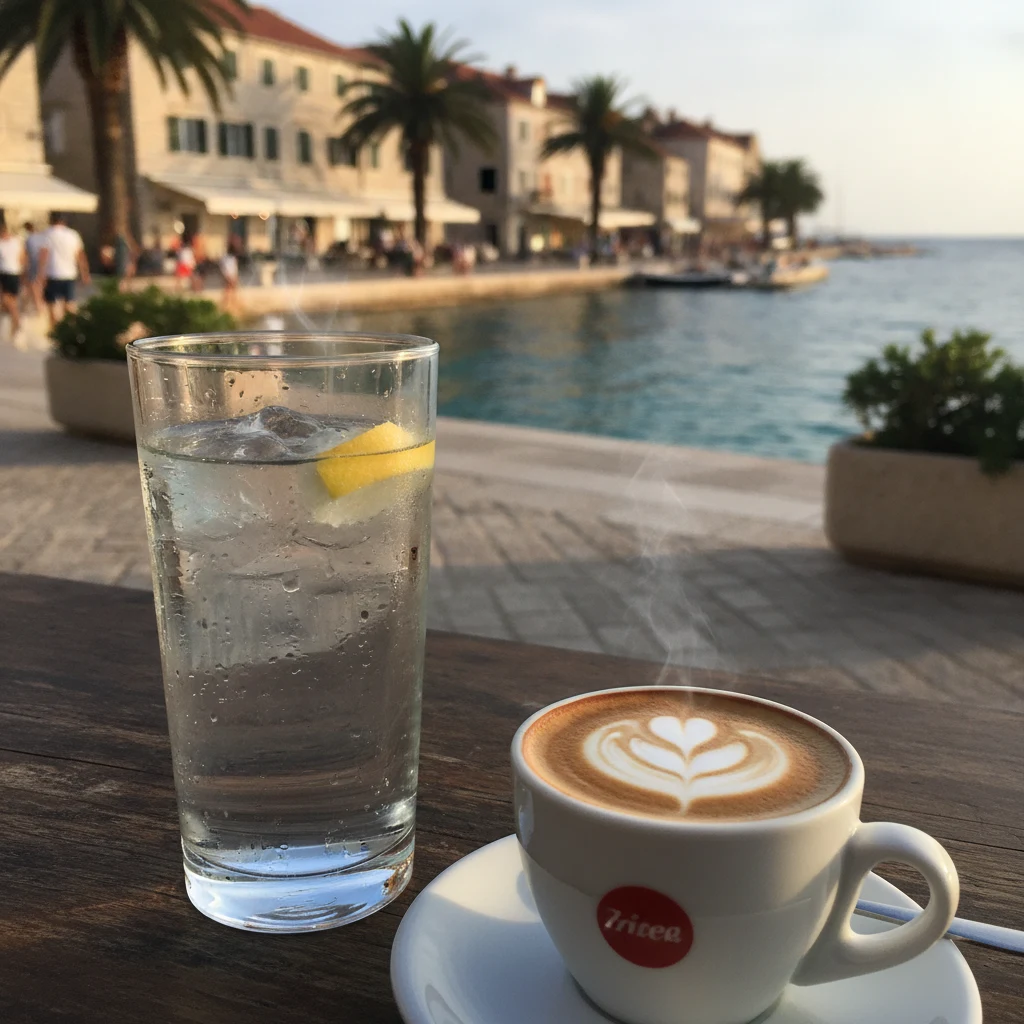
Current Situation & Pricing Overview 2026 in Croatia
Since adopting the Euro in 2023, Croatia's dining prices have seen a gradual increase due to inflation and the adjustment to the new currency. Tourists can expect a range of prices depending on the type of restaurant and location. Coastal areas, especially popular tourist destinations, tend to have higher prices compared to inland regions.
- Informative estimated average prices in Euros (€)
- Transparent low vs. high peak season price breakdown below
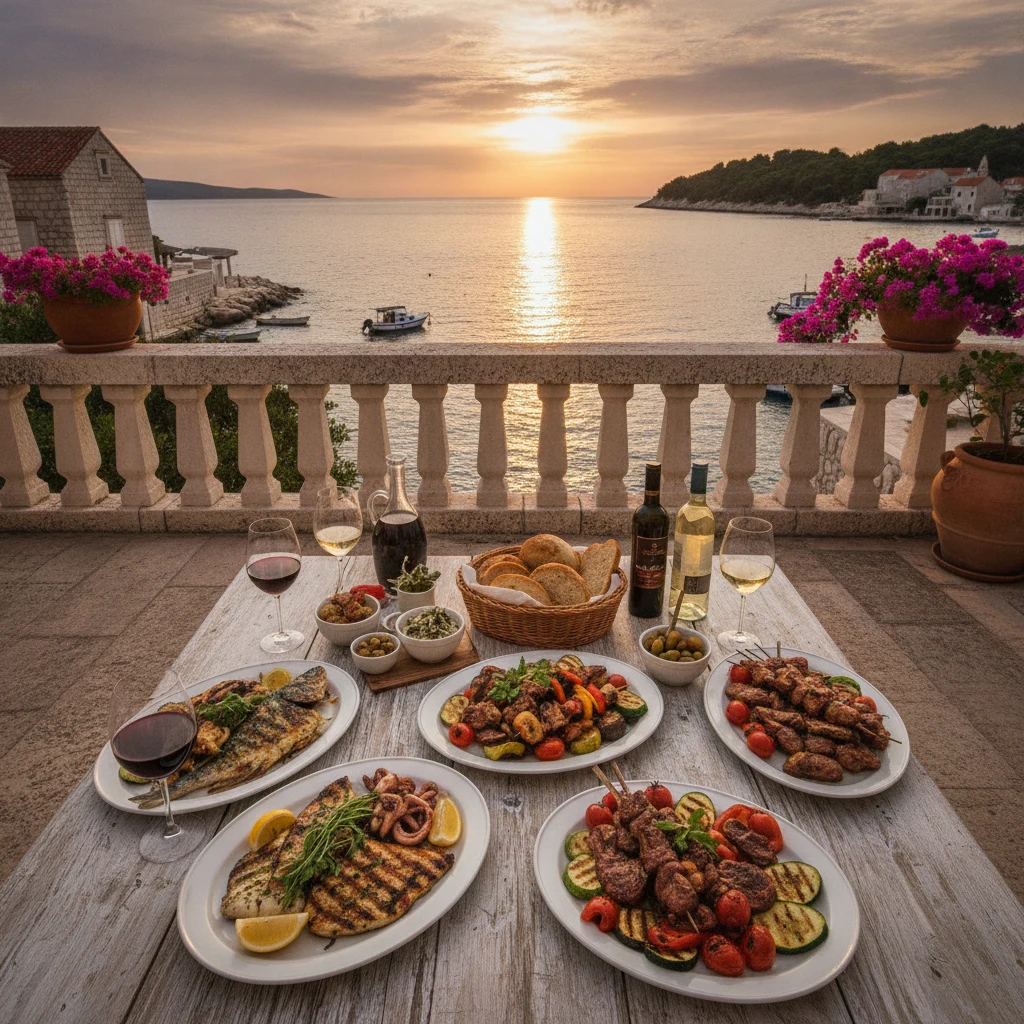
Comprehensive Price Breakdown & Comparison Table 2026
| Service/Dish | Low Season Price (€) | High Season Price (€) |
|---|---|---|
| Meal at an inexpensive restaurant | 10 | 15 |
| Three-course meal for two at a mid-range restaurant | 50 | 80 |
| Domestic beer (0.5L) | 3 | 5 |
| Cappuccino | 2 | 4 |
| Bottle of water (0.5L) | 1 | 2 |
| Fast food combo meal | 6 | 10 |
| Fine dining meal for two | 100 | 200 |
| Local wine (0.75L) | 10 | 20 |
Regional Price Variations (Islands vs Coastal vs Inland)
Prices can vary significantly based on location. In hotspot islands like Hvar and Korčula, expect to pay a premium for dining due to their popularity. Coastal towns such as Dubrovnik and Split also have higher prices compared to inland areas like Slavonia or rural Istria, where you can find more affordable dining options.
Insider Money-Saving Tips & Tourist Traps to Avoid
- Lunch Specials: Look for 'Marenda' deals, which are local lunch specials often offered at reduced prices.
- Grocery Shopping: Consider buying snacks and drinks at local supermarkets to save money on meals.
- ATM Fees: Avoid dynamic currency conversion at ATMs, as it often comes with unfavorable rates.
- Tipping: While not mandatory, leaving a small tip is appreciated and can enhance your service experience.
- Check Receipts: Always ask for a fiscal receipt ('Fiskalni račun') to ensure you are charged correctly and for warranty purposes.
Payment Rules, Card Acceptance & Fiscal Receipts
In Croatia, both cash and card payments are accepted, but it's essential to know that smaller establishments may prefer cash. Croatian law mandates that businesses issue a fiscal receipt for every transaction, which is crucial for tax purposes. Always ask for your receipt, especially if you plan to claim expenses later. While credit cards are widely accepted, be aware of potential fees for foreign cards and always check if the establishment accepts your card type.