Current Situation & Pricing Overview 2026 in Croatia
As Croatia continues to adapt to the Euro, the costs associated with windshield and auto glass repair have seen notable changes. Inflation and the transition to the Euro have led to a moderate increase in repair prices, with tourists now facing an average increase of 10-15% compared to previous years. Visitors should expect to pay between 250 € and 400 € for a standard windshield replacement, depending on the vehicle type and service provider.
In coastal regions, where tourism drives demand, prices can be slightly higher, especially during peak summer months. However, many local repair shops offer competitive rates, making it essential for travelers to compare options.
- Informative estimated average prices in Euros (€)
- Transparent low vs. high peak season price breakdown below
Comprehensive Price Breakdown & Comparison Table 2026
| Service | Low Season Price (€) | High Season Price (€) |
|---|---|---|
| Windshield Replacement (Standard Vehicle) | 250 € | 400 € |
| Windshield Chip Repair | 50 € | 100 € |
| Side Window Replacement | 150 € | 300 € |
| Rear Window Replacement | 200 € | 350 € |
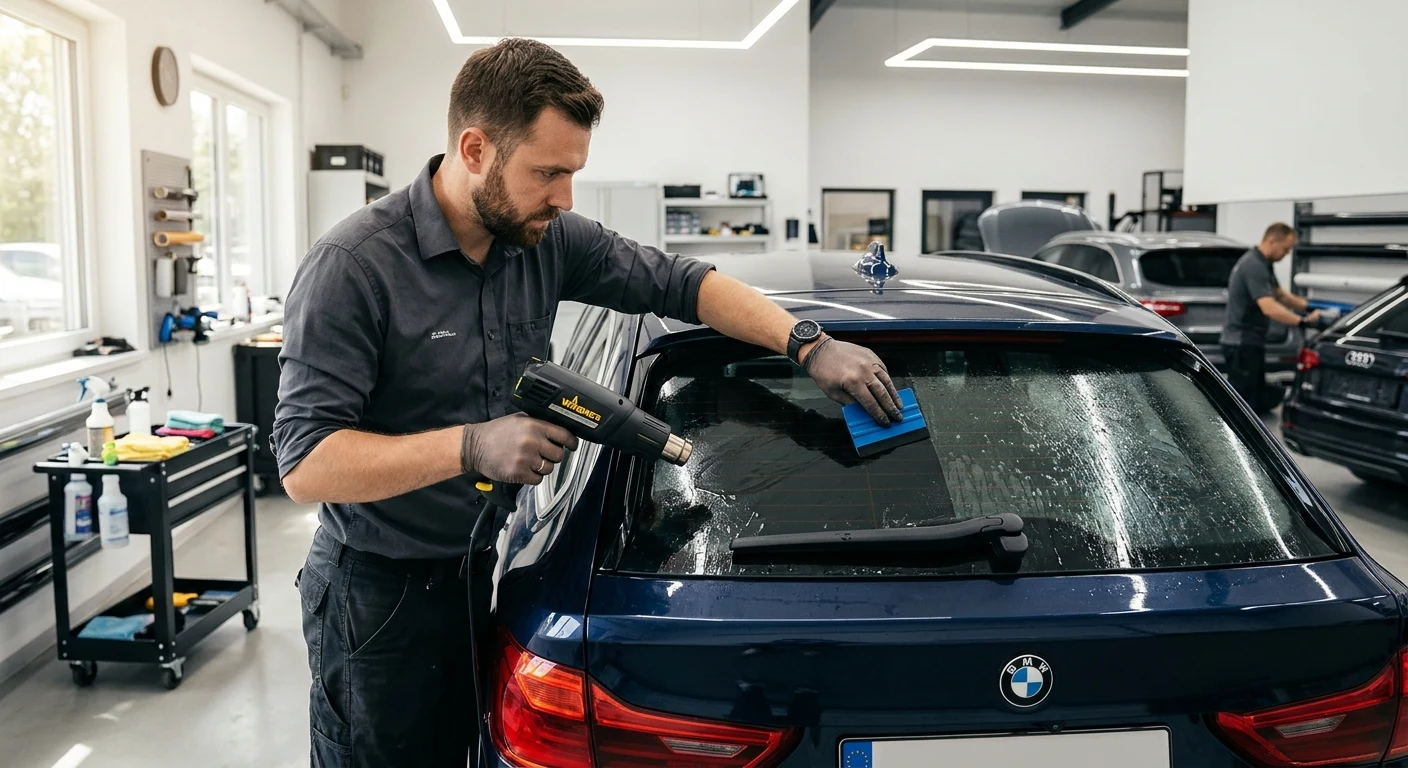
| Tinted Window Installation | 100 € | 200 € |
| Mobile Repair Service Fee | 20 € | 50 € |
Regional Price Variations (Islands vs Coastal vs Inland)
Prices for windshield and auto glass repair can vary significantly across different regions of Croatia. In popular tourist hotspots like Hvar and Korčula, prices may be on the higher end due to increased demand during the summer season. For instance, a windshield replacement in Dubrovnik might cost around 350 €, while the same service in a less touristy inland area could be as low as 250 €.
Coastal towns such as Split and Rovinj also exhibit similar pricing trends, where the influx of tourists can drive up costs. Conversely, inland areas tend to have more competitive rates, making them a viable option for budget-conscious travelers.
Insider Money-Saving Tips & Tourist Traps to Avoid
- Look for Local Lunch Specials: Many local eateries offer 'Marenda' specials, which are affordable lunch options that can save you money.
- Grocery Shopping Hacks: Purchase snacks and drinks from local supermarkets instead of tourist shops to save significantly.
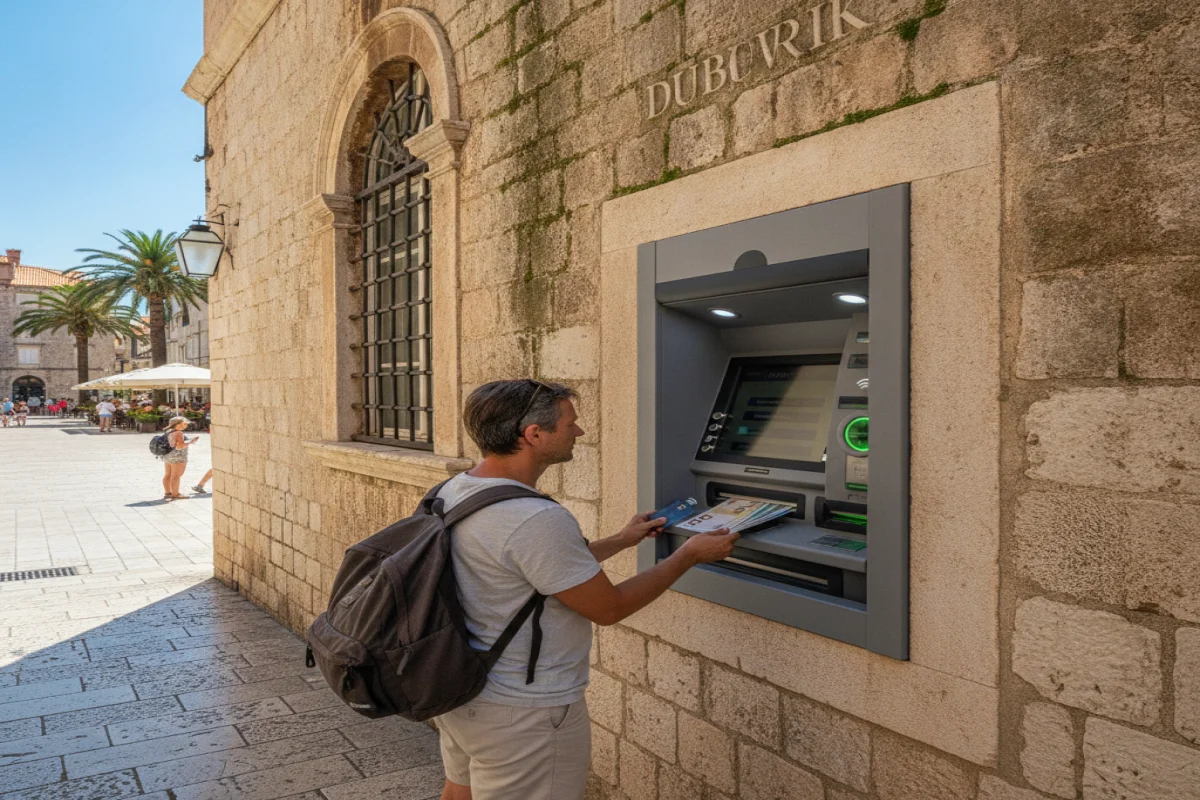
- Avoid Dynamic Currency Conversion: When using ATMs, always choose to be charged in the local currency (HRK) to avoid unfavorable exchange rates.
- Tipping Etiquette: Tipping is appreciated but not mandatory. A 10% tip is customary for good service.
Payment Rules, Card Acceptance & Fiscal Receipts
In Croatia, it is essential to understand the fiscal law known as 'Fiskalni račun.' Businesses are required to issue fiscal receipts for all transactions, which serve as proof of purchase and are necessary for warranty claims. Most repair shops accept major credit cards, but it's advisable to carry some cash, especially in rural areas where card acceptance may be limited.
Always ask for a receipt after your transaction, as this can be crucial for any future claims or disputes regarding the service provided.