Current Situation & Pricing Overview 2026 in Croatia
In 2026, Croatia has seen a significant shift in its beverage pricing landscape following the adoption of the Euro. The inflation rate has stabilized, but prices for coffee and soft drinks have gradually increased, reflecting global trends. Visitors can expect to pay more in popular tourist destinations, particularly along the stunning Adriatic coast, where the demand for refreshments is high.
As a tourist, understanding these price changes can help you budget effectively and enjoy the local beverage culture without overspending.
- Informative estimated average prices in Euros (€)
- Transparent low vs. high peak season price breakdown below
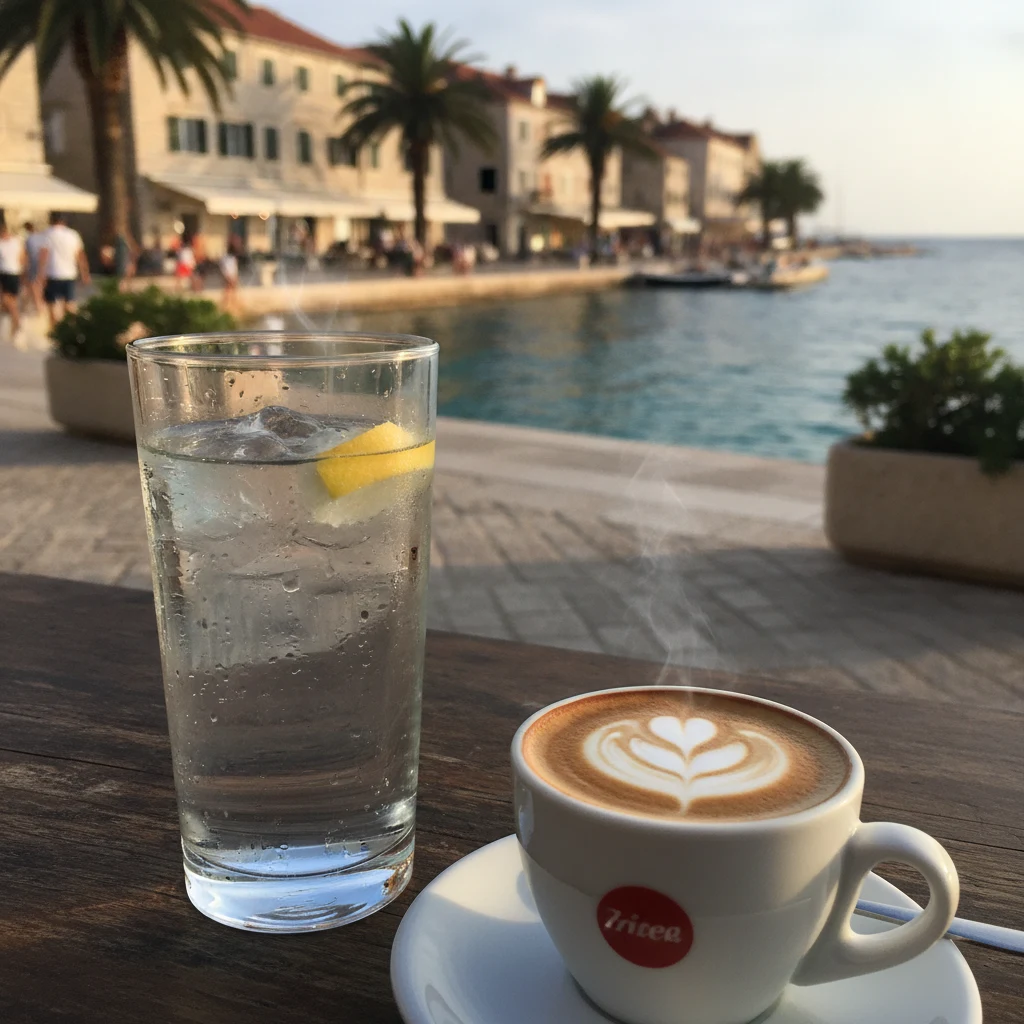
Comprehensive Price Breakdown & Comparison Table 2026
| Item | Low Season Price (€) | High Season Price (€) |
|---|---|---|
| Espresso | 1.20 | 2.50 |
| Cappuccino | 2.00 | 3.50 |
| Latte | 2.50 | 4.00 |
| Soft Drink | 1.50 | 3.00 |
| Local Beer | 2.00 | 4.50 |
| Mineral Water | 1.00 | 2.00 |
| Iced Coffee | 2.50 | 4.50 |
| Fresh Juice | 3.00 | 5.00 |
| Cocktail | 5.00 | 10.00 |
| Coffee to Go | 1.50 | 3.00 |
Regional Price Variations (Islands vs Coastal vs Inland)
Prices for coffee and soft drinks vary significantly across different regions of Croatia. In coastal areas like Dubrovnik, Split, and Rovinj, you can expect to pay higher prices due to the influx of tourists. For example, a cappuccino in Dubrovnik might cost around 3.50 €, while in a smaller town like Poreč, it could be as low as 2.00 €.
On the islands, such as Hvar and Korčula, prices can be inflated during the summer months, with a cocktail reaching up to 10.00 € in beach bars. In contrast, inland areas tend to offer more budget-friendly options, where local cafes serve drinks at lower prices.
Insider Money-Saving Tips & Tourist Traps to Avoid
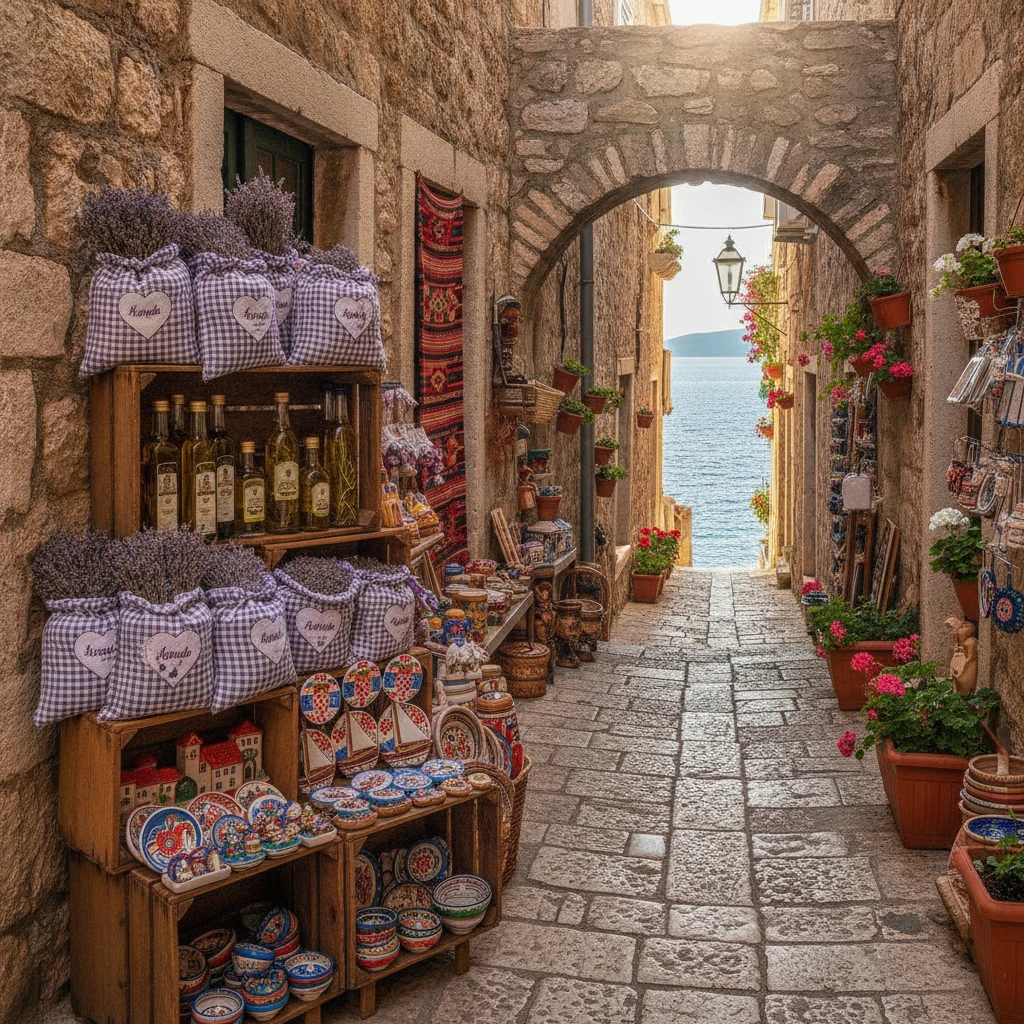
- Look for 'Marenda' Specials: Many local cafes offer lunch specials that include drinks at reduced prices.
- Avoid Beachfront Cafes: Prices are often marked up significantly in cafes located directly on the beach.
- Shop at Grocery Stores: Purchasing soft drinks and snacks from local supermarkets can save you money compared to buying them at cafes.
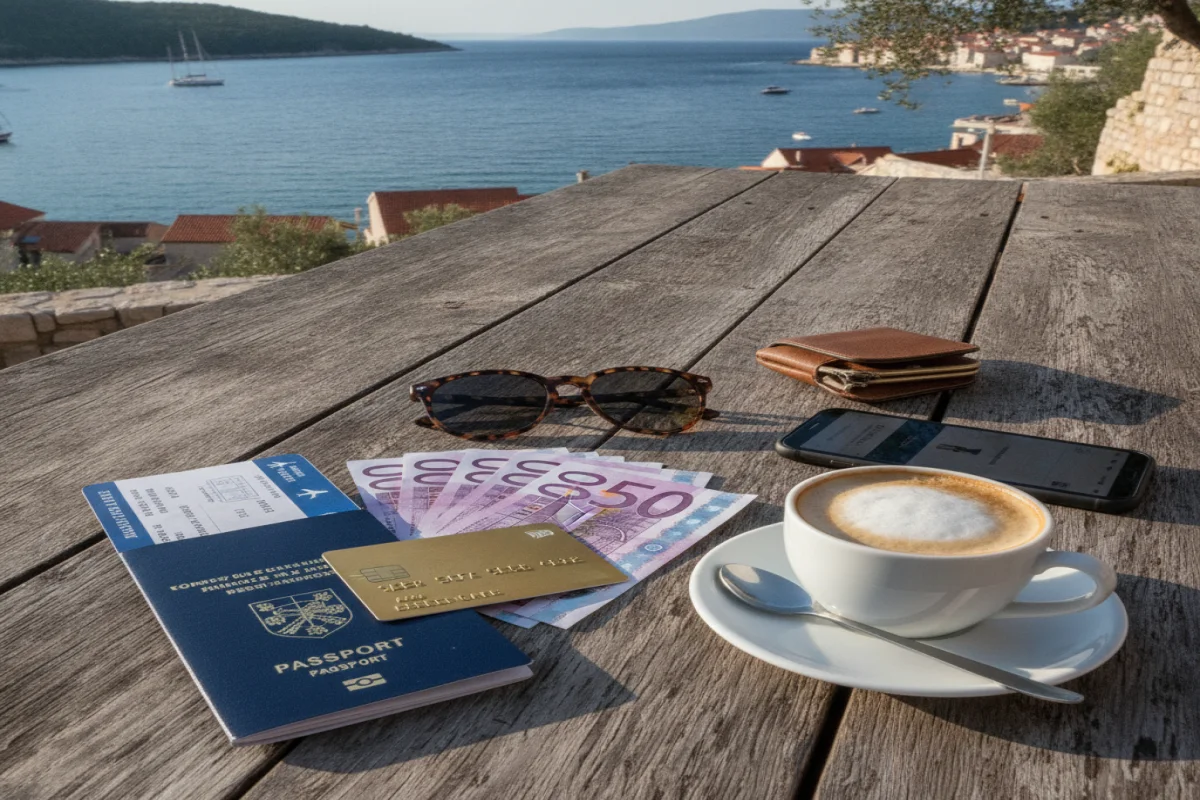
- Be Cautious with Currency Conversion: Using dynamic currency conversion at ATMs can lead to unfavorable exchange rates. Always choose to be charged in Euros.
- Ask for Fiscal Receipts: In Croatia, it's important to ask for a fiscal receipt ('Fiskalni račun') for your purchases, especially if you're a foreign property owner or expat, as it may be needed for tax purposes.
Payment Rules, Card Acceptance & Fiscal Receipts
In Croatia, most establishments accept major credit cards, but it's always wise to carry some cash, especially in rural areas. When you make a purchase, ask for a fiscal receipt ('Fiskalni račun'), as it is a legal requirement for businesses to provide one. This receipt can be important for expats and tourists who may need to keep track of their expenses or require proof of purchase for any reason.
Overall, understanding the pricing landscape for coffee and soft drinks in Croatia will enhance your travel experience, allowing you to enjoy the local flavors while managing your budget effectively.