Current Situation & Pricing Overview 2026 in Croatia
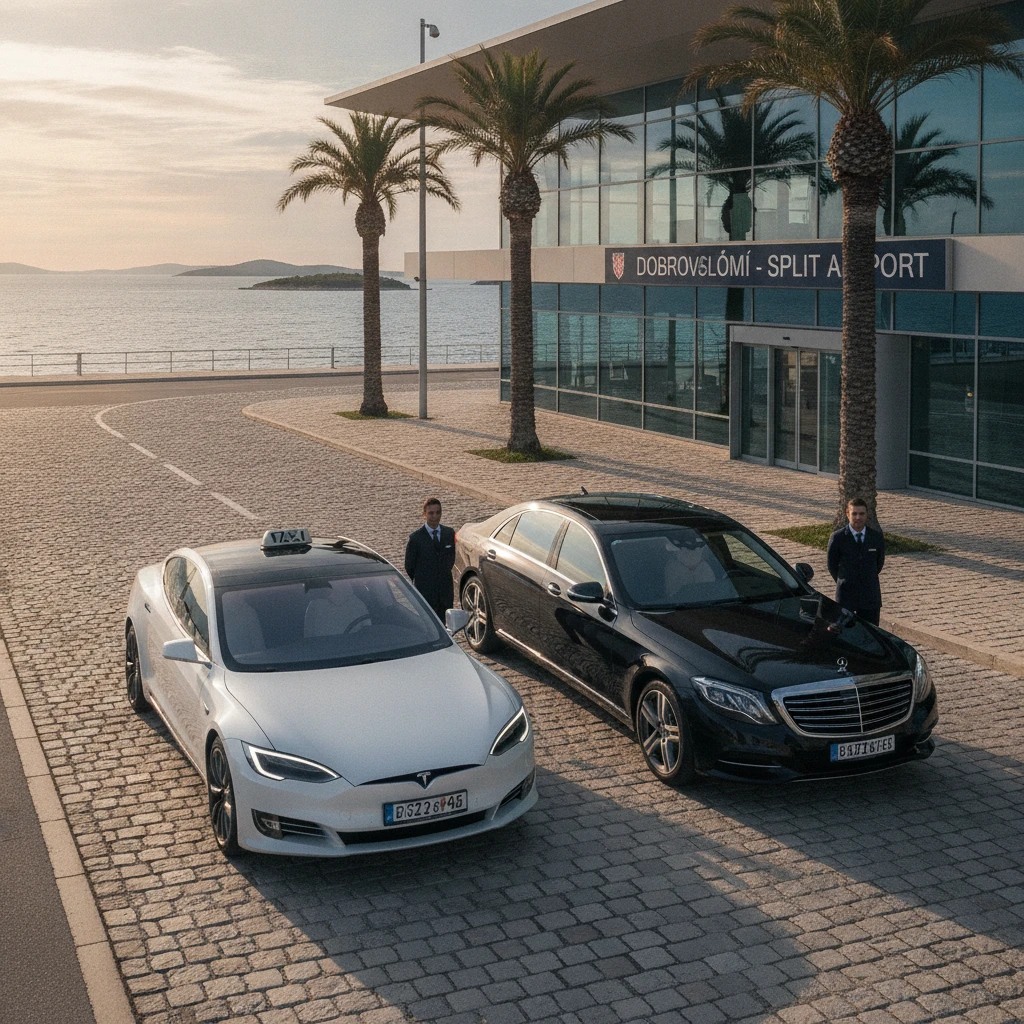
As Croatia embraces the Euro, the transportation landscape has seen significant changes. The adoption of the Euro in 2023 has led to a recalibration of prices across various sectors, including taxis and ride-sharing services like Uber. Inflation has also played a role, with transportation costs rising moderately. In 2026, visitors can expect to pay around 3 € to 5 € for a taxi's base fare, while Uber fares start at approximately 2.50 € to 4 €.
- Informative estimated average prices in Euros (€)
- Transparent low vs. high peak season price breakdown below
Comprehensive Price Breakdown & Comparison Table 2026
| Service | Low Season Price (€) | High Season Price (€) |
|---|---|---|
| Taxi fare (base rate) | 3 € | 5 € |
| Uber fare (base rate) | 2.50 € | 4 € |
| Airport transfer (Dubrovnik to city center) | 30 € | 50 € |
| Taxi fare (per km) | 0.80 € | 1.20 € |
| Uber fare (per km) | 0.60 € | 1 € |
| Private transfer (Split to Hvar) | 100 € | 150 € |
| Shared shuttle (Dubrovnik Airport) | 15 € | 25 € |
| Taxi fare (night surcharge) | 1 € | 2 € |
| Uber fare (surge pricing) | 1.5x | 2x |
| Local bus fare | 1.50 € | 3 € |
Regional Price Variations (Islands vs Coastal vs Inland)
Prices for transportation can vary significantly across different regions of Croatia. Coastal cities like Dubrovnik and Split tend to have higher taxi and Uber fares due to their popularity among tourists. For instance, a taxi from Dubrovnik Airport to the city center can cost between 30 € and 50 €, while the same trip in Split may range from 25 € to 40 €.
On the islands, such as Hvar and Korčula, private transfers can be more expensive due to limited transport options, often costing between 100 € and 150 € for a trip from Split to Hvar. In contrast, inland areas may offer lower rates, with taxi fares averaging around 3 € to 4 € for a base fare.
Insider Money-Saving Tips & Tourist Traps to Avoid
- Local Lunch Specials: Look for 'Marenda' deals in local eateries, offering affordable meals for around 5 € to 10 €.
- Grocery Shopping Hacks: Purchase snacks and drinks from supermarkets instead of tourist shops to save money.
- Dynamic Currency Conversion: Avoid using dynamic currency conversion at ATMs; choose to pay in local currency to avoid extra fees.
- Tipping Etiquette: Tipping is appreciated but not obligatory; rounding up the fare or leaving a small tip is common.
- Beware of Tourist Traps: Some taxi drivers may overcharge tourists; always confirm the fare before starting your ride.
Payment Rules, Card Acceptance & Fiscal Receipts
In Croatia, cash is still widely accepted, but card payments are increasingly common, especially in urban areas and tourist hotspots. Most taxis and Uber accept credit and debit cards, but it’s advisable to carry some cash for smaller vendors and rural areas.
According to Croatian fiscal law ('Fiskalni račun'), businesses must provide a fiscal receipt for transactions. Always ask for a receipt, as it can be useful for expense tracking and potential refunds.