Current Situation & Pricing Overview 2026 in Croatia
As Croatia continues to embrace the Euro, street food pricing has seen a notable shift. Following the Euro adoption, inflation has influenced the cost of living, including food prices. Tourists can expect to pay slightly more than in previous years, but the affordability of local delicacies remains a highlight of the Croatian culinary experience. Street food, particularly in coastal areas, offers a budget-friendly option for visitors looking to savor authentic flavors without breaking the bank.
- Informative estimated average prices in Euros (€)
- Transparent low vs. high peak season price breakdown below
Comprehensive Price Breakdown & Comparison Table 2026
| Item | Low Season Price (€) | High Season Price (€) | Notes |
|---|---|---|---|
| Burek (meat or cheese) | 2 | 4 | Popular snack, varies by location |
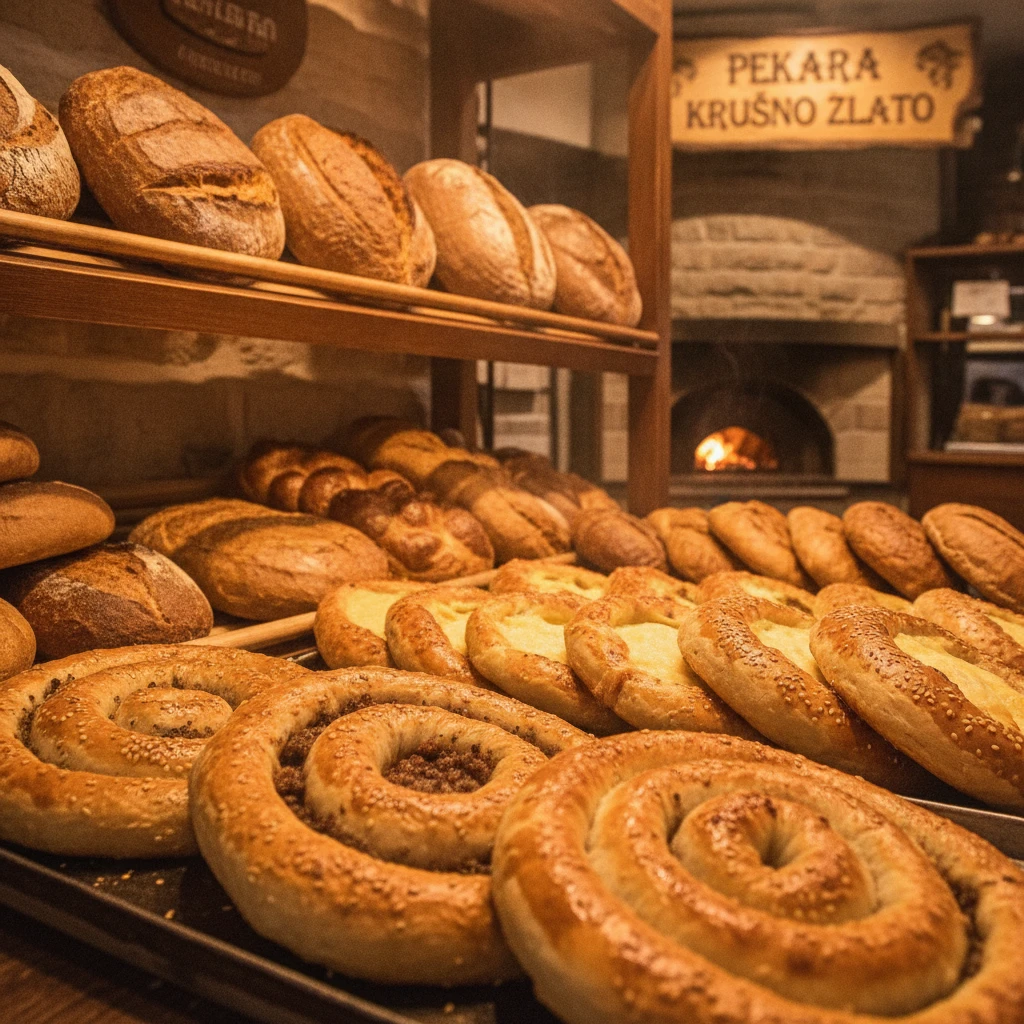
| Croatian Pastries (Kroštule, Fritule) | 1 | 3 | Sweet treats, often found at markets |
| Sarma (cabbage rolls) | 3 | 6 | Traditional dish, hearty and filling |
| Grilled Fish (local catch) | 10 | 20 | Prices depend on the type of fish |
| Peka (slow-cooked meat and vegetables) | 15 | 30 | Best enjoyed in local konobas |
| Local Wine (glass) | 2 | 5 | Quality varies by region |
| Coffee (espresso) | 1 | 2 | Commonly enjoyed throughout the day |
| Ice Cream (local flavors) | 1 | 3 | Perfect for hot summer days |
Regional Price Variations (Islands vs Coastal vs Inland)
Prices for street food can vary significantly across different regions of Croatia. Coastal areas, especially popular tourist destinations like Dubrovnik and Split, tend to have higher prices due to demand. In contrast, smaller towns and inland areas often offer more affordable options. Islands such as Hvar and Korčula may also have inflated prices, particularly during the peak summer season. Here’s a quick overview:
- Coastal Areas: Higher prices, especially in tourist hotspots.
- Islands: Prices can be similar to coastal areas but may vary based on accessibility and local demand.
- Inland Areas: Generally more affordable, with authentic local cuisine at lower prices.
Insider Money-Saving Tips & Tourist Traps to Avoid
To make the most of your culinary experience in Croatia without overspending, consider the following tips:
- Look for 'Marenda': Many local eateries offer lunch specials that are both delicious and affordable.
- Avoid Tourist Traps: Restaurants near major attractions often charge more for similar food. Venture a few streets away for better prices.
- Grocery Shopping: Buying snacks and drinks from local grocery stores can save you money.
- ATM Fees: Be cautious of dynamic currency conversion at ATMs; always choose to be charged in the local currency.
- Tipping Etiquette: While not mandatory, rounding up the bill or leaving small change is appreciated.
Payment Rules, Card Acceptance & Fiscal Receipts
In Croatia, it is essential to understand the local payment practices. While credit and debit cards are widely accepted in urban areas and tourist destinations, smaller vendors may prefer cash. According to Croatian fiscal law ('Fiskalni račun'), businesses are required to issue a fiscal receipt for every transaction. Always ask for a receipt, as it serves as proof of purchase and is necessary for any potential disputes. This practice also helps combat tax evasion and ensures fair pricing for consumers.