Current Situation & Pricing Overview 2026 in Croatia
As Croatia continues to embrace the Euro, the landscape of tipping and pricing has evolved significantly. In 2026, visitors can expect a blend of traditional hospitality and modern pricing structures. The adoption of the Euro has led to some inflation, but overall, prices remain reasonable compared to Western Europe. Tourists should be prepared for a range of costs, especially in coastal areas popular with visitors.
- Informative estimated average prices in Euros (€)
- Transparent low vs. high peak season price breakdown below
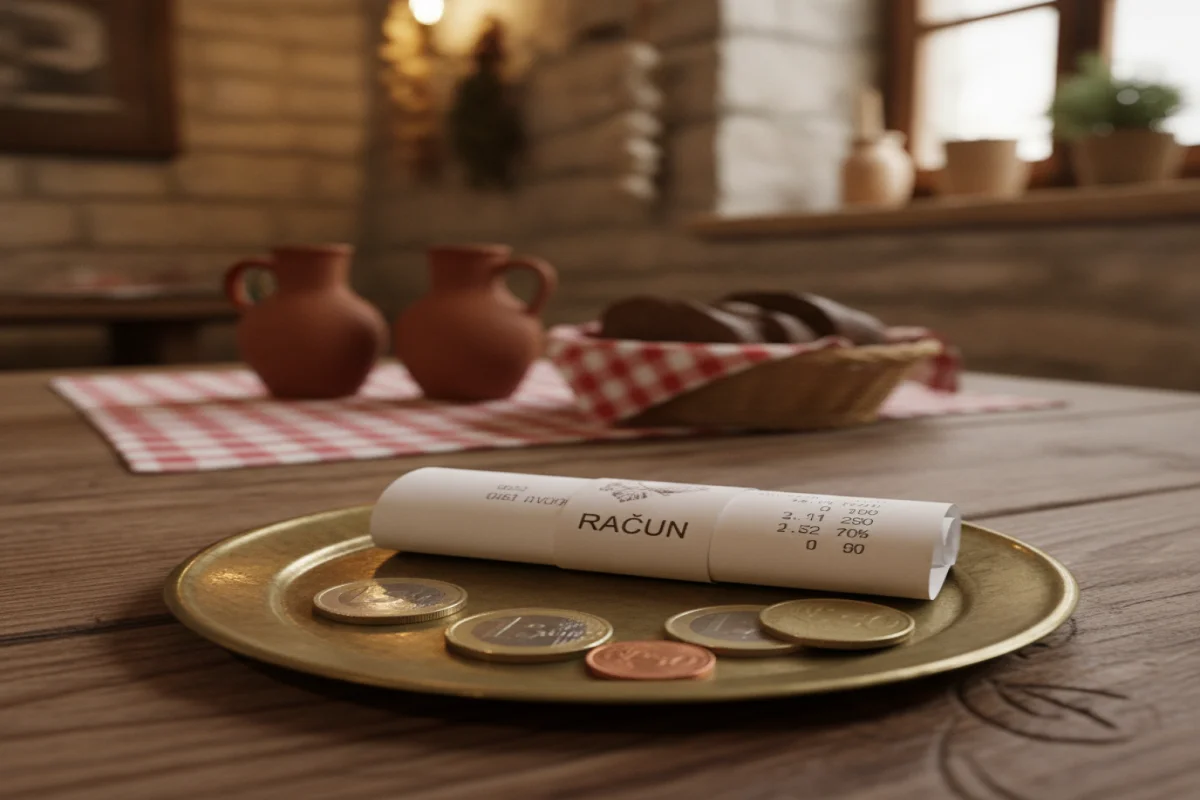
Comprehensive Price Breakdown & Comparison Table 2026
| Service | Low Season (€) | High Season (€) | Budget Range (€) | Luxury Range (€) |
|---|---|---|---|---|
| Coffee at a café | 1.50 | 3.50 | 1.50 - 2.50 | 3.00 - 3.50 |
| Dinner at a mid-range restaurant | 15 | 30 | 15 - 20 | 25 - 30 |
| Taxi ride (within city limits) | 5 | 15 | 5 - 10 | 10 - 15 |
| Guided tour | 20 | 100 | 20 - 50 | 75 - 100 |
| Beach chair rental | 5 | 15 | 5 - 10 | 10 - 15 |
| Souvenir shopping | 5 | 50 | 5 - 20 | 30 - 50 |
Regional Price Variations (Islands vs Coastal vs Inland)
Prices in Croatia can vary significantly based on location. Coastal areas, especially tourist hotspots like Dubrovnik and Hvar, tend to be more expensive than inland regions. For instance, a meal in Dubrovnik might cost around 30% more than in a smaller town like Slavonski Brod. Islands such as Korčula may also have higher prices due to transportation costs. Here’s a quick breakdown:
- Dubrovnik: Higher-end dining and accommodation, with meals averaging around 25-40 €.
- Split: Mid-range pricing, with meals around 15-30 €.
- Hvar: Premium prices during peak season, especially for nightlife and dining.
- Inland Areas: More affordable options, with meals often under 15 €.
Insider Money-Saving Tips & Tourist Traps to Avoid
To make the most of your budget while enjoying Croatia, consider the following tips:
- Local Lunch Specials: Look for 'Marenda' specials in local eateries, offering substantial meals at lower prices.
- Grocery Shopping: Purchase snacks and drinks from supermarkets to save on costs, especially in tourist areas.
- Avoid Dynamic Currency Conversion: Always choose to pay in Euros to avoid unfavorable exchange rates at ATMs and card terminals.
- Research Tipping Etiquette: Familiarize yourself with local customs to avoid over-tipping or under-tipping.
Payment Rules, Card Acceptance & Fiscal Receipts
In Croatia, cash is still widely used, but card payments are increasingly accepted, especially in urban areas and tourist spots. It’s essential to ask for a fiscal receipt ('Fiskalni račun') when making purchases, as this is a legal requirement for businesses. This receipt is crucial for any potential disputes or refunds. Here are some key points to remember:
- Most restaurants and shops accept major credit cards.
- Smaller establishments may only accept cash, so always have some Euros on hand.
- Request a receipt for all transactions to ensure proper record-keeping.