Current Situation & Pricing Overview 2026 in Croatia
As Croatia continues to embrace the Euro, visitors in 2026 will find a dynamic pricing landscape shaped by recent economic changes. The transition to the Euro has led to noticeable price increases across various sectors, particularly in tourist-heavy areas. Travelers should anticipate a moderate inflation rate, impacting everything from dining to transportation. Understanding these shifts is crucial for effective budgeting during your stay.
- Informative estimated average prices in Euros (€)
- Transparent low vs. high peak season price breakdown below
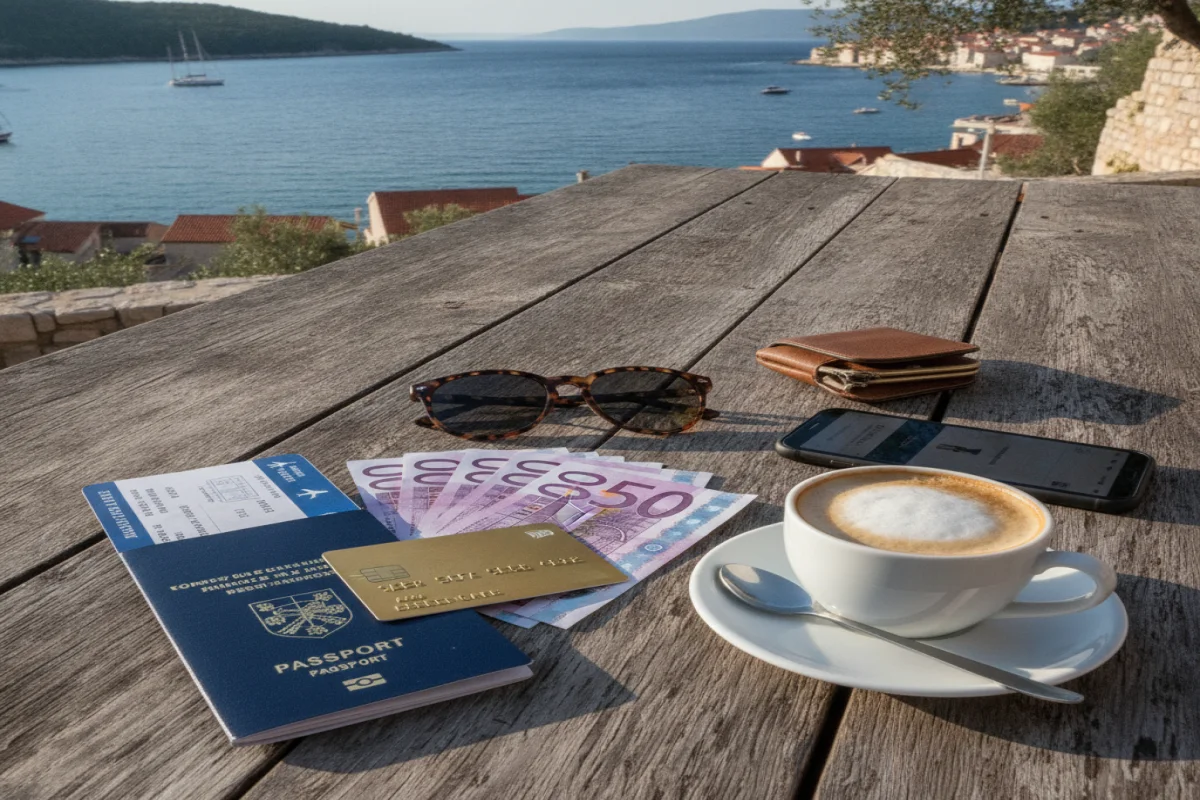
Comprehensive Price Breakdown & Comparison Table 2026
| Item/Service | Low Season (€) | High Season (€) | Budget (€) | Luxury (€) |
|---|---|---|---|---|
| Meal at a mid-range restaurant | 15 | 30 | 20 | 40 |
| Coffee at a café | 2 | 4 | 2.5 | 5 |
| Local beer | 3 | 6 | 4 | 7 |
| Taxi fare (within city) | 5 | 15 | 7 | 20 |
| Day pass for public transport | 3 | 5 | 4 | 6 |
| Guided tour (half-day) | 30 | 70 | 40 | 100 |
| Beach chair rental | 5 | 15 | 10 | 20 |
| Souvenir shopping | 5 | 50 | 10 | 100 |
Regional Price Variations (Islands vs Coastal vs Inland)
Price variations are significant across different regions in Croatia. Coastal cities like Dubrovnik and Split tend to have higher prices due to their popularity among tourists. In contrast, inland areas may offer more affordable options. Islands such as Hvar and Korčula also exhibit higher prices, especially during peak season, while smaller islands may be more budget-friendly.
Insider Money-Saving Tips & Tourist Traps to Avoid
- Marenda Specials: Look for local lunch specials known as 'Marenda' for affordable meals.
- Grocery Shopping: Purchase snacks and drinks from local supermarkets instead of tourist shops to save money.
- ATM Usage: Avoid dynamic currency conversion at ATMs; choose to withdraw in Euros for better rates.
- Tipping Etiquette: Tipping is appreciated but not mandatory; rounding up is often sufficient.
- Dining Off-Peak: Eating out during off-peak hours can lead to better deals and quieter experiences.
Payment Rules, Card Acceptance & Fiscal Receipts
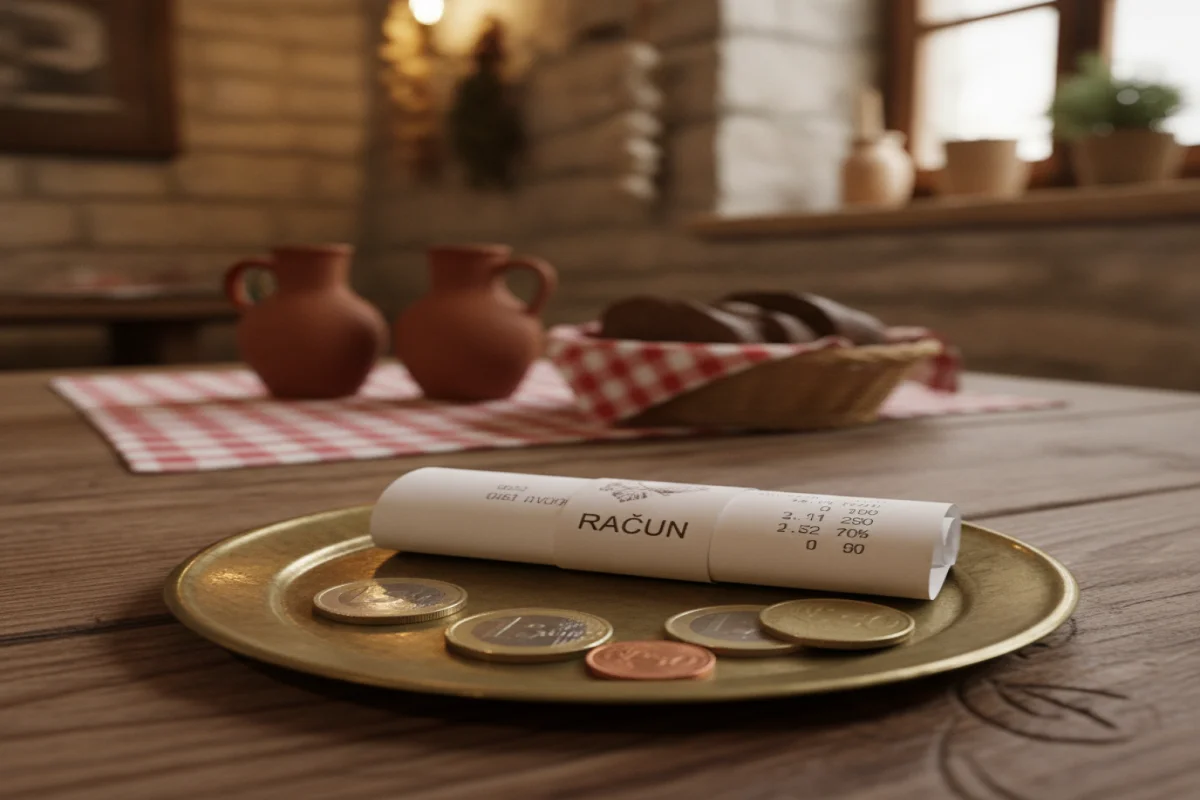
In Croatia, most establishments accept credit and debit cards, especially in urban and tourist areas. However, it is wise to carry cash for smaller purchases. According to Croatian fiscal law, always ask for a 'Fiskalni račun' (fiscal receipt) to ensure your transaction is recorded. This is particularly important for larger purchases and can help with warranty claims or disputes.