Current Situation & Pricing Overview 2026 in Croatia
As Croatia continues to adapt to the Euro, the tipping culture has also evolved. In 2026, visitors can expect to see prices reflecting the new currency, with a slight increase due to inflation. Restaurants, cafes, and services have adjusted their pricing, making it essential for tourists to understand the local tipping etiquette to ensure a pleasant experience.
- Informative estimated average prices in Euros (€)
- Transparent low vs. high peak season price breakdown below
Comprehensive Price Breakdown & Comparison Table 2026
| Service | Low Season (€) | High Season (€) | Budget Range (€) | Luxury Range (€) |
|---|---|---|---|---|
| Restaurant Meal | 15 | 30 | 15 - 25 | 25 - 50 |
| Taxi Fare | 10 | 20 | 10 - 15 | 15 - 25 |
| Hotel Cleaning Service | 1 | 5 | 1 - 3 | 3 - 5 |
| Guided Tour | 30 | 100 | 30 - 50 | 50 - 100 |
| Coffee at Café | 2 | 5 | 2 - 3 | 3 - 5 |
| Beach Lounger Rental | 5 | 15 | 5 - 10 | 10 - 15 |
Regional Price Variations (Islands vs Coastal vs Inland)
Prices can vary significantly across Croatia's regions. Coastal areas and popular islands like Hvar and Korčula tend to be more expensive due to their tourist appeal. In contrast, inland areas may offer lower prices, especially in smaller towns. For example:
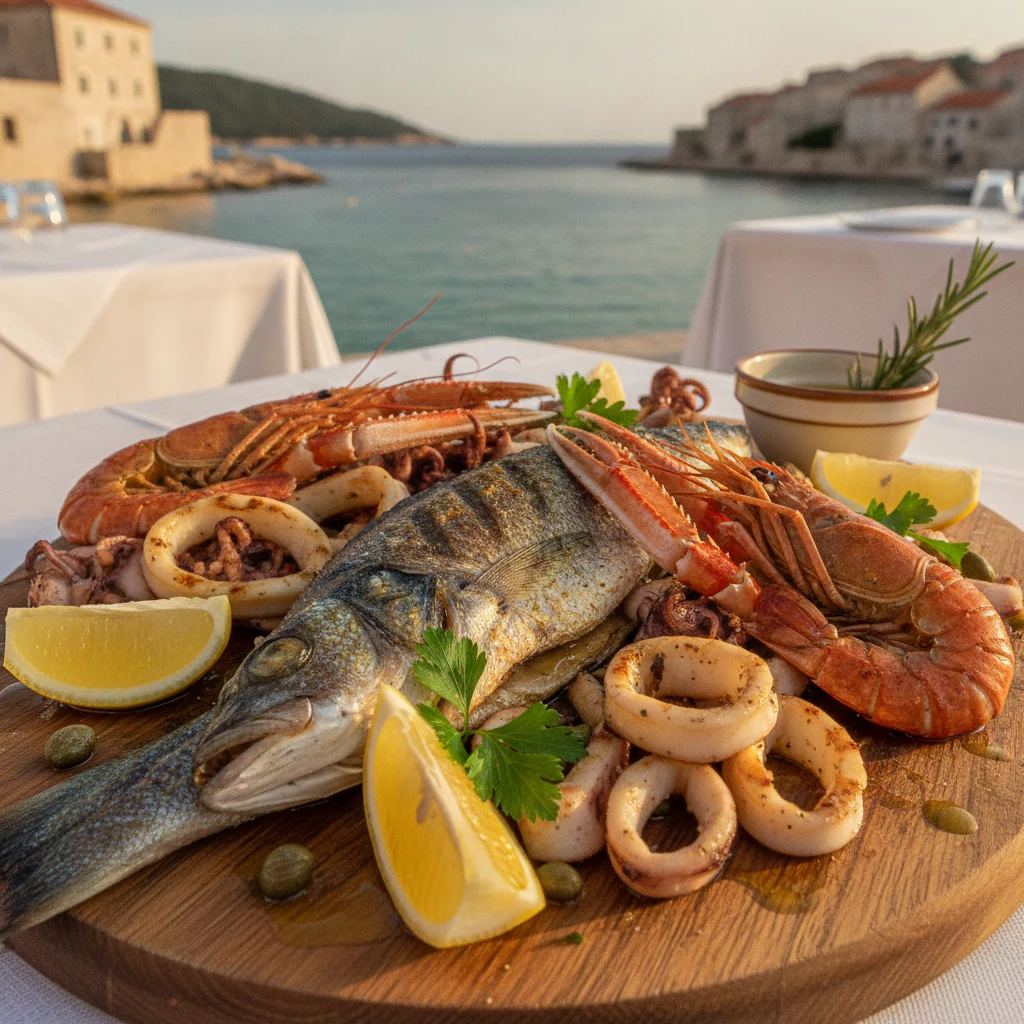
- Dubrovnik: High-end dining can reach up to 50 € per meal.
- Split: Mid-range meals typically cost around 20-30 €.
- Rovinj: Expect to pay 15-25 € for a decent meal.
- Hvar: Prices can soar during peak season, with meals averaging 30-50 €.
- Inland towns: Meals can be found for as low as 10-15 €.
Insider Money-Saving Tips & Tourist Traps to Avoid
To make the most of your budget while traveling in Croatia, consider these tips:
- Local Lunch Specials: Look for 'Marenda' – a traditional lunch special that offers great value.
- Grocery Shopping: Purchase snacks and drinks from local markets instead of tourist shops.
- ATM Fees: Be cautious of dynamic currency conversion at ATMs; always choose to be charged in Euros.
- Tip Wisely: In restaurants, a 10% tip is appreciated but not obligatory; round up the bill instead.
Payment Rules, Card Acceptance & Fiscal Receipts
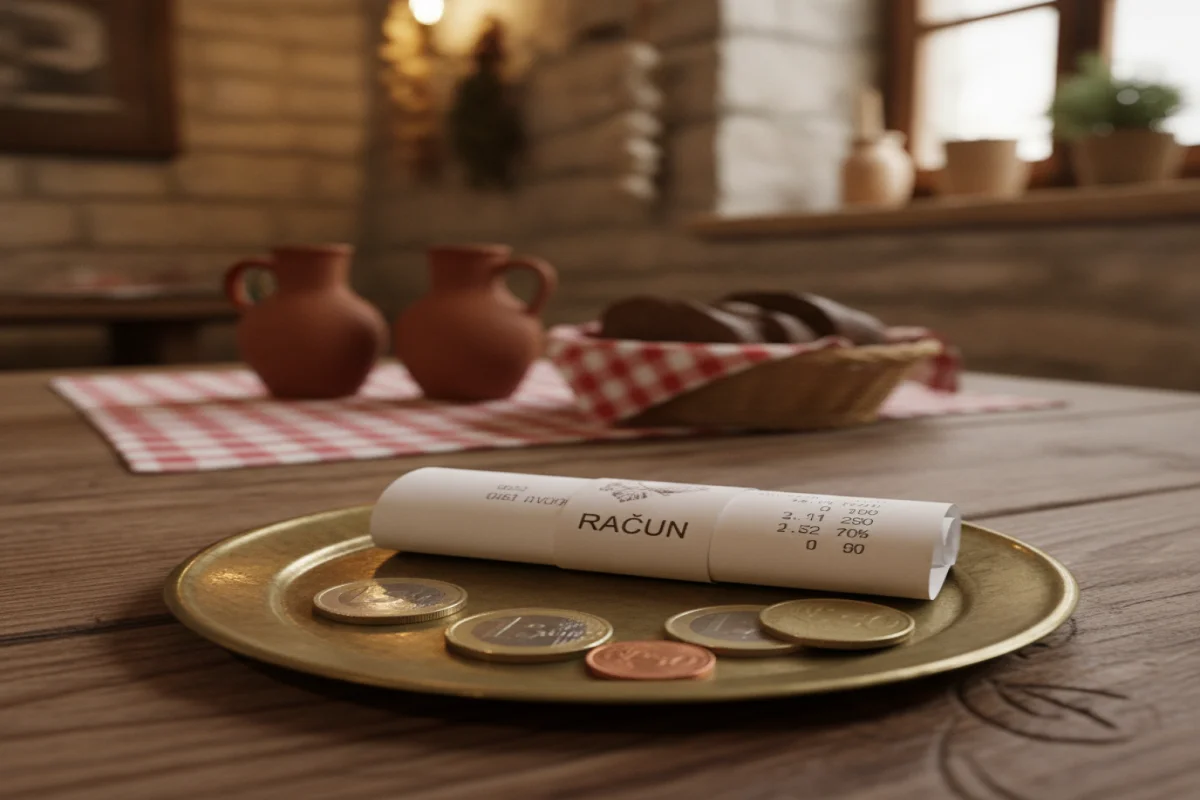
In Croatia, cash is still widely accepted, but card payments are becoming increasingly common. Most restaurants and shops accept major credit cards, but it's wise to carry some cash for smaller establishments or markets. According to Croatian fiscal law ('Fiskalni račun'), businesses must provide a receipt for every transaction. Always ask for a receipt, as it can be crucial for any disputes or refunds.