Current Situation & Pricing Overview 2026 in Croatia
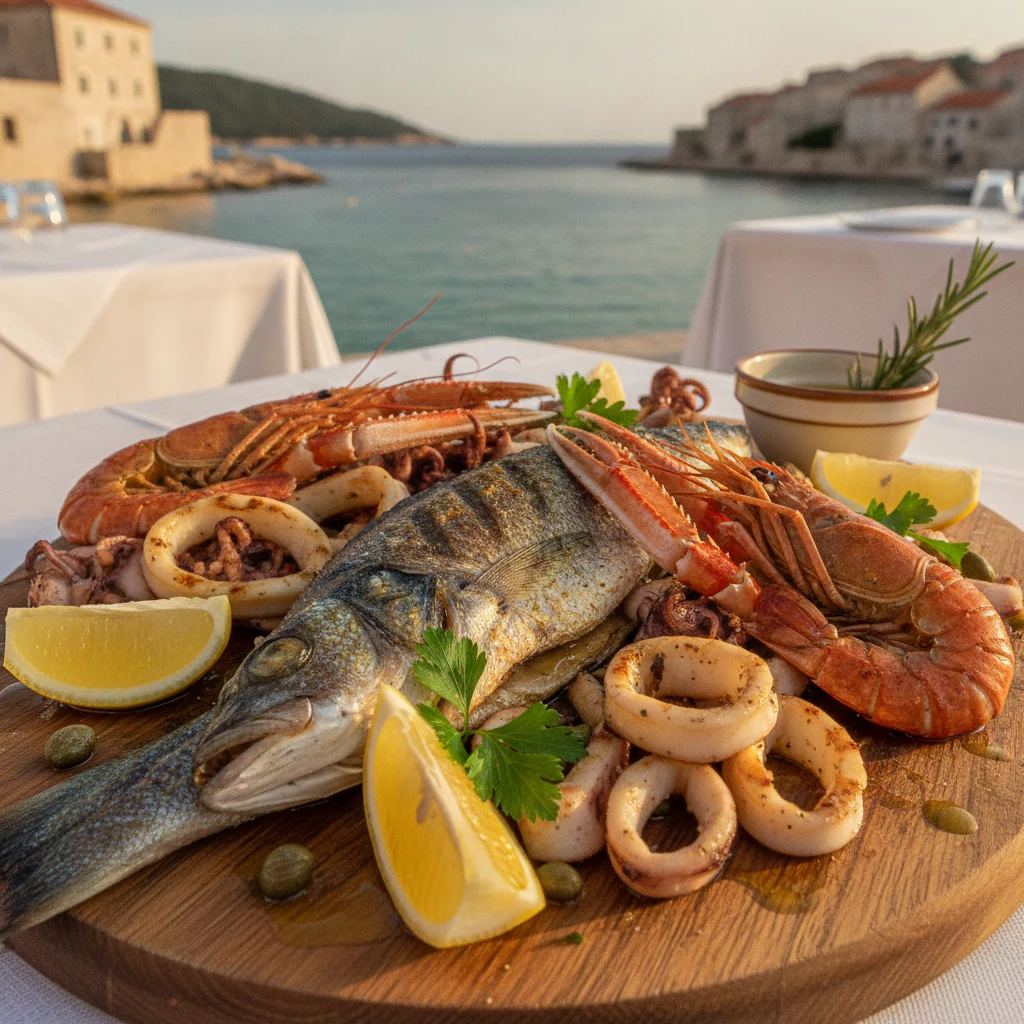
As of 2026, Croatia has fully embraced the Euro, leading to noticeable changes in seafood pricing due to inflation and market adjustments. Coastal regions, renowned for their seafood, have seen a rise in prices, particularly in tourist-heavy areas. Visitors can expect to pay more during the high season (June to August) when demand peaks, while low-season prices (September to May) offer more budget-friendly options. Overall, seafood remains a staple of Croatian cuisine, with fresh offerings available at various price points.
- Informative estimated average prices in Euros (€)
- Transparent low vs. high peak season price breakdown below
Comprehensive Price Breakdown & Comparison Table 2026
| Seafood Item | Low Season Price (€) | High Season Price (€) |
|---|---|---|
| Grilled Fish (e.g., Sea Bass) | 15 € | 30 € |
| Seafood Risotto | 12 € | 25 € |
| Octopus Salad | 10 € | 20 € |
| Fried Calamari | 8 € | 18 € |
| Fresh Oysters | 1.50 € | 3 € |
| Fish Market Prices (per kg) | 10 € | 25 € |
Regional Price Variations (Islands vs Coastal vs Inland)
Prices for seafood can vary significantly across different regions of Croatia. Popular islands like Hvar and Korčula often have higher prices due to their tourist appeal and limited supply. In contrast, coastal towns such as Split and Rijeka offer a balance of quality and affordability, especially if you visit local markets. Inland areas, while not known for seafood, may have lower prices for fish brought in from the coast, but selection will be limited.
Insider Money-Saving Tips & Tourist Traps to Avoid
- Lunch Specials: Look for 'Marenda' deals, which are local lunch specials often available at restaurants for a fraction of the dinner price.
- Grocery Shopping: Purchase fresh seafood at local markets rather than restaurants to save money. Markets in coastal towns often have the best prices.
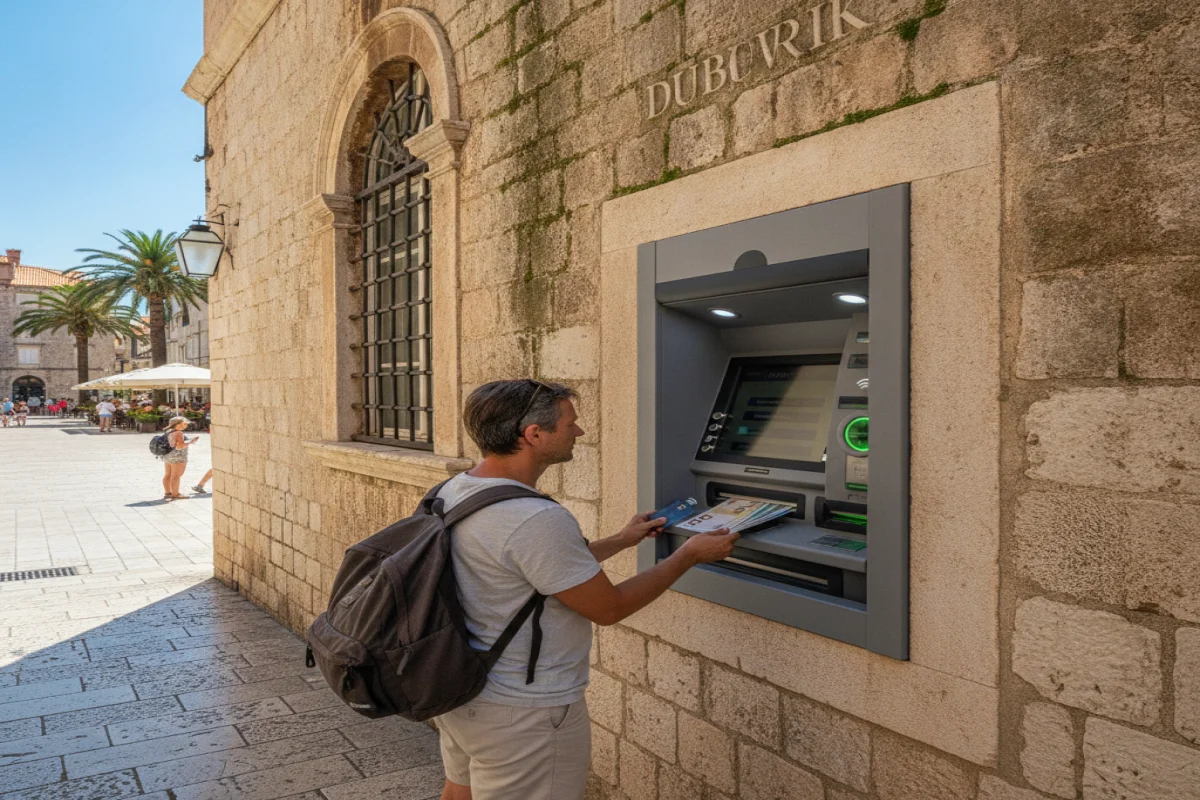
- Avoid Dynamic Currency Conversion: When using ATMs or paying by card, opt for transactions in Euros to avoid unfavorable exchange rates.
- Tipping Etiquette: Tipping is appreciated but not mandatory. A small tip (5-10%) is customary for good service.
Payment Rules, Card Acceptance & Fiscal Receipts
In Croatia, it is essential to understand the fiscal law ('Fiskalni račun'), which mandates that businesses issue receipts for all transactions. This is important for both consumer protection and tax purposes. While most restaurants and shops accept credit and debit cards, having cash on hand is advisable, especially in smaller towns or markets. Always ask for a receipt when making a purchase, as it can be useful for returns or disputes.