Current Situation & Pricing Overview 2026 in Croatia
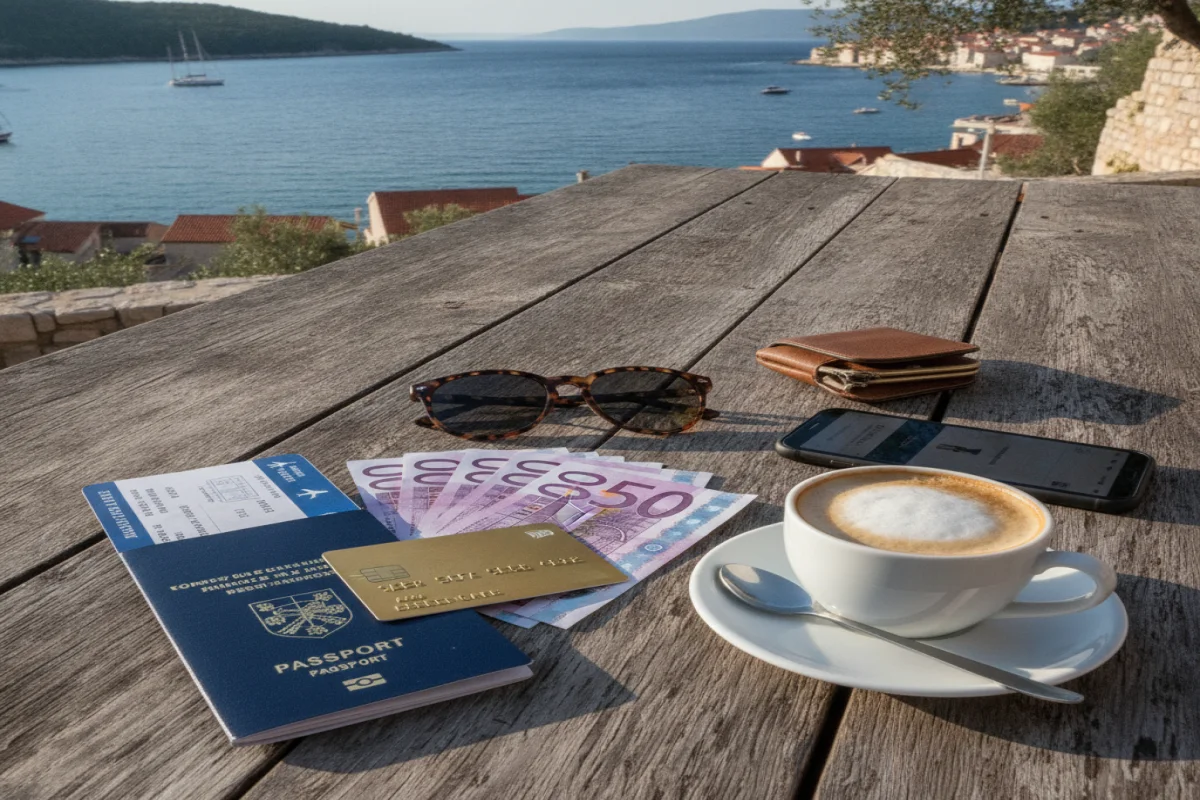
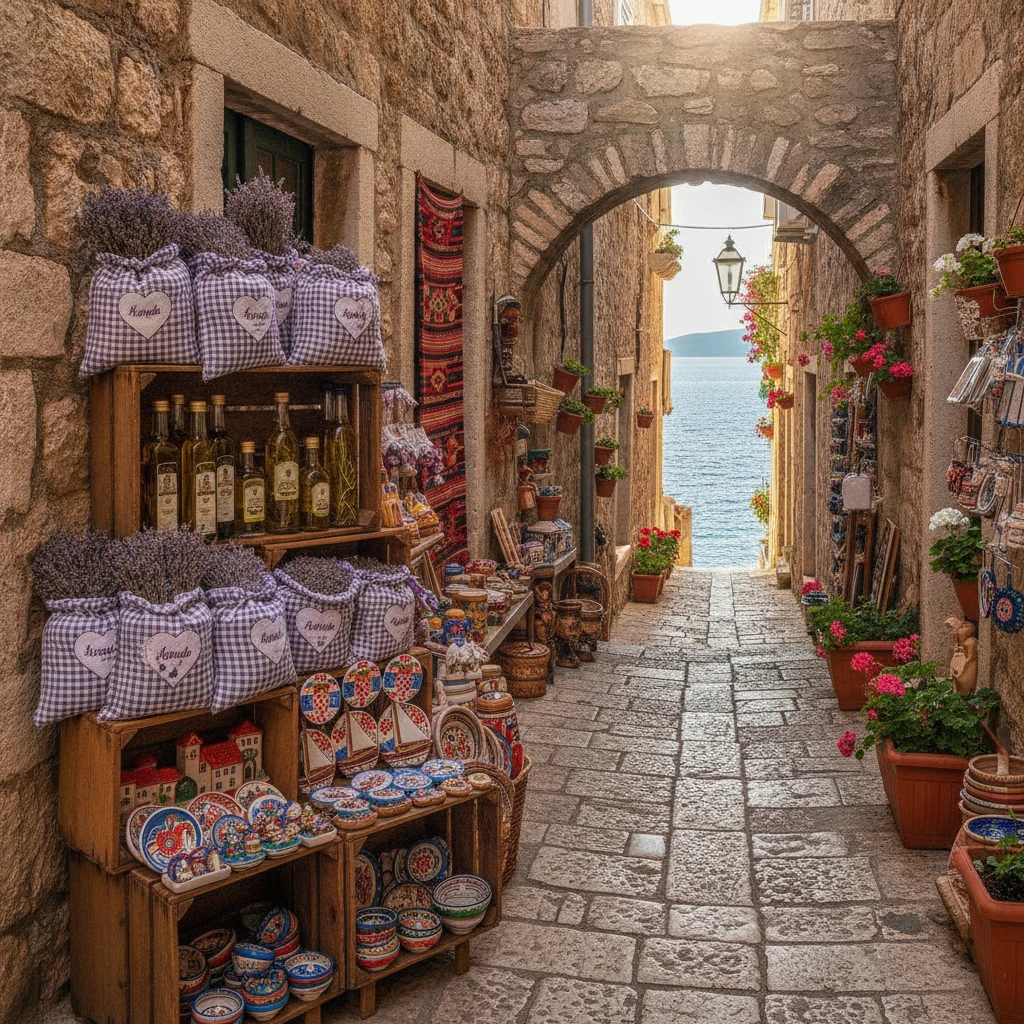
As Croatia continues to embrace its new Euro currency, the landscape of souvenir shopping has evolved significantly. Prices have seen a moderate increase due to inflation and the transition to the Euro, but the charm and quality of local gifts remain intact. Visitors can expect to pay a bit more than in previous years, but the variety and authenticity of Croatian souvenirs make them worthwhile investments.
In 2026, tourists should anticipate a range of prices depending on the type of souvenir and location. Coastal areas, particularly popular tourist destinations, may have higher prices compared to inland regions. However, the experience of purchasing unique, locally made gifts is an integral part of the Croatian travel experience.
- Informative estimated average prices in Euros (€)
- Transparent low vs. high peak season price breakdown below
Comprehensive Price Breakdown & Comparison Table 2026
| Item | Low Season Price (€) | High Season Price (€) |
|---|---|---|
| Traditional Croatian Licitar Heart | 5 | 15 |
| Olive Oil (Local Varieties) | 10 | 30 |
| Croatian Wine (Local Varieties) | 8 | 50 |
| Handmade Pottery | 15 | 100 |
| Lavender Products | 3 | 20 |
| Maraschino Liqueur | 10 | 25 |
| Sea Salt (Local Varieties) | 3 | 10 |
| Croatian Honey | 5 | 15 |
| T-shirts with Croatian Motifs | 10 | 30 |
| Local Crafts (Jewelry, Textiles) | 20 | 150 |
Regional Price Variations (Islands vs Coastal vs Inland)
Prices for souvenirs can vary significantly across different regions of Croatia. Coastal areas, especially popular islands like Hvar and Korčula, tend to have higher prices due to their tourist-centric economies. In contrast, inland regions may offer more affordable options, particularly in local markets.
- Hvar Island: Known for its lavender products and wines, prices can be on the higher end, especially in tourist shops.
- Dubrovnik: A hotspot for tourists, souvenirs here can be pricier, particularly in the Old Town.
- Split: Offers a mix of affordable and luxury items, with many local artisans selling handmade crafts.
- Rovinj: A charming coastal town with a variety of local gifts at reasonable prices.
- Inland Areas: Generally more affordable, with unique items that reflect local culture and traditions.
Insider Money-Saving Tips & Tourist Traps to Avoid
To make the most of your souvenir shopping experience in Croatia, consider these insider tips:
- Look for 'Marenda' Specials: Many local eateries offer lunch specials that are both delicious and budget-friendly.
- Shop at Local Markets: Avoid tourist traps by visiting local markets where you can find authentic products at lower prices.
- Avoid Dynamic Currency Conversion: When using ATMs or credit cards, opt to pay in Euros to avoid unfavorable exchange rates.
- Ask for Fiscal Receipts: Always request a 'Fiskalni račun' for your purchases, as this is required by Croatian law and can be useful for warranty claims.
- Tip Wisely: While tipping is appreciated, it’s not obligatory. A small amount or rounding up is usually sufficient.
Payment Rules, Card Acceptance & Fiscal Receipts
In Croatia, both cash and card payments are widely accepted, but it's advisable to carry some cash, especially in smaller towns or local markets. Most establishments accept major credit cards, but be aware that some smaller vendors may only accept cash.
According to Croatian fiscal law, businesses are required to issue a fiscal receipt ('Fiskalni račun') for every transaction. This receipt is not only a proof of purchase but also necessary for any warranty claims or returns. Always ensure you receive one when making a purchase.