Current Situation & Pricing Overview 2026 in Croatia
As Croatia embraces the Euro, the prices at beach bars and lounge clubs have seen a notable shift. The adoption of the Euro in 2023 has led to a more standardized pricing structure across the country, yet inflation has also played a role in increasing costs. Visitors in 2026 can expect to pay slightly more than in previous years, particularly during the high season (June to August) when demand surges. The vibrant coastal scene offers a range of options, from budget-friendly beach shacks to upscale lounge bars, catering to a variety of tastes and budgets.
- Informative estimated average prices in Euros (€)
- Transparent low vs. high peak season price breakdown below
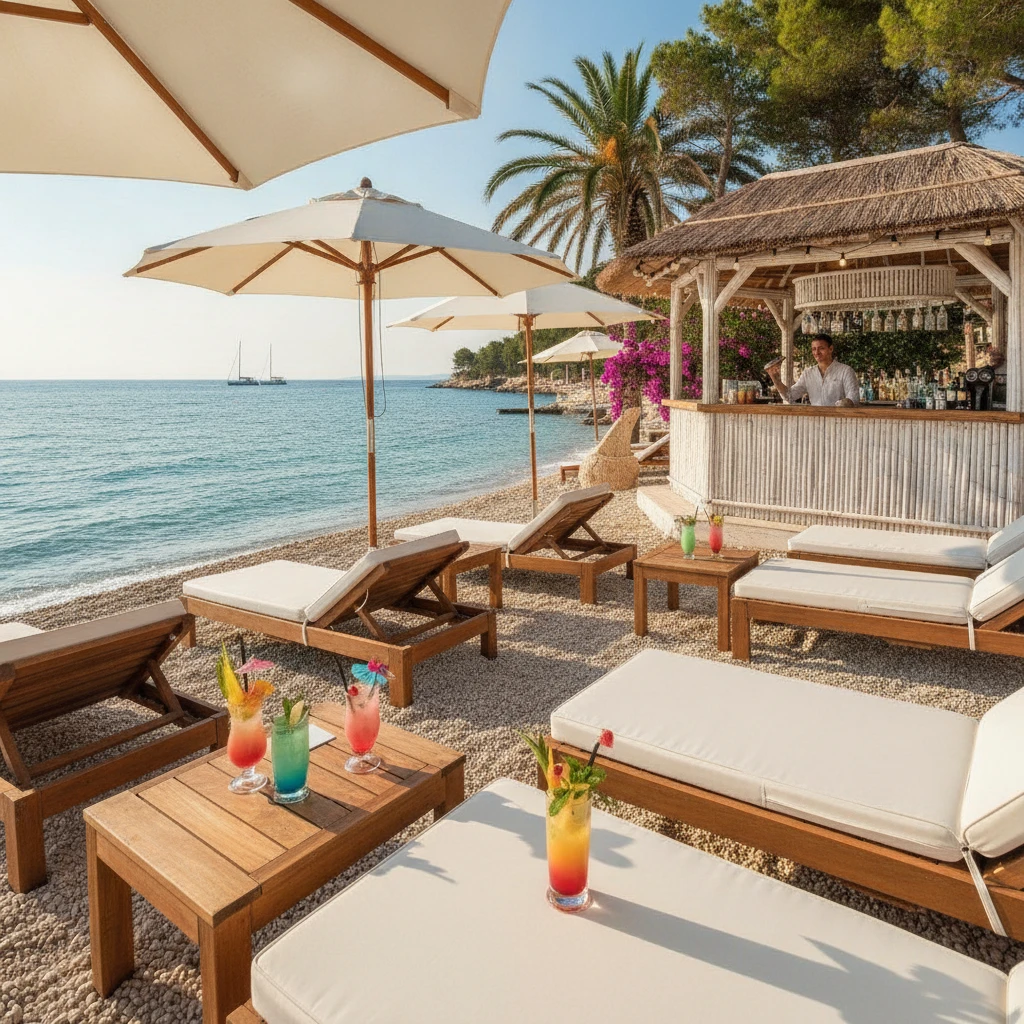
Comprehensive Price Breakdown & Comparison Table 2026
| Item/Service | Low Season Price (€) | High Season Price (€) |
|---|---|---|
| Cocktail | 8 € | 15 € |
| Local Beer | 3 € | 6 € |
| Glass of Wine | 4 € | 10 € |
| Snack (fries, nachos) | 5 € | 10 € |
| Sunbed Rental | 10 € | 20 € |
| Beach Umbrella Rental | 5 € | 15 € |
| Full Meal (Main Course) | 12 € | 30 € |
| Shisha | 15 € | 25 € |
Regional Price Variations (Islands vs Coastal vs Inland)
Prices can vary significantly depending on the location. Popular islands like Hvar and Korčula tend to have higher prices due to their tourist appeal, especially during the summer months. In contrast, coastal towns such as Split and Dubrovnik offer a mix of high-end and budget options, while inland areas may provide more affordable dining experiences. Here’s a quick overview:
- Hvar: High prices, especially for cocktails and meals.
- Korčula: Moderate prices, with some upscale beach bars.
- Dubrovnik: High-end options with premium pricing, particularly in the Old Town.
- Split: A mix of affordable and upscale venues.
- Rovinj: Moderate pricing, popular with both locals and tourists.
Insider Money-Saving Tips & Tourist Traps to Avoid
To maximize your budget while enjoying the beach bar scene, consider the following tips:
- Look for 'Marenda': Many beach bars offer local lunch specials that are both delicious and affordable.
- Grocery Shopping: Purchase snacks and drinks from local supermarkets to save money, especially for beach days.
- Avoid Dynamic Currency Conversion: Always choose to pay in Euros to avoid unfavorable exchange rates at ATMs and card terminals.
- Tipping Etiquette: Rounding up the bill or leaving a 10% tip is customary and appreciated.
- Research Before You Go: Read reviews and ask locals for recommendations to avoid overpriced tourist traps.
Payment Rules, Card Acceptance & Fiscal Receipts
In Croatia, it is important to understand the local payment practices. Most beach bars accept major credit and debit cards, but it’s wise to carry some cash for smaller establishments. Under Croatian fiscal law, businesses are required to issue a fiscal receipt ('Fiskalni račun') for every transaction. Always ask for a receipt, as this ensures that you are not overcharged and helps maintain transparency in pricing.