Current Situation & Pricing Overview 2026 in Croatia
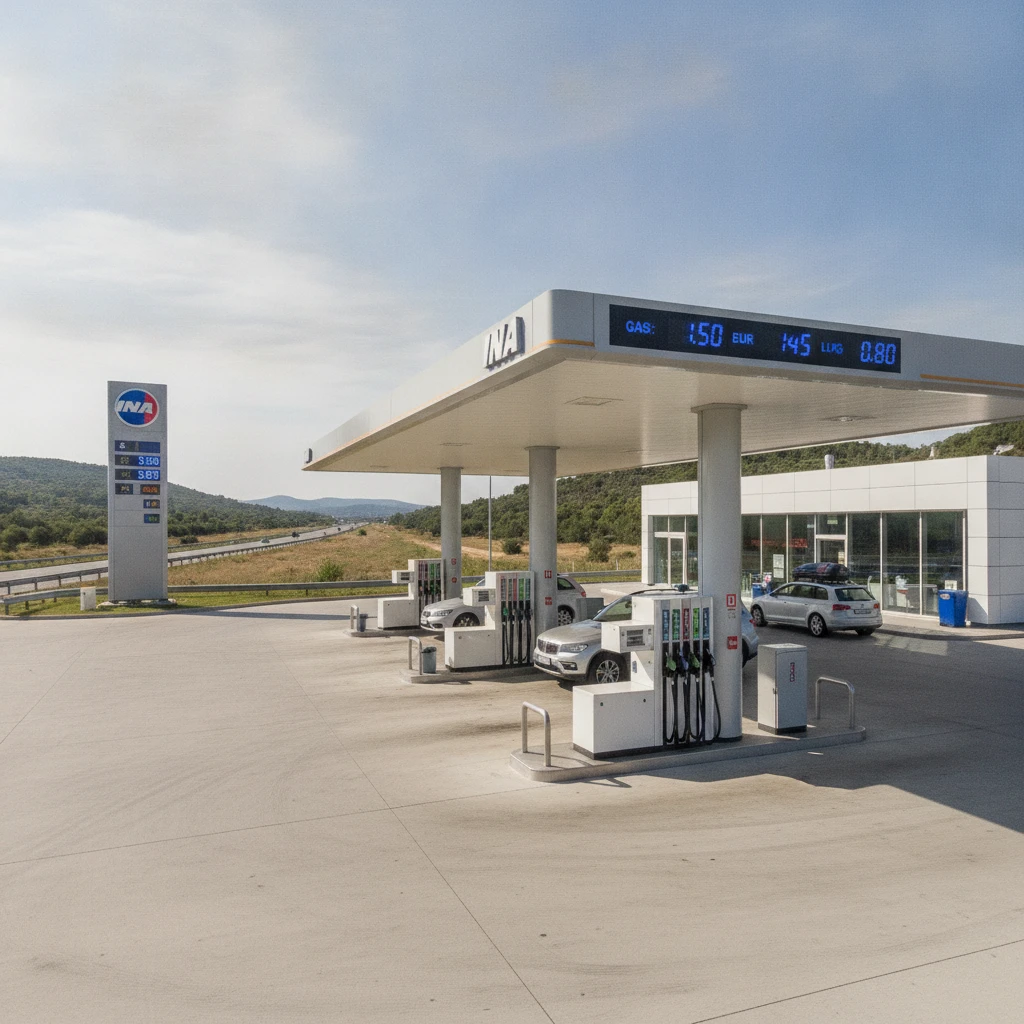
As of 2026, Croatia has fully adopted the Euro, leading to a significant shift in fuel pricing. Inflation and global market trends have influenced the cost of petrol, diesel, and electric vehicle (EV) charging. Travelers can expect to pay between 1.50 € and 1.80 € per liter for petrol, while diesel prices hover around 1.40 € to 1.70 € per liter. EV charging rates vary, with fast charging costing between 0.30 € and 0.60 € per kWh. Understanding these prices is crucial for budgeting your travel expenses, especially when exploring the beautiful coastal regions and islands.
- Informative estimated average prices in Euros (€)
- Transparent low vs. high peak season price breakdown below
Comprehensive Price Breakdown & Comparison Table 2026
| Service | Low Season | High Season |
|---|---|---|
| Petrol (95 Octane) | 1.50 € | 1.80 € |
| Diesel | 1.40 € | 1.70 € |
| EV Charging (Fast Charge) | 0.30 € | 0.60 € |
| EV Charging (Standard Charge) | 0.20 € | 0.40 € |
| Toll for Coastal Roads | 5.00 € | 15.00 € |
| Car Wash | 5.00 € | 15.00 € |
Regional Price Variations (Islands vs Coastal vs Inland)
Prices for fuel and EV charging can vary significantly across different regions in Croatia. Coastal areas and popular tourist islands like Hvar and Korčula tend to have higher prices due to increased demand. For instance, in Dubrovnik and Split, petrol prices might reach the upper end of the scale, while inland areas may offer slightly lower rates. It's advisable to refuel in less touristy areas if you're looking to save money.
Insider Money-Saving Tips & Tourist Traps to Avoid
- Local Lunch Specials: Look for 'Marenda' deals in local eateries, which offer affordable meals.
- Grocery Shopping: Purchase snacks and drinks from supermarkets rather than convenience stores to save money.
- Currency Conversion: Avoid dynamic currency conversion at ATMs; always choose to pay in Euros to avoid extra fees.
- Tipping Etiquette: Tipping is appreciated but not mandatory; rounding up the bill is common.
Payment Rules, Card Acceptance & Fiscal Receipts
In Croatia, it's essential to understand the fiscal law ('Fiskalni račun'), which mandates that businesses provide a receipt for every transaction. Always ask for a receipt, as it serves as proof of purchase and is necessary for any potential disputes. While credit and debit cards are widely accepted, especially in urban areas, some rural stations may only accept cash. It's wise to carry some cash for such situations.