Current Situation & Pricing Overview 2026 in Croatia
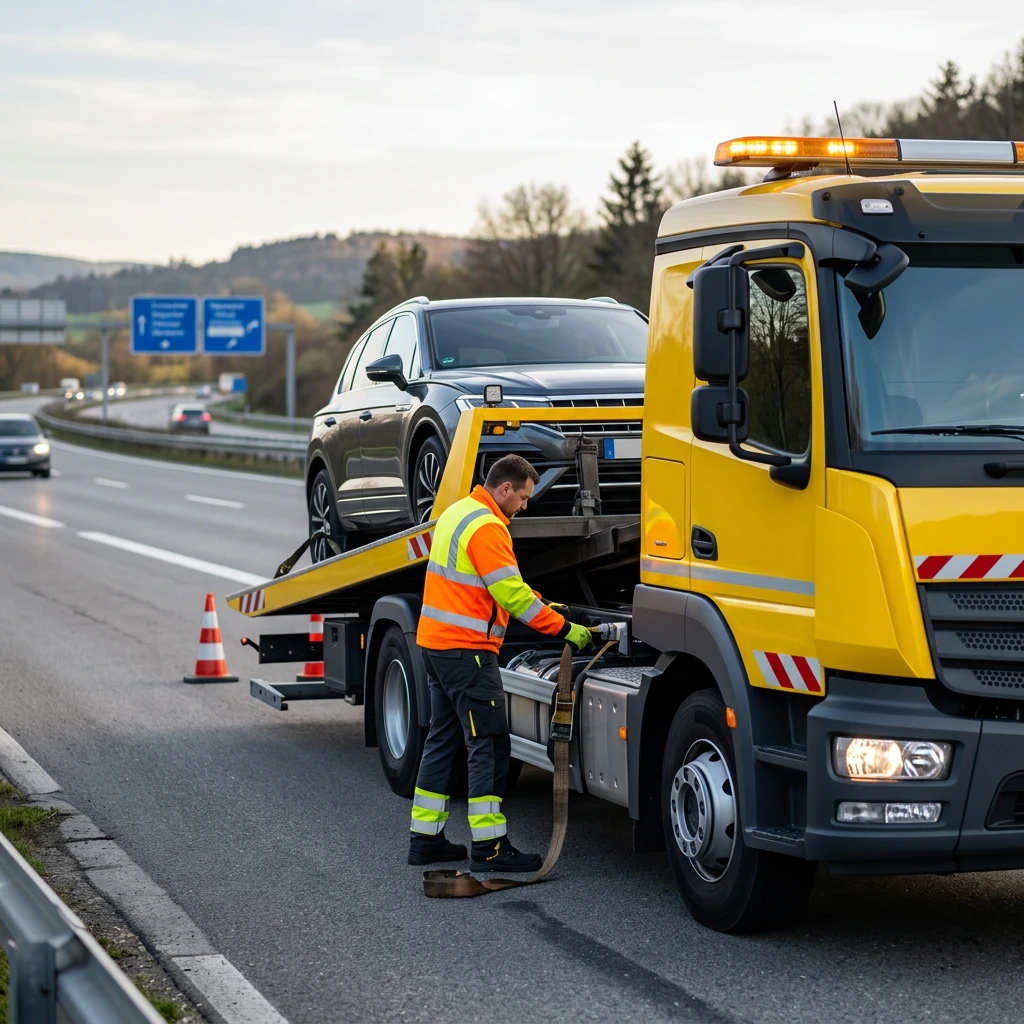
As Croatia continues to attract tourists with its breathtaking coastal scenery and vibrant culture, the demand for roadside assistance and towing services has increased significantly. Following the adoption of the Euro in 2023, prices for these services have seen a moderate rise due to inflation and increased operational costs. Visitors should expect to pay between 30 € to 300 € depending on the nature of the service required, making it essential to be prepared for any roadside emergencies.
- Informative estimated average prices in Euros (€)
- Transparent low vs. high peak season price breakdown below
Comprehensive Price Breakdown & Comparison Table 2026
| Service | Low Season Price (€) | High Season Price (€) |
|---|---|---|
| Towing Service (within 50 km) | 80 € | 150 € |
| Roadside Assistance (flat tire, battery jump) | 30 € | 70 € |
| Fuel Delivery (up to 10 liters) | 40 € | 60 € |
| Lockout Service | 50 € | 100 € |
| Long-Distance Towing (over 50 km) | 150 € | 300 € |
| 24/7 Emergency Assistance Subscription | 100 € | 200 € |
Regional Price Variations (Islands vs Coastal vs Inland)
Prices for towing and roadside assistance can vary significantly across Croatia's diverse regions. Coastal areas and popular islands like Hvar and Korčula tend to have higher service costs due to increased demand from tourists. For instance, a towing service in Dubrovnik might be priced at the higher end of the scale compared to inland areas like Slavonia. Here’s a brief overview:
- Islands (Hvar, Korčula): Higher prices due to logistics and demand.
- Coastal Towns (Dubrovnik, Split): Moderate to high prices, especially in peak season.
- Inland Areas (Zagreb, Slavonia): Generally lower prices and quicker response times.
Insider Money-Saving Tips & Tourist Traps to Avoid
- Local Lunch Specials ('Marenda'): Enjoy affordable meals at local eateries to save money.
- Grocery Shopping: Buy snacks and drinks at supermarkets rather than tourist shops.
- Avoid Dynamic Currency Conversion: Always choose to pay in local currency to avoid extra fees.
- Tipping Etiquette: Round up the bill or leave a small tip for good service, but it's not mandatory.
Payment Rules, Card Acceptance & Fiscal Receipts
In Croatia, it's essential to understand the local fiscal laws ('Fiskalni račun'). Always ask for a receipt when paying for services, as this is a legal requirement and can be useful for warranty claims or disputes. Most towing and roadside assistance services accept major credit cards, but having cash on hand is advisable, especially in remote areas where card acceptance may be limited.