Current Situation & Pricing Overview 2026 in Croatia
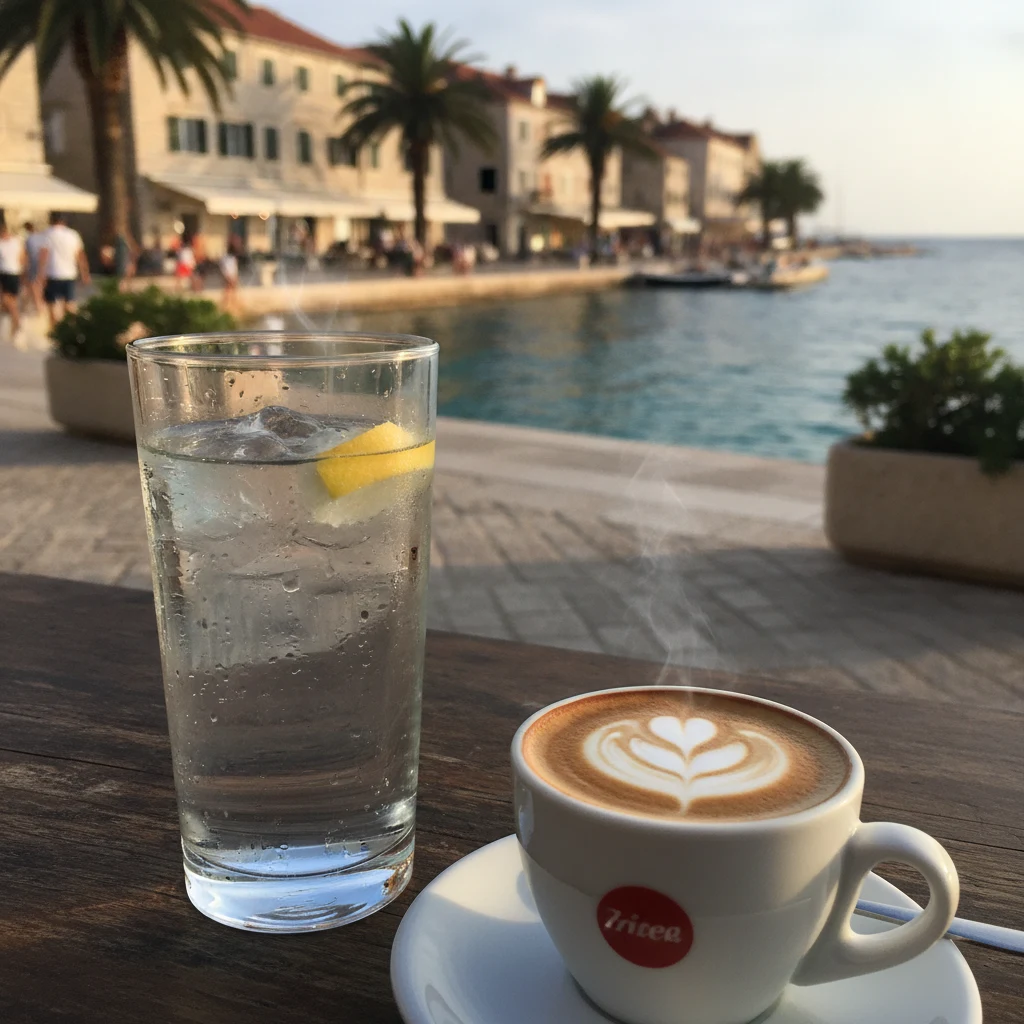
As Croatia continues to adapt to the Euro, the pricing landscape for coffee and soft drinks has seen notable changes. Following the Euro adoption, inflation has influenced the cost of living, particularly in tourist-heavy regions. Visitors can expect to pay slightly more than in previous years, especially in coastal areas where demand is high during the summer months. The café culture remains vibrant, with locals and tourists alike enjoying their daily brews and refreshing drinks by the seaside.
- Informative estimated average prices in Euros (€)
- Transparent low vs. high peak season price breakdown below
Comprehensive Price Breakdown & Comparison Table 2026
| Item | Low Season Price (€) | High Season Price (€) | Notes |
|---|---|---|---|
| Espresso | 1.50 | 3.00 | Varies by location |
| Cappuccino | 2.50 | 4.50 | Higher in tourist areas |
| Latte | 2.80 | 5.00 | Artisan cafés may charge more |
| Soft Drink (Coke, Sprite) | 1.50 | 3.00 | Standard price for 0.5L |
| Local Craft Beer | 3.00 | 5.00 | Popular in coastal regions |
| Mineral Water | 1.00 | 2.50 | Essential for hydration |
| Iced Coffee | 3.00 | 5.00 | Refreshing option in summer |
| Fresh Juice | 3.50 | 6.00 | Varies by fruit type |
Regional Price Variations (Islands vs Coastal vs Inland)
Prices for coffee and soft drinks can vary significantly across different regions of Croatia. Coastal areas, especially popular islands like Hvar and Korčula, often have higher prices due to their tourist appeal. For instance, a cappuccino in Hvar might cost around 4.50 €, while the same drink in a less touristy inland town could be as low as 2.50 €.
- Hvar: High prices due to tourism; expect to pay 4.50 € for a cappuccino.
- Dubrovnik: Similar pricing to Hvar; soft drinks can reach 3.00 €.
- Split: Moderate prices; cappuccinos typically around 3.50 €.
- Inland Areas: More affordable options; expect lower prices, e.g., 2.00 € for an espresso.
Insider Money-Saving Tips & Tourist Traps to Avoid
To make the most of your budget while enjoying Croatia's café culture, consider the following tips:
- Local Lunch Specials: Look for 'Marenda' deals, which offer affordable lunch options in local eateries.
- Grocery Shopping: Purchase drinks from local supermarkets for better prices, especially if you're staying in self-catering accommodation.
- Avoid Dynamic Currency Conversion: When using ATMs or paying with cards, opt to pay in local currency (HRK) to avoid extra fees.
- Tipping Etiquette: While not mandatory, leaving small change or rounding up your bill is appreciated.
Payment Rules, Card Acceptance & Fiscal Receipts
In Croatia, it is essential to understand the fiscal law ('Fiskalni račun'), which mandates that all businesses provide a fiscal receipt for transactions. Always ask for a receipt, as this is crucial for any potential disputes or refunds. Most cafes and bars accept credit cards, but it's wise to carry some cash, especially in rural areas or smaller islands where card facilities may be limited.