Current Situation & Pricing Overview 2026 in Croatia
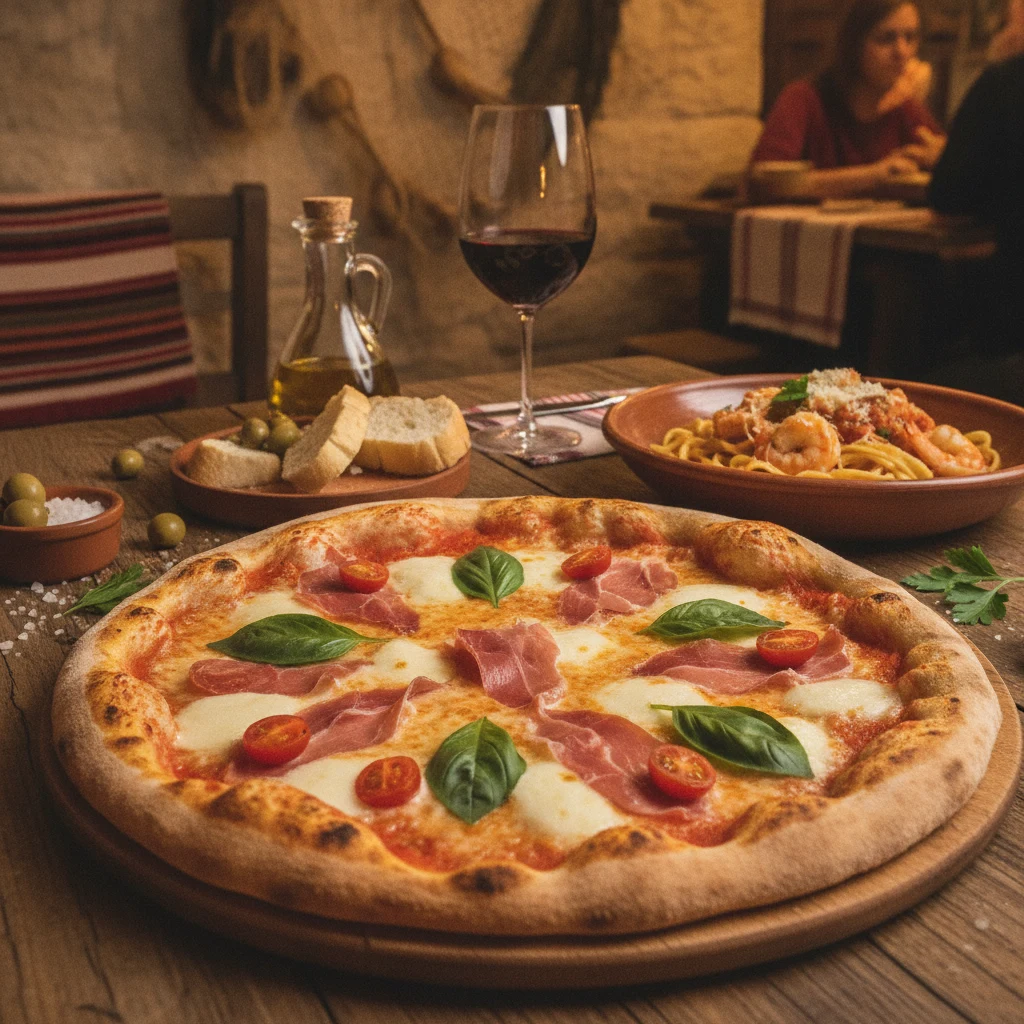
As Croatia continues to thrive as a popular tourist destination, the culinary scene has evolved significantly. Following the adoption of the Euro, many prices have seen a slight increase due to inflation and the rising cost of ingredients. However, pizza and pasta remain affordable options for both locals and tourists. Expect to pay between 8 € and 25 € for a variety of dishes, depending on the location and season.
- Informative estimated average prices in Euros (€)
- Transparent low vs. high peak season price breakdown below
Comprehensive Price Breakdown & Comparison Table 2026
| Dish | Low Season Price (€) | High Season Price (€) | Budget Option (€) | Luxury Option (€) |
|---|---|---|---|---|
| Margherita Pizza | 8 | 15 | 8 | 15 |
| Pepperoni Pizza | 10 | 18 | 10 | 18 |
| Seafood Pasta | 12 | 25 | 12 | 25 |
| Penne Arrabbiata | 9 | 16 | 9 | 16 |
| Lasagna | 10 | 20 | 10 | 20 |
| Pasta with Pesto | 8 | 15 | 8 | 15 |
| Pizza with Local Ingredients | 12 | 22 | 12 | 22 |
| Vegetarian Pizza | 9 | 17 | 9 | 17 |
| Gnocchi | 10 | 18 | 10 | 18 |
| Ravioli | 11 | 19 | 11 | 19 |
Regional Price Variations (Islands vs Coastal vs Inland)
Prices for pizza and pasta can vary significantly across Croatia's diverse regions. Coastal areas and popular islands such as Hvar and Korčula tend to have higher prices, especially during the summer tourist season. In contrast, inland areas and smaller towns may offer more budget-friendly options. For example:
- Dubrovnik: Expect to pay around 15 € for a Margherita pizza.
- Split: Prices are slightly lower, averaging 12 € for similar dishes.
- Rovinj: A mix of both, with seafood pasta ranging from 15 € to 25 €.
- Hvar: Higher-end dining experiences can push prices up to 30 € for gourmet pizzas.
Insider Money-Saving Tips & Tourist Traps to Avoid
To make the most of your culinary experience in Croatia without breaking the bank, consider the following tips:
- Local Lunch Specials: Many restaurants offer 'Marenda' – a local lunch special that can be a great deal.
- Grocery Shopping: Purchase ingredients from local markets for a DIY meal, especially in coastal towns where fresh seafood is abundant.
- Avoid Dynamic Currency Conversion: Always choose to pay in local currency to avoid extra fees.
- ATM Fees: Use ATMs that are affiliated with your bank to minimize withdrawal fees.
- Tipping Etiquette: While not mandatory, rounding up the bill or leaving a 10% tip is appreciated.
Payment Rules, Card Acceptance & Fiscal Receipts
In Croatia, cash is still widely used, but credit and debit cards are accepted in most restaurants and shops. It's important to note the following:
- Fiscal Receipts: Croatian law requires businesses to provide a 'Fiskalni račun' (fiscal receipt) for every transaction. Always ask for one, as it helps support local businesses and ensures transparency.
- Card Acceptance: Visa and Mastercard are generally accepted, but smaller establishments may only take cash.
- Cash vs. Card: While cards are convenient, having cash on hand is advisable, especially in rural areas or during late-night outings.