Current Situation & Pricing Overview 2026 in Croatia
As Croatia has embraced the Euro, the pricing landscape for museums, fortresses, and historical sites has seen notable changes. In 2026, visitors can expect a slight increase in entry fees compared to previous years, primarily due to inflation and the rising costs of maintaining these cultural treasures. On average, entry fees have risen by about 10-15% since the Euro adoption, reflecting the country's commitment to preserving its rich heritage while making it accessible to tourists.
- Informative estimated average prices in Euros (€)
- Transparent low vs. high peak season price breakdown below
Comprehensive Price Breakdown & Comparison Table 2026
| Service | Low Season Price (€) | High Season Price (€) |
|---|---|---|
| Dubrovnik City Walls | 30 | 40 |
| Museum of Broken Relationships (Zagreb) | 10 | 15 |
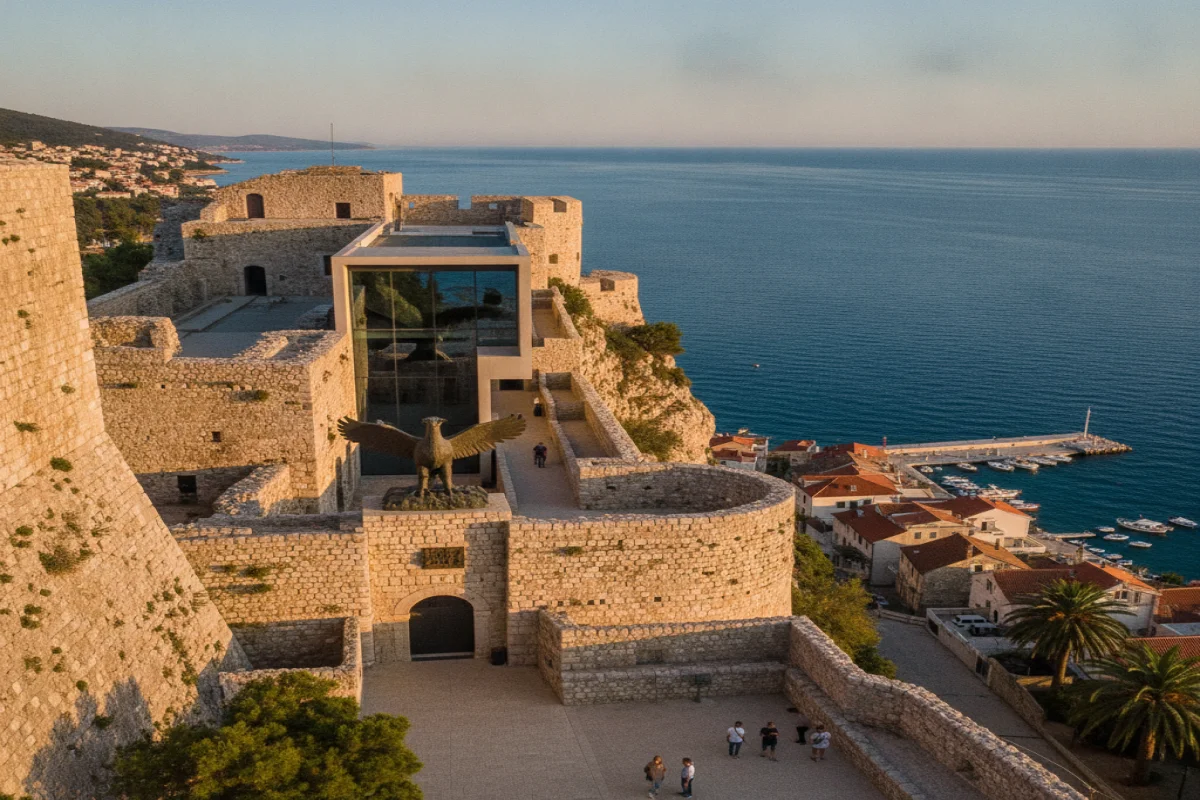
| Hvar Fortress | 5 | 10 |
| Split Archaeological Museum | 8 | 12 |
| Pula Arena | 12 | 15 |
| National Museum of Modern Art (Zagreb) | 5 | 10 |
| Krka National Park | 15 | 25 |
| Trogir Historical Sites | 8 | 12 |
| Rovinj Heritage Museum | 6 | 10 |
| Vis Island Historical Museum | 4 | 8 |
Regional Price Variations (Islands vs Coastal vs Inland)
Pricing for museum entries varies significantly across Croatia's diverse regions. Coastal areas, especially tourist hotspots like Dubrovnik and Split, tend to have higher fees due to increased demand. For instance, the Dubrovnik City Walls charge up to 40 € during peak season, while inland museums like the National Museum of Modern Art in Zagreb may only charge around 10 € at most. Islands such as Hvar and Korčula also have unique pricing, often reflecting their tourist appeal and accessibility.
Insider Money-Saving Tips & Tourist Traps to Avoid
- Lunch Specials: Look for local 'Marenda' specials, which offer affordable meals in restaurants, often including a drink.
- Grocery Shopping: Purchase snacks and drinks from local grocery stores instead of tourist shops to save money.
- ATM Fees: Avoid dynamic currency conversion at ATMs; always choose to withdraw in Euros to avoid extra fees.
- Tipping Etiquette: Tipping is appreciated but not mandatory; rounding up the bill is usually sufficient.
Payment Rules, Card Acceptance & Fiscal Receipts
In Croatia, it is essential to understand the fiscal law ('Fiskalni račun') which mandates that businesses provide a receipt for every transaction. Most museums and attractions accept credit and debit cards, but it's wise to carry some cash, especially in smaller towns or less touristy areas. Always ask for a receipt, as it can be useful for potential refunds or disputes.