Current Situation & Pricing Overview 2026 in Croatia
As of 2026, Croatia's accommodation landscape has evolved significantly following the adoption of the Euro. Prices have adjusted, reflecting both inflation and the increasing popularity of the country as a tourist destination. Visitors can expect a range of accommodation options from budget hostels to luxury hotels, with costs varying widely based on location, season, and amenities offered. The coastal regions, particularly during the summer months, see a spike in prices due to high demand, while inland areas remain more affordable.
- Informative estimated average prices in Euros (€)
- Transparent low vs. high peak season price breakdown below
Comprehensive Price Breakdown & Comparison Table 2026
| Accommodation Type | Low Season Price | High Season Price |
|---|---|---|
| 3-Star Hotel | 70 € | 150 € |
| 5-Star Hotel | 150 € | 350 € |
| Private Room (Airbnb) | 50 € | 120 € |
| Hostel Bed | 15 € | 40 € |
| Camping Fee | 10 € | 30 € |
| Tourist Tax | 1 € | 2 € |
Regional Price Variations (Islands vs Coastal vs Inland)
Prices for accommodation can vary significantly across different regions of Croatia. Coastal areas like Dubrovnik and Split are among the most expensive, especially during peak tourist season. In contrast, popular islands such as Hvar and Korčula also see high prices, particularly for beachfront properties. Inland regions, including towns like Slavonski Brod and Varaždin, offer more budget-friendly options, making them ideal for travelers looking to save.
Insider Money-Saving Tips & Tourist Traps to Avoid
- Marenda Specials: Look for local lunch specials known as 'Marenda' in restaurants, which offer great value.
- Grocery Shopping: Purchase snacks and drinks from local supermarkets instead of tourist shops to save money.
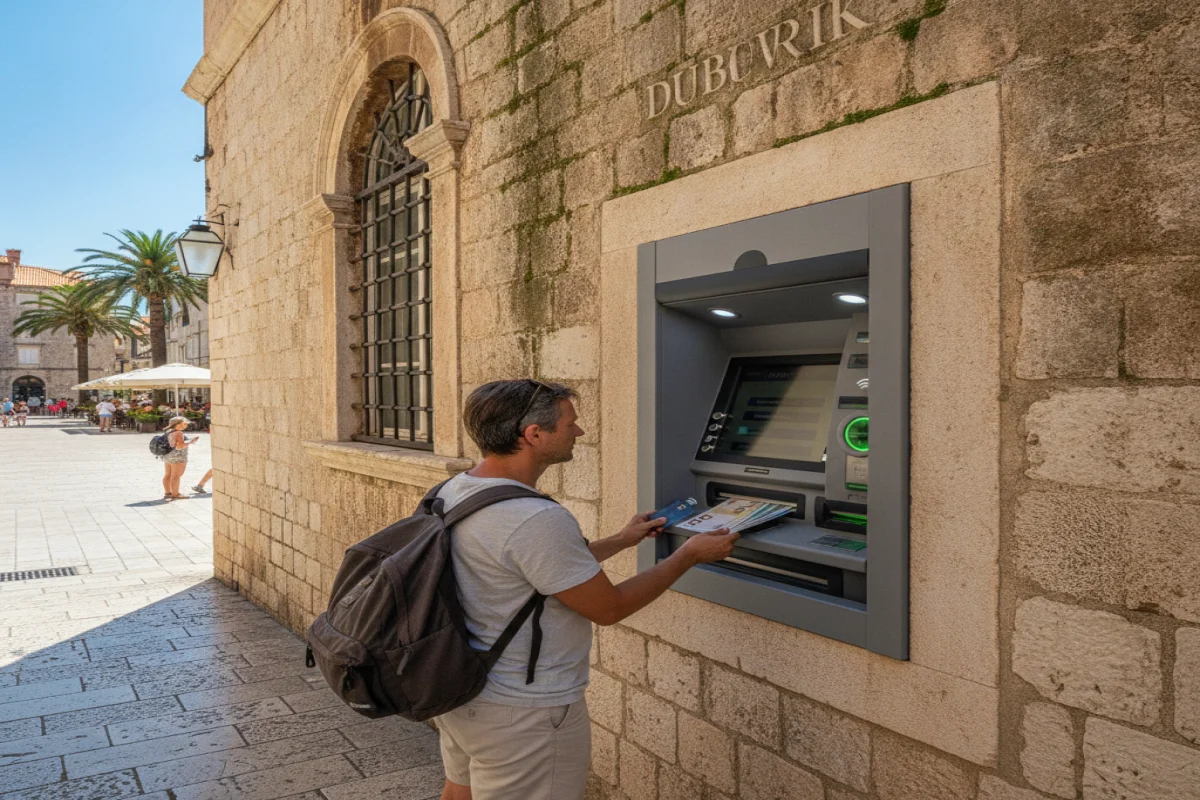
- ATM Fees: Avoid dynamic currency conversion at ATMs; always choose to be charged in the local currency.
- Tipping Etiquette: Tipping is appreciated but not mandatory; rounding up the bill is common practice.
- Book in Advance: Secure accommodation early, especially for summer trips, to avoid inflated last-minute prices.
Payment Rules, Card Acceptance & Fiscal Receipts
In Croatia, both cash and card payments are widely accepted. However, it is essential to ask for a fiscal receipt ('Fiskalni račun') for all transactions, as this is required by law and can be useful for any disputes. While credit and debit cards are convenient, carrying some cash is advisable, especially in rural areas or smaller establishments where card acceptance may be limited.