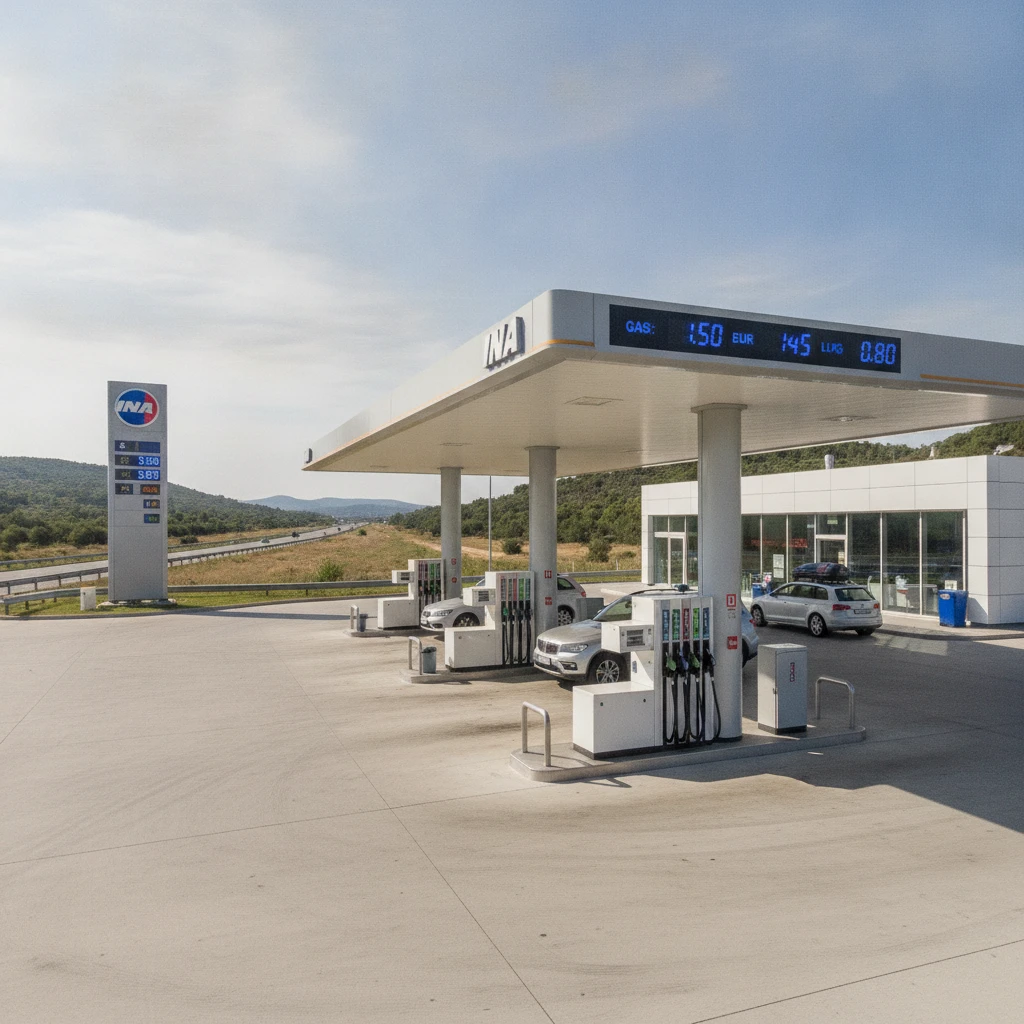
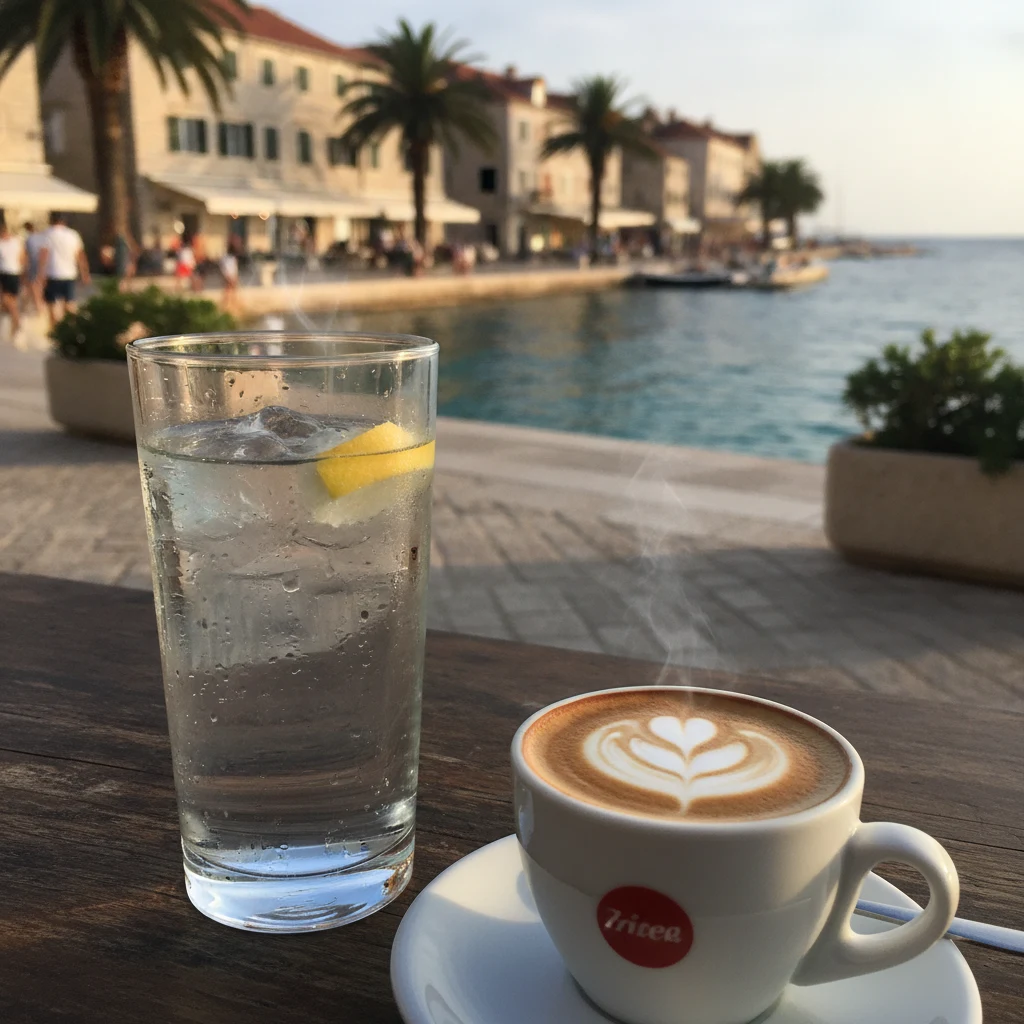
Current Situation & Pricing Overview 2026 in Croatia
Since the adoption of the Euro in 2023, dining prices in Croatia have seen a notable adjustment. Inflation has influenced costs, but the overall price range remains competitive compared to other European destinations. Visitors should expect to pay more in tourist hotspots, especially along the stunning Adriatic coast, where the demand for fresh seafood and local delicacies is high.
- Informative estimated average prices in Euros (€)
- Transparent low vs. high peak season price breakdown below
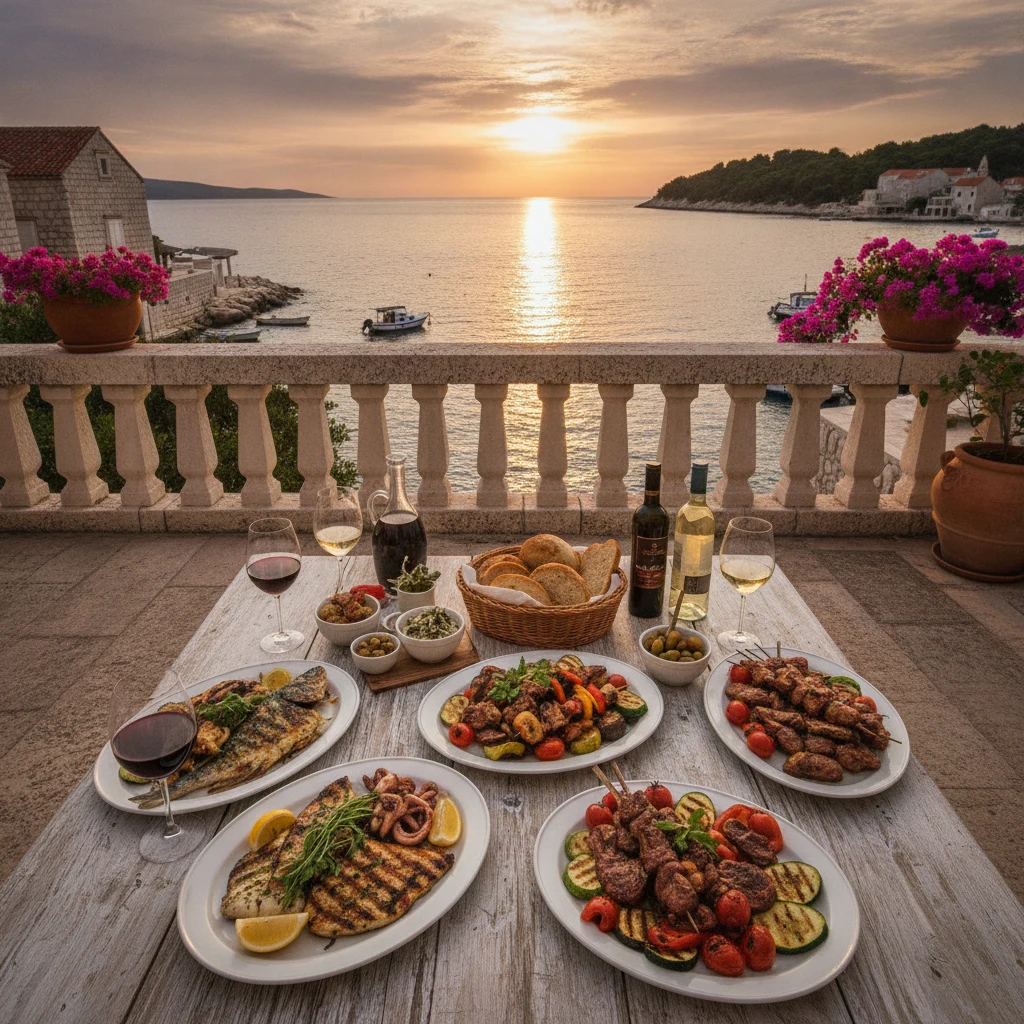
Comprehensive Price Breakdown & Comparison Table 2026
| Item | Low Season Price (€) | High Season Price (€) | Budget Range (€) | Luxury Range (€) |
|---|---|---|---|---|
| Coffee (Espresso) | 1.50 | 3.00 | 1.50 – 2.50 | 2.50 – 3.00 |
| Local Beer (0.5L) | 2.50 | 5.00 | 2.50 – 3.50 | 4.00 – 5.00 |
| Pizza | 6.00 | 15.00 | 6.00 – 10.00 | 12.00 – 15.00 |
| Seafood Dish | 12.00 | 30.00 | 12.00 – 20.00 | 25.00 – 30.00 |
| Three-Course Meal (Mid-range) | 25.00 | 50.00 | 25.00 – 35.00 | 40.00 – 50.00 |
| Fine Dining Experience | 50.00 | 150.00 | 50.00 – 80.00 | 100.00 – 150.00 |
Regional Price Variations (Islands vs Coastal vs Inland)
Prices can vary significantly across different regions of Croatia. Coastal areas, particularly popular islands like Hvar and Korčula, tend to have higher dining costs due to their tourist appeal. In contrast, inland areas may offer more affordable options. For example:
- Hvar: Expect to pay premium prices for seafood and fine dining experiences.
- Dubrovnik: Renowned for its stunning views, dining here can be expensive, especially in the Old Town.
- Split: A mix of budget and mid-range options, with local eateries offering good value.
- Rovinj: Known for its seafood, prices can be moderate to high depending on the restaurant's location.
- Inland Areas: Generally, more affordable dining options are available, with hearty local dishes at lower prices.
Insider Money-Saving Tips & Tourist Traps to Avoid
To make the most of your dining budget in Croatia, consider the following tips:
- Local Lunch Specials: Look for 'Marenda' menus, which offer affordable lunch options at many restaurants.
- Grocery Shopping: Purchase snacks and drinks from local markets to save on costs, especially for beach days.
- Avoid Dynamic Currency Conversion: Always choose to pay in Euros to avoid unfavorable exchange rates at ATMs.
- Tipping Etiquette: While not mandatory, rounding up the bill or leaving 10% is appreciated in restaurants.
- Research Before You Go: Check online reviews and local recommendations to avoid overpriced tourist traps.
Payment Rules, Card Acceptance & Fiscal Receipts
In Croatia, it is essential to understand the payment landscape:
- Card Acceptance: Most restaurants and cafes accept major credit and debit cards, but it's wise to carry cash for smaller establishments.
- Fiscal Receipts: Croatian law requires businesses to issue a 'Fiskalni račun' (fiscal receipt) for every transaction. Always ask for a receipt, as it helps with potential disputes and is necessary for tax purposes.
- Cash vs. Card: While cards are widely accepted, some rural areas may only take cash, so plan accordingly.