Current Situation & Pricing Overview 2026 in Croatia
As Croatia continues to embrace the Euro, dining prices have seen a notable shift. Inflation and the transition to a new currency have influenced costs, particularly in tourist-heavy areas. In 2026, visitors can expect to pay more for meals than in previous years, but the quality and variety of food remain exceptional. Coastal regions, known for their stunning beaches and vibrant culinary scenes, often have higher prices compared to inland areas. Understanding these dynamics will help you budget effectively for your dining experiences.
- Informative estimated average prices in Euros (€)
- Transparent low vs. high peak season price breakdown below
Comprehensive Price Breakdown & Comparison Table 2026
| Item/Service | Low Season Price (€) | High Season Price (€) | Budget vs Luxury |
|---|---|---|---|
| Local beer (0.5L) | 3 | 6 | Budget |
| Glass of local wine | 4 | 10 | Budget |
| Pizza Margherita | 6 | 12 | Budget |
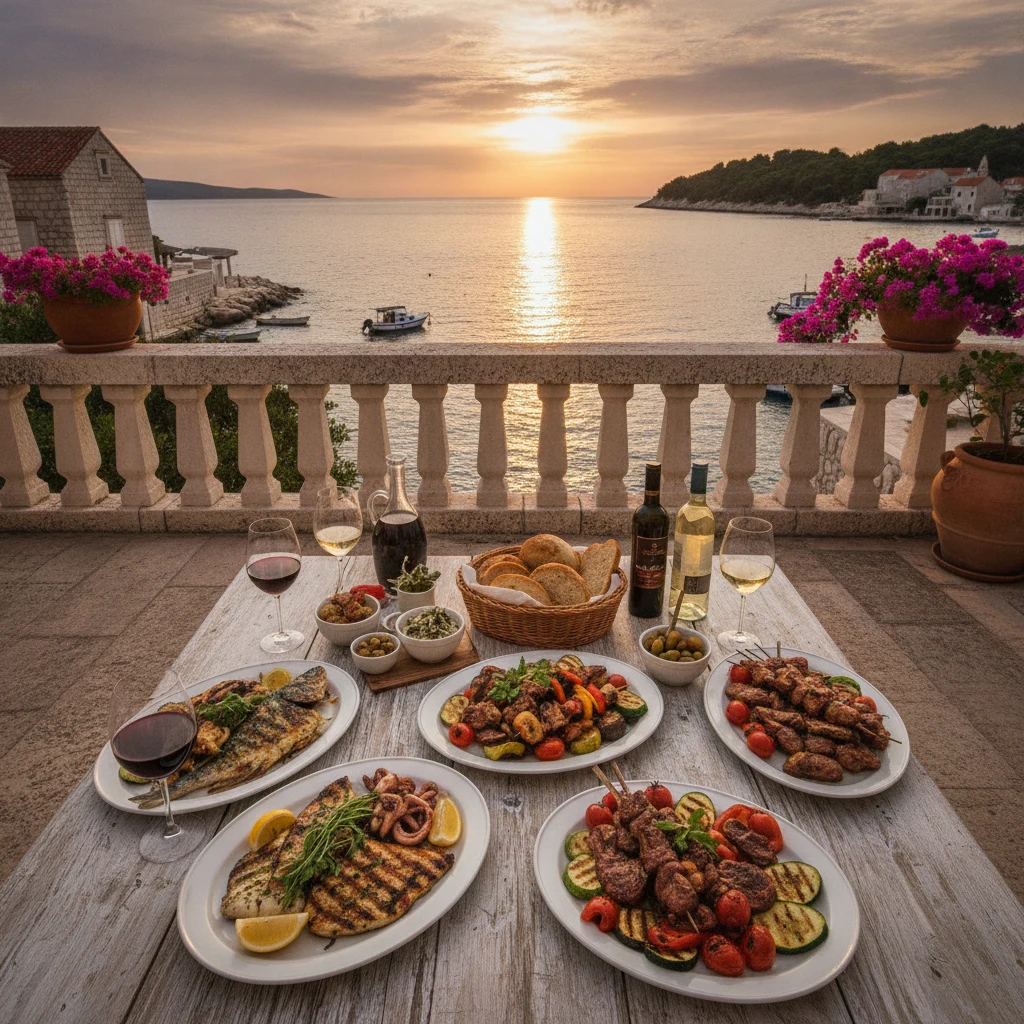
| Seafood platter | 20 | 40 | Luxury |
| Traditional Peka dish | 15 | 30 | Mid-range |
| Three-course meal at a mid-range restaurant | 25 | 50 | Mid-range |
| Fast food meal | 6 | 10 | Budget |
| Coffee (cappuccino) | 2 | 4 | Budget |
| Tasting menu at a fine dining restaurant | 50 | 100 | Luxury |
| Street food (Burek) | 2 | 5 | Budget |
Regional Price Variations (Islands vs Coastal vs Inland)
Dining costs can vary significantly across Croatia's diverse regions. Coastal areas, particularly tourist hotspots like Dubrovnik and Hvar, tend to have higher prices due to demand. For instance, a seafood platter in Dubrovnik may cost upwards of 40 €, while the same dish in a less touristy town could be around 20 €.
In contrast, inland regions such as Slavonia offer more affordable dining options, where a hearty meal can be found for under 15 €. Islands like Korčula and Brač also reflect a mix of coastal pricing, but often provide unique local dishes at competitive rates.
Insider Money-Saving Tips & Tourist Traps to Avoid
- Lunch Specials: Look for 'Marenda' deals, which are local lunch specials often available at reduced prices.
- Grocery Shopping: For budget travelers, consider shopping at local markets for fresh produce and snacks.
- Avoid Tourist Traps: Restaurants near major attractions typically charge higher prices. Venture a few streets away for better deals.
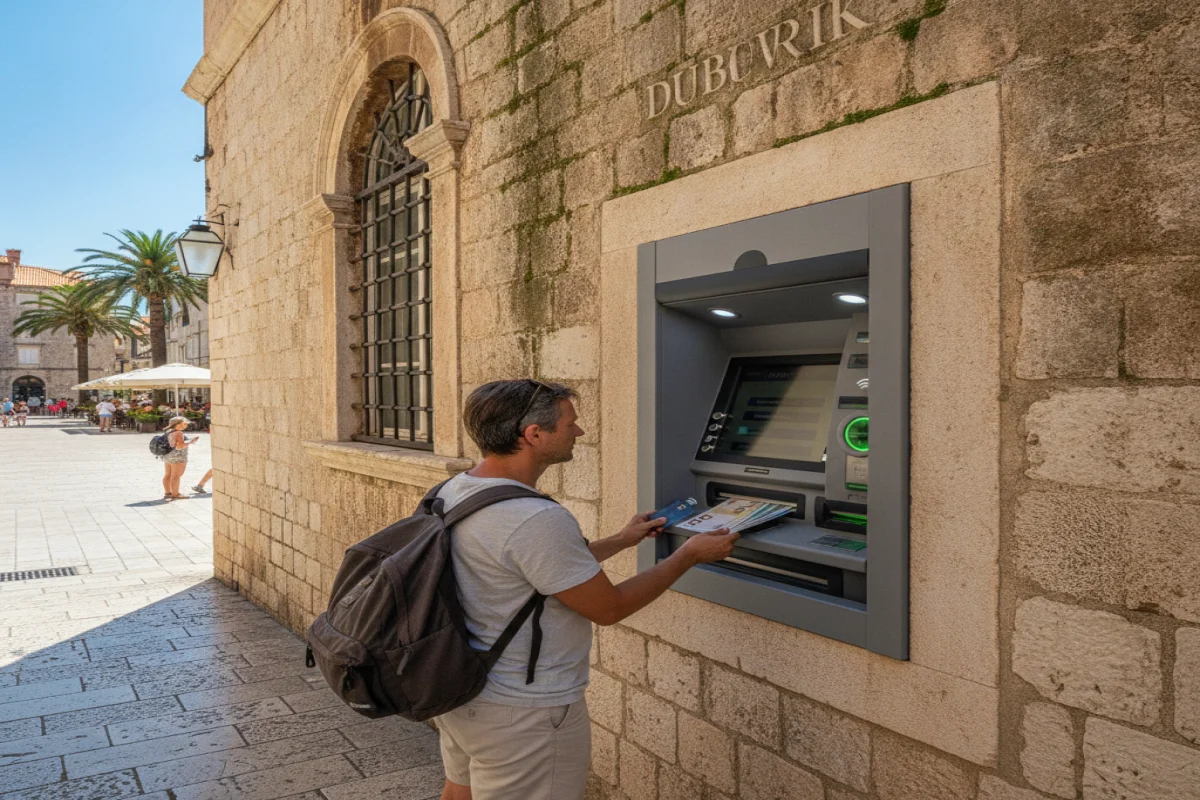
- Dynamic Currency Conversion: Avoid using dynamic currency conversion at ATMs or payment terminals, as it often results in unfavorable exchange rates.
- Tipping Etiquette: While not mandatory, leaving a tip of 10-15% is appreciated in restaurants.
Payment Rules, Card Acceptance & Fiscal Receipts
In Croatia, it is essential to ask for a fiscal receipt ('Fiskalni račun') when making a purchase, as this is a legal requirement. Most restaurants accept credit cards, but it's wise to carry some cash, especially in smaller towns or local eateries. Be aware that some establishments may add a service charge to your bill, so check before tipping.