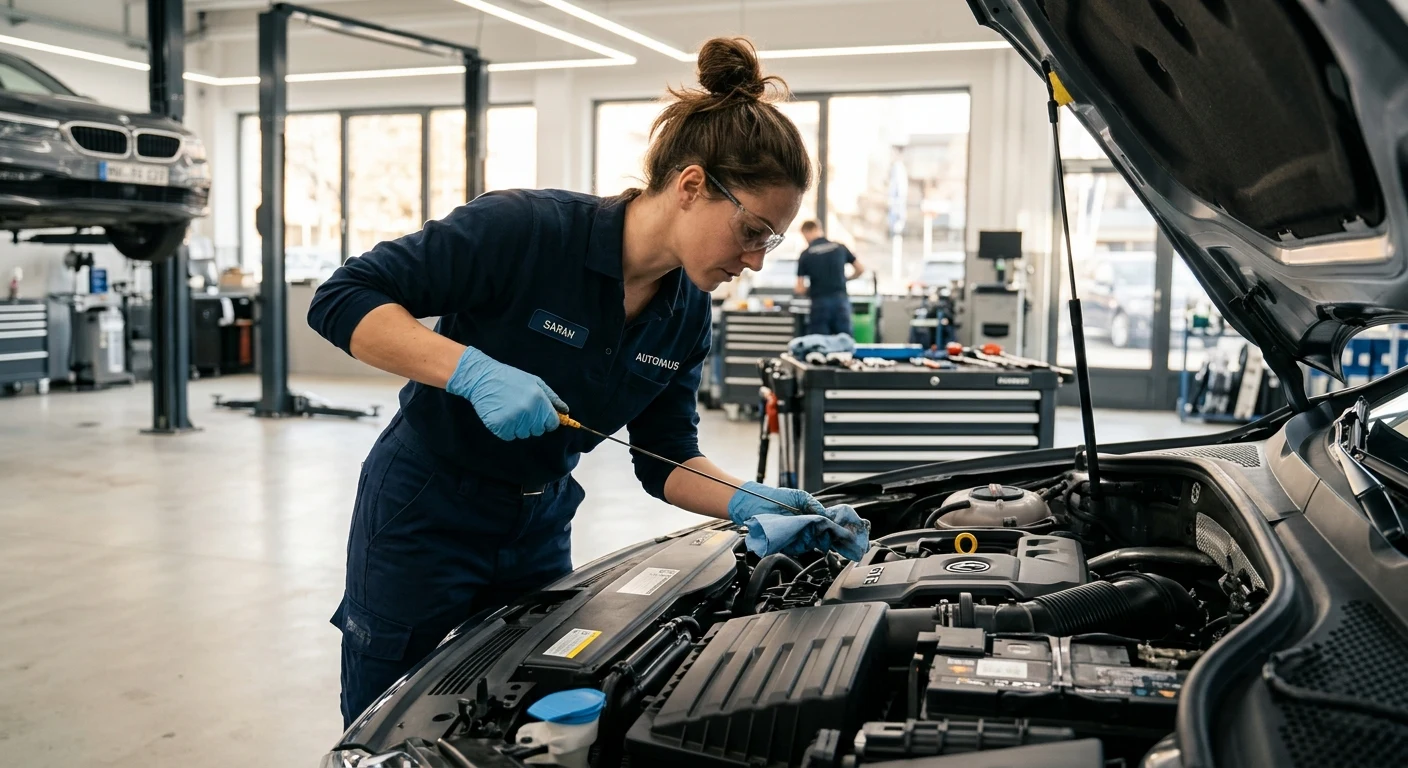
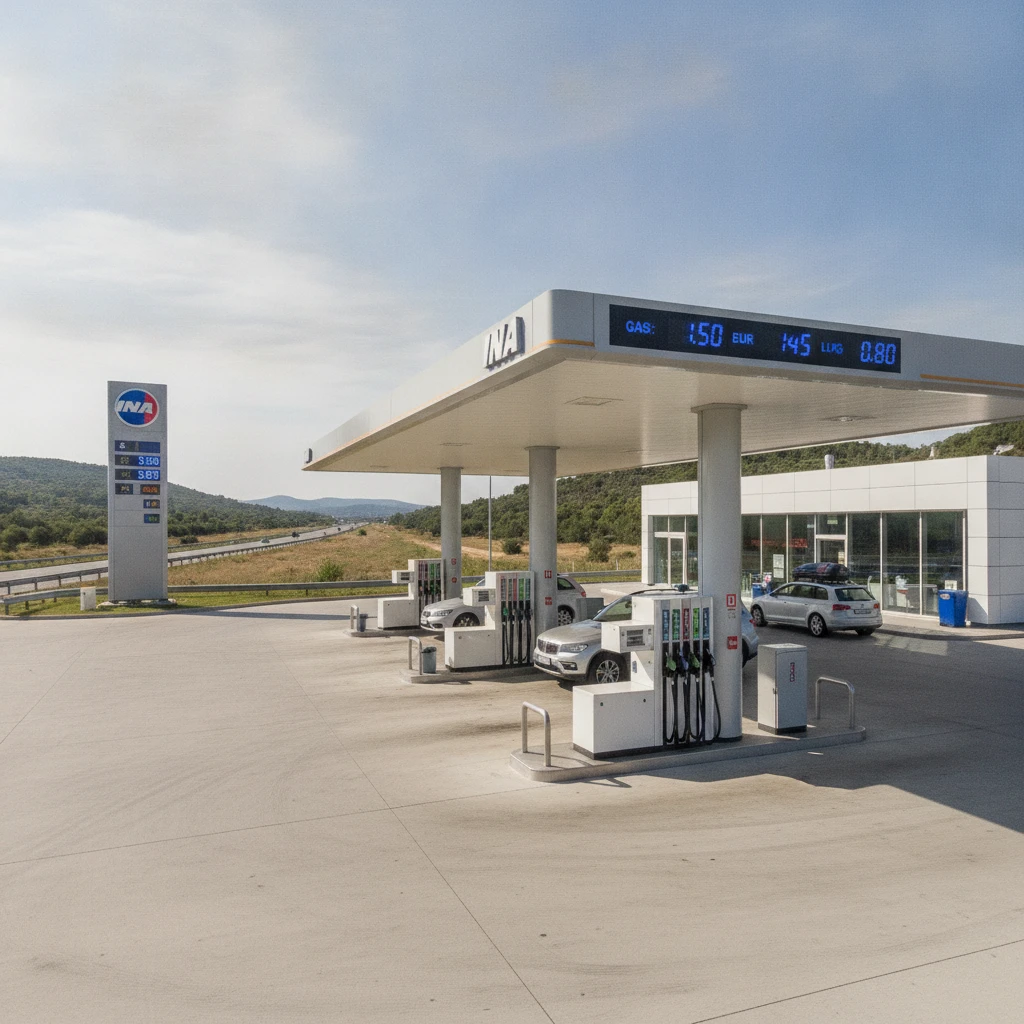
Current Situation & Pricing Overview 2026 in Croatia
As Croatia continues to embrace the Euro, the auto detailing industry has seen a significant shift in pricing structures. The adoption of the Euro has led to a more standardized pricing model across the country, though inflation has also played a role in increasing costs. Visitors should expect to pay more for detailing services in popular tourist areas, particularly along the stunning Adriatic coast, where demand is high during the summer months.
- Informative estimated average prices in Euros (€)
- Transparent low vs. high peak season price breakdown below
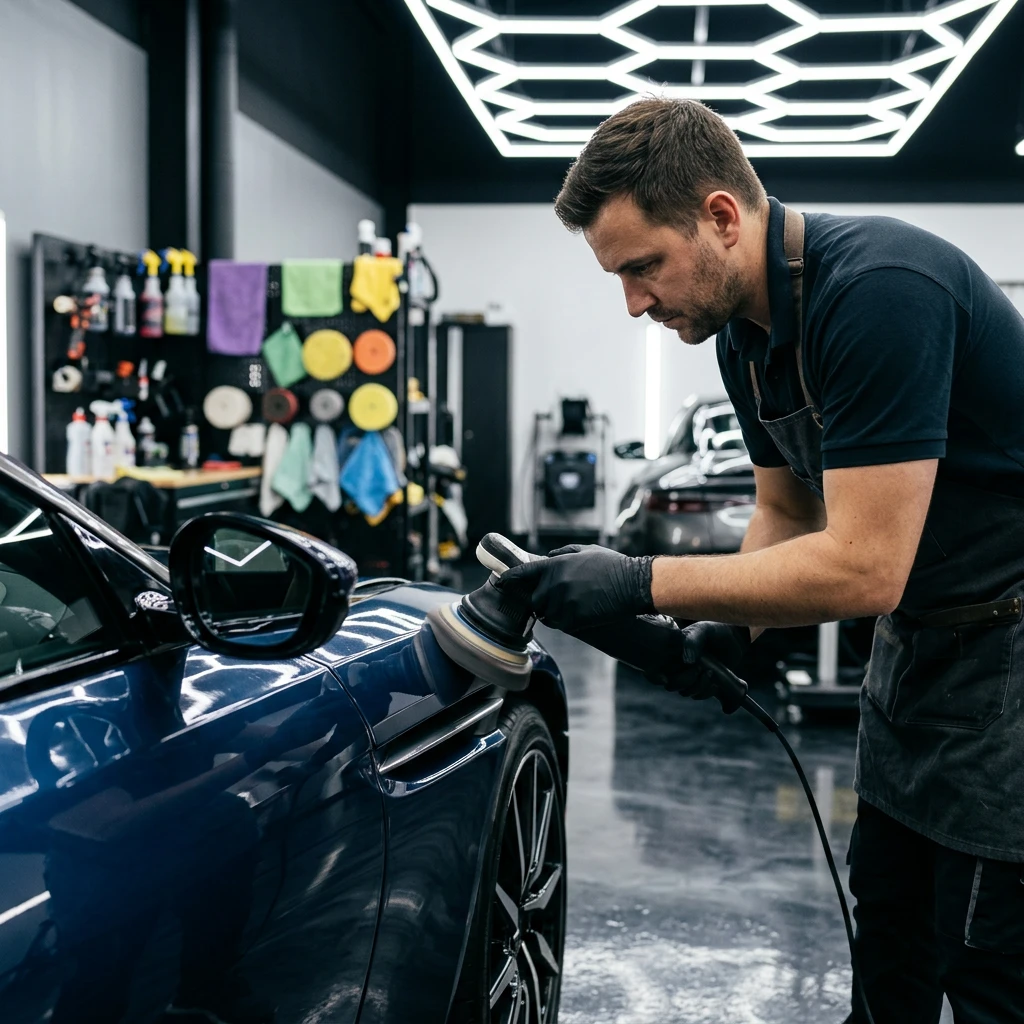
Comprehensive Price Breakdown & Comparison Table 2026
| Service | Low Season Price (€) | High Season Price (€) |
|---|---|---|
| Basic Exterior Wash | 10 | 20 |
| Interior Vacuuming | 15 | 30 |
| Full Exterior Detailing | 50 | 100 |
| Interior Deep Cleaning | 40 | 80 |
| Engine Cleaning | 30 | 60 |
| Ceramic Coating | 200 | 500 |
Regional Price Variations (Islands vs Coastal vs Inland)
Prices for auto detailing services can vary significantly across different regions of Croatia. In popular coastal towns like Dubrovnik and Split, you may find higher rates due to the influx of tourists. Conversely, inland areas or less frequented islands like Vis may offer more competitive pricing. Here’s a quick overview:
- Hvar: Premium pricing due to high tourist demand.
- Korčula: Moderate pricing, with some seasonal discounts.
- Dubrovnik: Higher end of the spectrum, especially in peak summer.
- Split: Competitive prices, particularly in the off-season.
- Rovinj: Mid-range pricing with good service options.
Insider Money-Saving Tips & Tourist Traps to Avoid
When seeking auto detailing services, consider the following tips to save money and avoid common pitfalls:
- Look for local lunch specials: Many detailing shops offer discounts if you combine services with a meal at nearby restaurants.
- Grocery shopping hacks: Purchase cleaning supplies at local supermarkets to do minor touch-ups yourself.
- Avoid dynamic currency conversion: Always choose to pay in Euros to avoid unfavorable exchange rates.
- Tipping etiquette: A small tip (5-10%) is appreciated but not mandatory; round up the bill if you’re satisfied.
Payment Rules, Card Acceptance & Fiscal Receipts
In Croatia, it is essential to understand the payment landscape. Most establishments accept credit and debit cards, but cash is still widely used, especially in smaller towns. According to Croatian fiscal law ('Fiskalni račun'), businesses are required to issue a fiscal receipt for every transaction. Always ask for a receipt, as it serves as proof of payment and can be useful for warranty claims on services.