Current Situation & Pricing Overview 2026 in Croatia
Since adopting the Euro in 2023, Croatia has seen a significant shift in pricing across various sectors. Inflation has affected many goods and services, but the country remains a relatively affordable destination compared to Western Europe. Visitors can expect to pay more in tourist hotspots, especially along the stunning coastline, where demand drives prices higher.
- Informative estimated average prices in Euros (€)
- Transparent low vs. high peak season price breakdown below
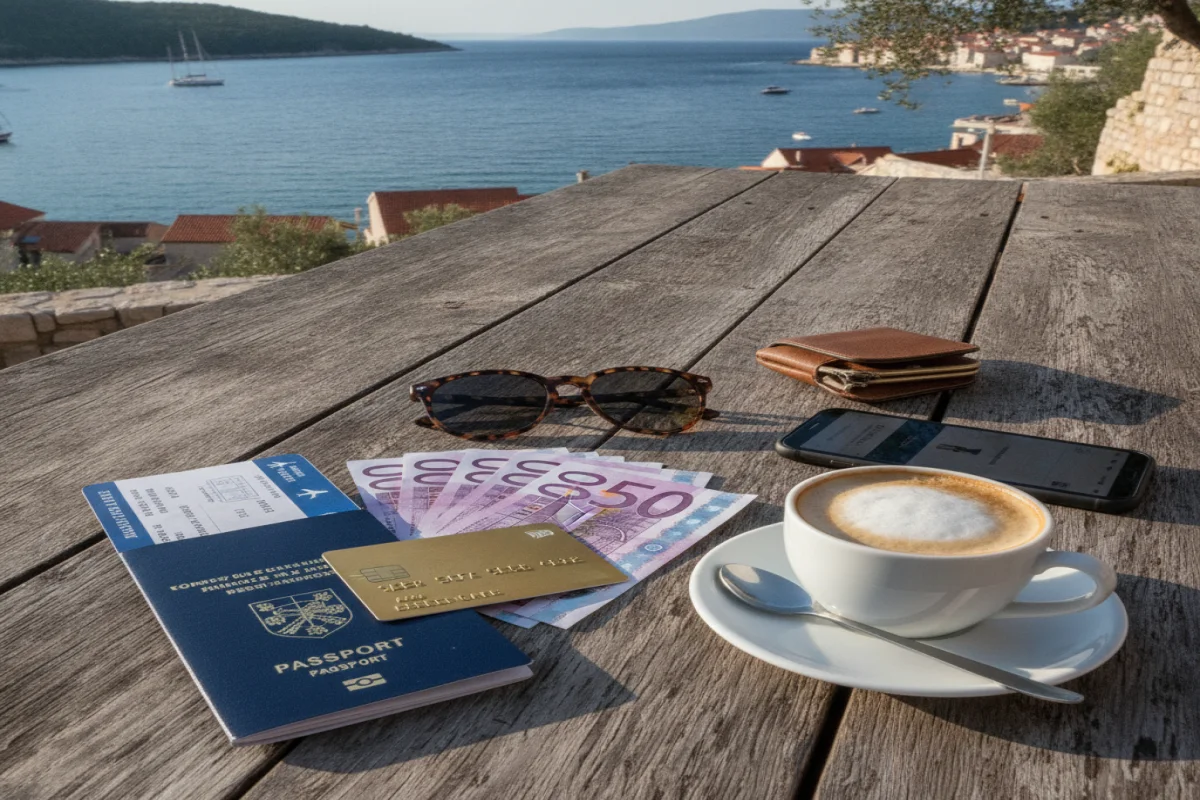
Comprehensive Price Breakdown & Comparison Table 2026
| Item/Service | Low Season | High Season |
|---|---|---|
| Meal at a mid-range restaurant | 15 € | 30 € |
| Coffee at a café | 2 € | 4 € |
| Public transportation ticket | 1.50 € | 3 € |
| Beach chair rental | 5 € | 10 € |
| Entrance to national parks | 10 € | 20 € |
| Local wine bottle | 5 € | 15 € |
| Hostel dorm bed | 15 € | 30 € |
| Hotel room (3-star) | 70 € | 150 € |
| Car rental | 30 € | 70 € |
| Guided tour | 25 € | 100 € |
Regional Price Variations (Islands vs Coastal vs Inland)
Prices can vary significantly depending on the region. Coastal cities like Dubrovnik and Split are generally more expensive due to their popularity among tourists. In contrast, inland areas and lesser-known islands like Vis or Lastovo offer more budget-friendly options. For example, a meal in Dubrovnik may cost around 25 € while the same meal in a smaller town could be as low as 10 €.
Insider Money-Saving Tips & Tourist Traps to Avoid
- Local Lunch Specials: Look for 'Marenda' deals in local eateries, which often offer substantial meals at lower prices.
- Grocery Shopping: Visit local markets for fresh produce and snacks instead of dining out for every meal.
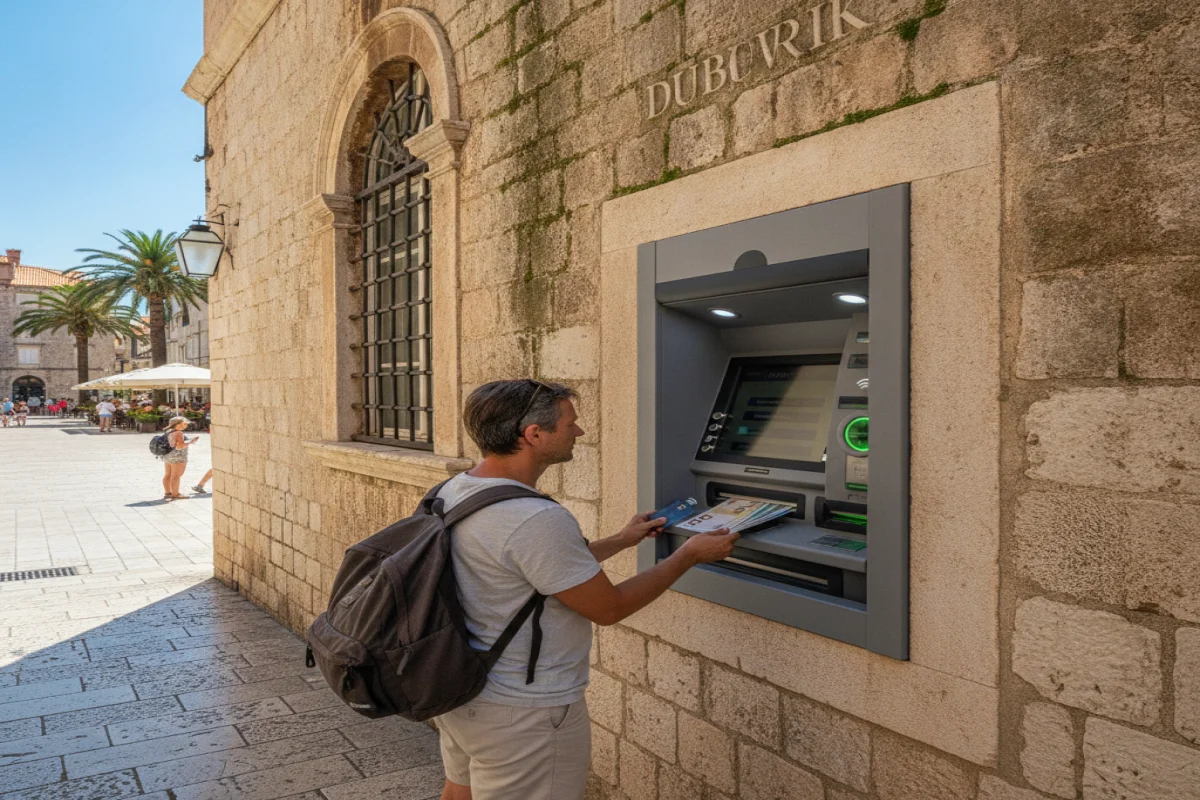
- ATM Traps: Avoid dynamic currency conversion at ATMs; always choose to be charged in Euros to avoid unfavorable exchange rates.
- Tipping Etiquette: Tipping is appreciated but not obligatory; a small tip is sufficient for good service.
- Free Attractions: Take advantage of Croatia's beautiful beaches and parks, many of which have no entry fee.
Payment Rules, Card Acceptance & Fiscal Receipts
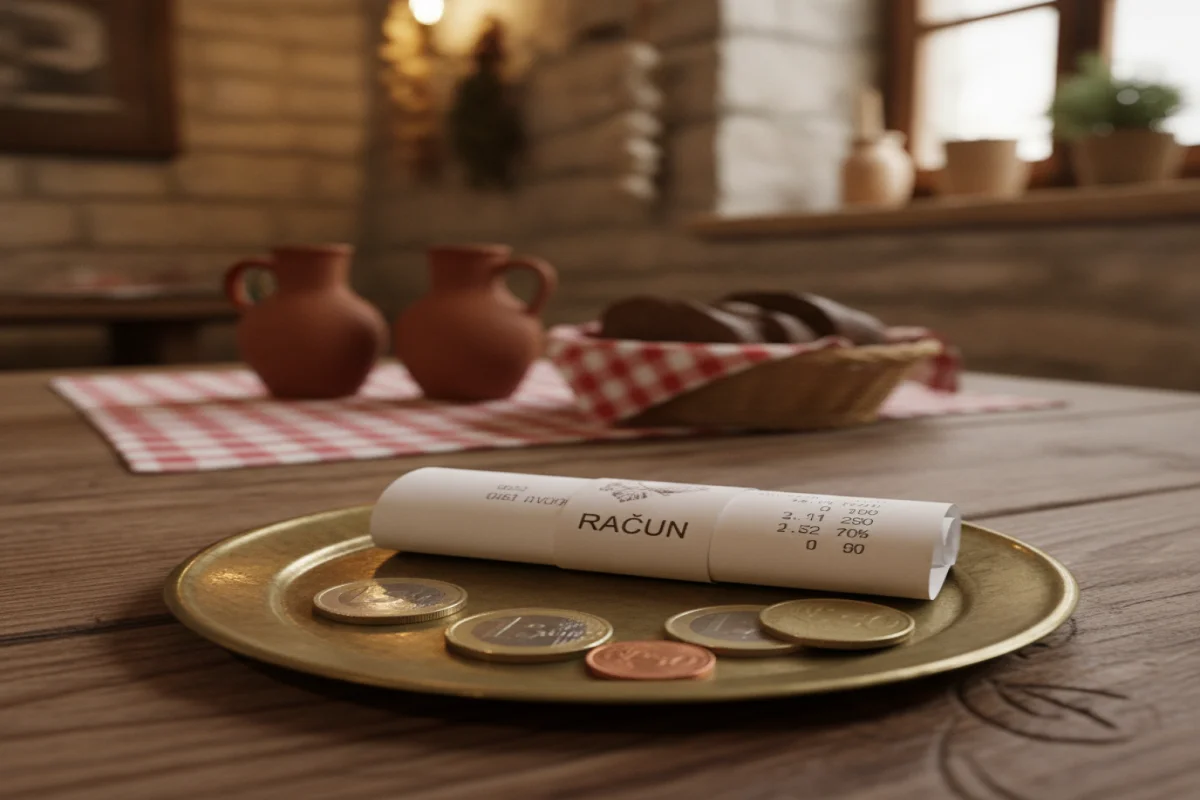
In Croatia, it's important to understand the local fiscal law ('Fiskalni račun'). Always ask for a receipt when making a purchase, as this is a legal requirement for businesses. While credit cards are widely accepted, especially in urban areas, it's wise to carry some cash for smaller shops and rural areas where card acceptance may be limited. Be aware that some establishments may add a service charge to your bill, so check before tipping.