Current Situation & Pricing Overview 2026 in Croatia
As of 2026, Croatia has fully adopted the Euro (€), which has significantly impacted pricing across the country. Visitors can expect to see a range of prices influenced by inflation and the demand for services, particularly in popular coastal and island regions. The transition to the Euro has made it easier for tourists from the Eurozone, but travelers from other regions should be aware of potential currency conversion fees when using cards.
- Informative estimated average prices in Euros (€)
- Transparent low vs. high peak season price breakdown below
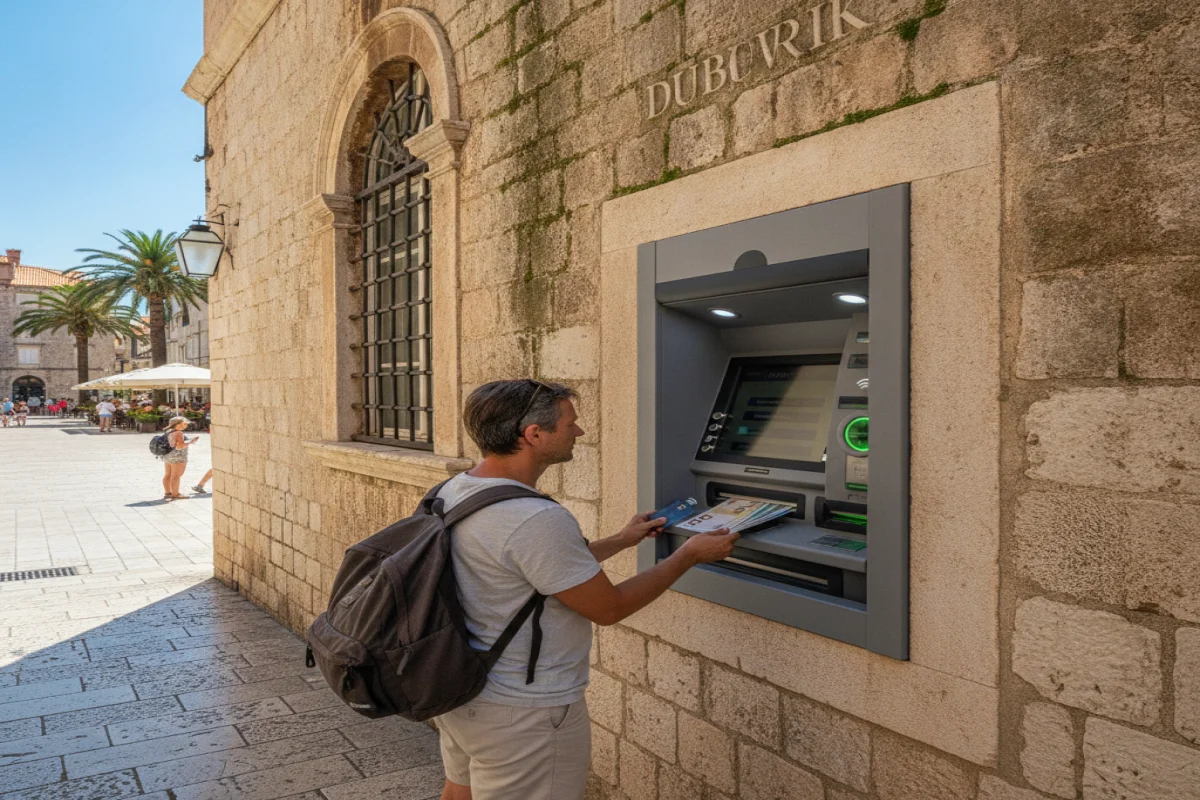
Comprehensive Price Breakdown & Comparison Table 2026
| Service | Low Season Price (€) | High Season Price (€) |
|---|---|---|
| Coffee in a café | 1.50 | 4.00 |
| Lunch at a local restaurant | 8.00 | 25.00 |
| Dinner at a fine dining restaurant | 25.00 | 70.00 |
| Local beer (0.5L) | 2.00 | 5.00 |
| ATM withdrawal fee | 2.00 | 5.00 |
| Public transport ticket | 1.00 | 3.00 |
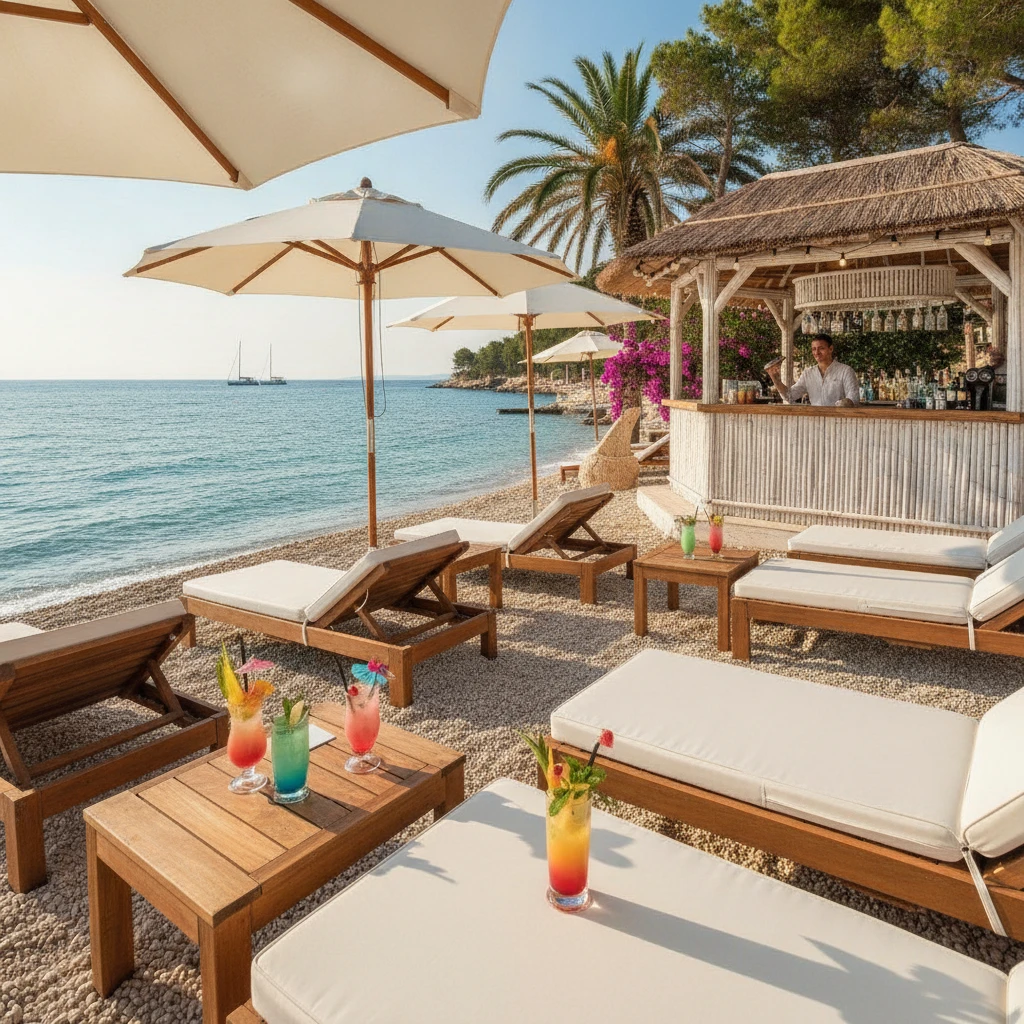
| Beach sunbed rental | 5.00 | 15.00 |
| Souvenir shopping | 5.00 | 50.00 |
Regional Price Variations (Islands vs Coastal vs Inland)
Prices in Croatia can vary significantly depending on the region. Coastal areas, particularly popular islands like Hvar and Korčula, tend to be more expensive due to high tourist demand. In contrast, inland areas and less-visited towns often offer more affordable options. For example:
- Hvar: Known for its nightlife and luxury, expect higher prices for dining and accommodation.
- Dubrovnik: A UNESCO World Heritage site, prices here can be inflated, especially in the Old Town.
- Split: Offers a mix of budget and luxury options, with reasonable prices in local eateries.
- Rovinj: A charming coastal town with a range of dining options, from affordable to upscale.
- Inland areas: Generally more budget-friendly, with local markets offering fresh produce at lower prices.
Insider Money-Saving Tips & Tourist Traps to Avoid
To make the most of your budget while traveling in Croatia, consider the following tips:
- Local Lunch Specials ('Marenda'): Many restaurants offer affordable lunch specials that can save you money.
- Grocery Shopping Hacks: Buy snacks and drinks at local supermarkets instead of tourist shops to save significantly.
- Avoid Dynamic Currency Conversion: Always choose to pay in Euros at ATMs and shops to avoid unfavorable exchange rates.
- Be Cautious of ATM Locations: Use ATMs located in banks to minimize fees and avoid potential scams.
- Tipping Etiquette: Familiarize yourself with local tipping customs to ensure you’re not over-tipping.
Payment Rules, Card Acceptance & Fiscal Receipts
In Croatia, it is essential to understand the fiscal law known as 'Fiskalni račun'. This law mandates that businesses provide a fiscal receipt for every transaction, which is crucial for tax purposes. Always ask for a receipt, especially when using a card, as it can help you track your expenses and resolve any disputes. While credit and debit cards are widely accepted, some smaller establishments may only take cash, particularly in rural areas or local markets.