Current Situation & Pricing Overview 2026 in Croatia
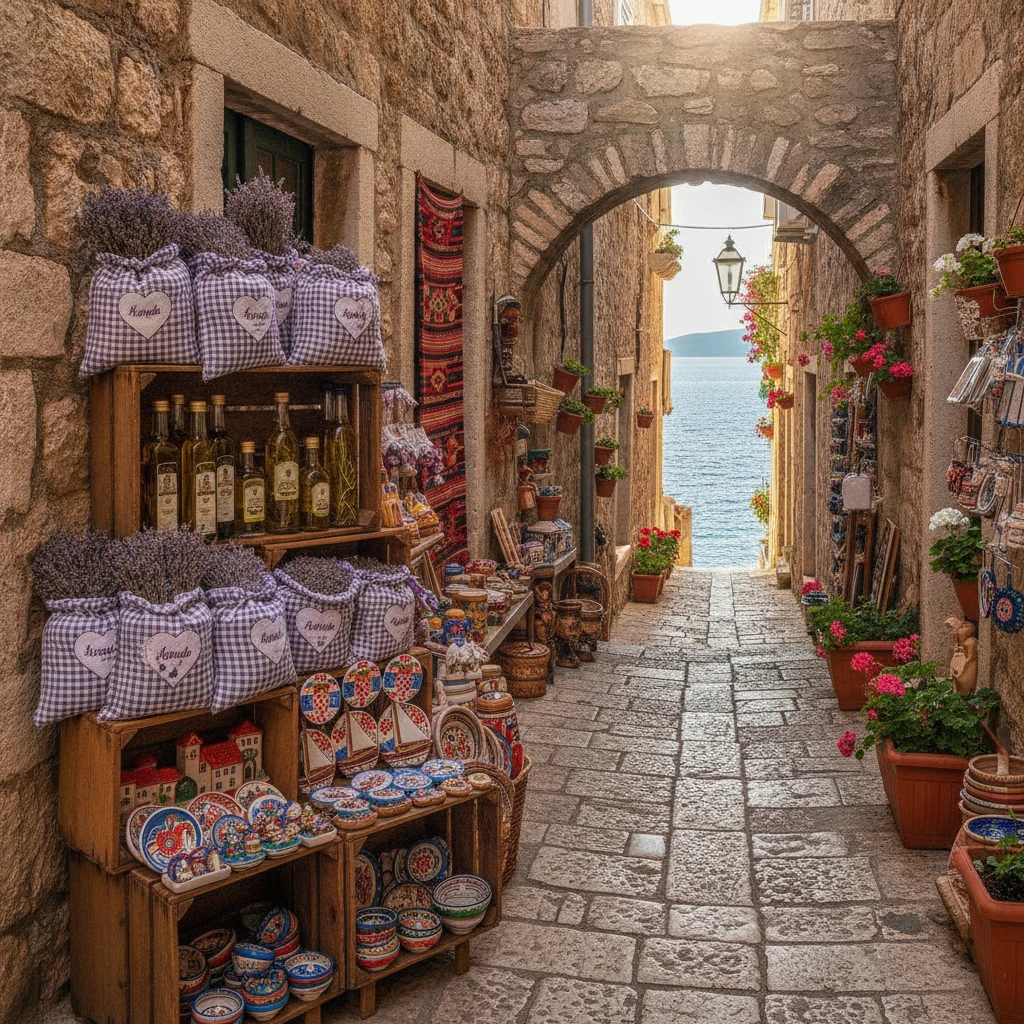
Since the adoption of the Euro in Croatia, prices for souvenirs and local gifts have seen a noticeable shift. Inflation has impacted various sectors, including the souvenir market, leading to a slight increase in costs. Tourists can expect to pay more for traditional items, especially in coastal areas where demand is high during the summer season. This guide aims to provide a realistic overview of what visitors can anticipate when shopping for souvenirs in 2026.
- Informative estimated average prices in Euros (€)
- Transparent low vs. high peak season price breakdown below
Comprehensive Price Breakdown & Comparison Table 2026
| Item | Low Season Price (€) | High Season Price (€) |
|---|---|---|
| Traditional Croatian Licitar Heart | 5 | 15 |
| Olive Oil (500ml) | 10 | 20 |
| Local Wine (750ml) | 8 | 25 |
| Handmade Pottery | 15 | 50 |
| Croatian Lavender Products | 7 | 30 |
| Sea Salt (500g) | 3 | 10 |
| Croatian Honey (500g) | 8 | 15 |
| T-shirts with Croatian Motifs | 10 | 25 |
| Jewelry (local designs) | 20 | 100 |
| Local Crafts (woven items) | 15 | 60 |
Regional Price Variations (Islands vs Coastal vs Inland)
Prices for souvenirs can vary significantly depending on the region. Coastal areas, especially popular tourist destinations like Dubrovnik and Split, tend to have higher prices due to increased demand. In contrast, islands such as Hvar and Korčula offer unique local crafts at more reasonable prices, particularly in local markets. Inland regions may provide even better deals, as they are less frequented by tourists.
Insider Money-Saving Tips & Tourist Traps to Avoid
- Look for 'Marenda': Many local eateries offer lunch specials called 'Marenda' that are affordable and delicious.
- Shop at Local Markets: Avoid tourist shops and head to local markets for authentic souvenirs at lower prices.
- Beware of Dynamic Currency Conversion: Always choose to pay in Euros when using a card to avoid unfavorable exchange rates.
- Ask for Fiscal Receipts: Always request a 'Fiskalni račun' to ensure your purchase is recorded and to avoid potential issues with returns.
- Know Your Tipping Etiquette: Tipping is appreciated but not obligatory; rounding up the bill is often sufficient.
Payment Rules, Card Acceptance & Fiscal Receipts
In Croatia, most establishments accept credit and debit cards, especially in urban areas and tourist destinations. However, smaller shops and markets may only accept cash. Croatian fiscal law requires businesses to issue a 'Fiskalni račun' (fiscal receipt) for all transactions, which is important for tax purposes. Always ask for a receipt to ensure your purchase is documented, especially for higher-value items.