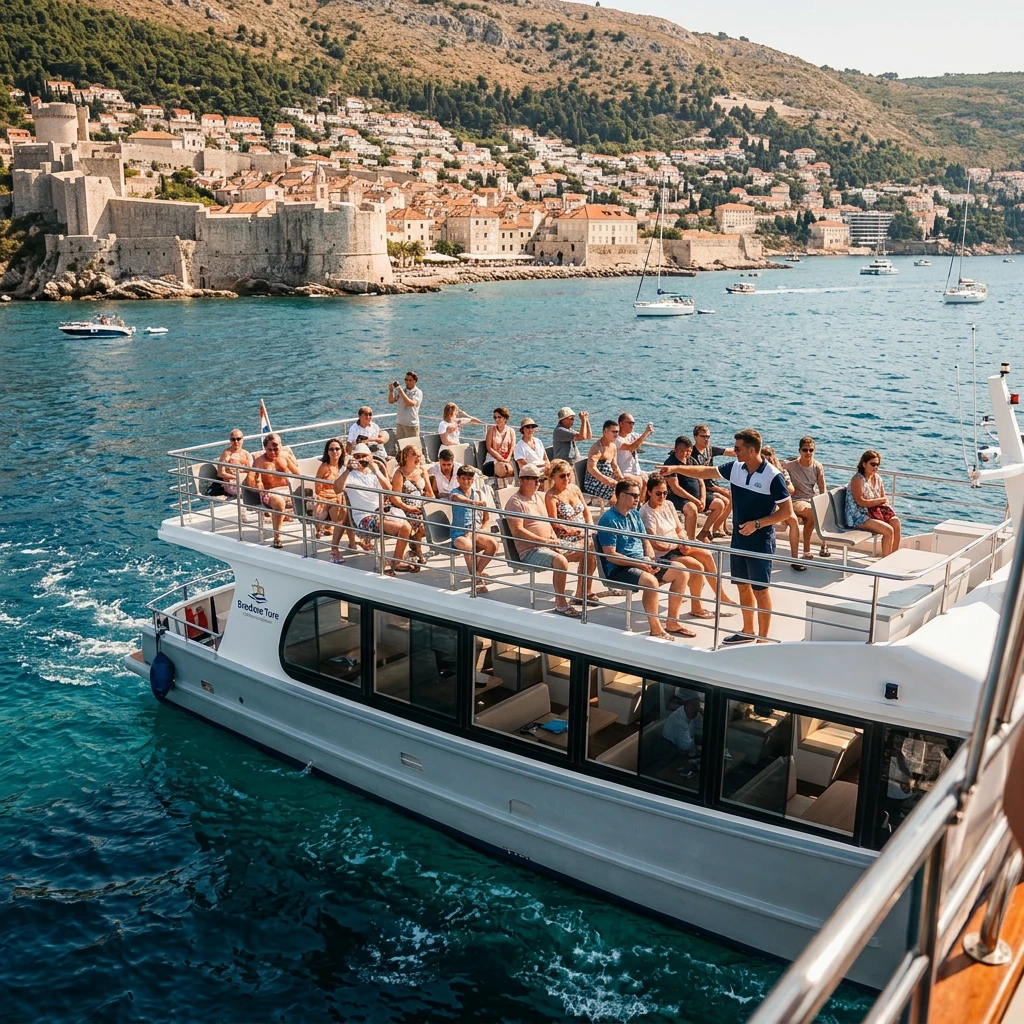
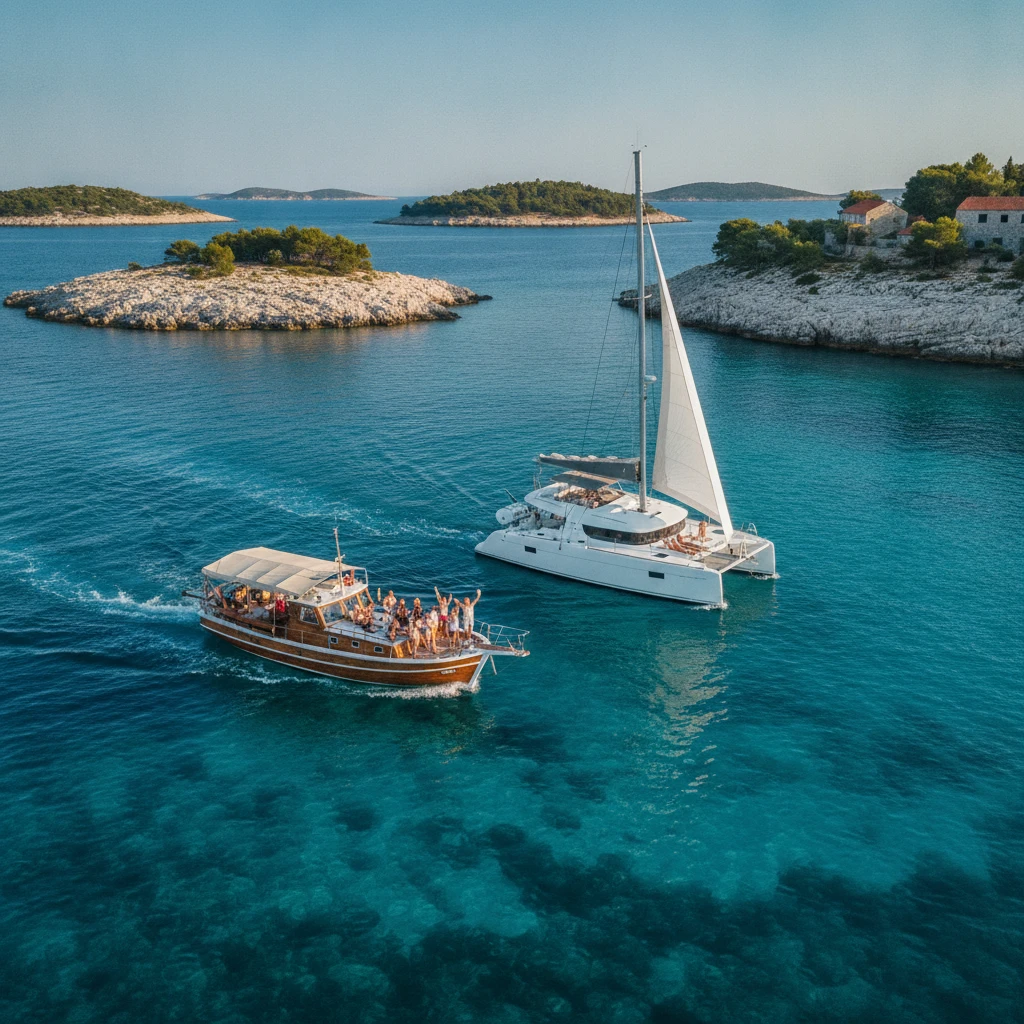
Current Situation & Pricing Overview 2026 in Croatia
As Croatia continues to attract international tourists, the vacation rental market has evolved significantly. Following the adoption of the Euro, many travelers have noticed a shift in pricing dynamics. Inflation and increased demand have led to a moderate rise in rental costs, particularly in popular coastal and island destinations. Visitors can expect to pay more during the high season, which typically runs from June to August, while the low season offers more budget-friendly options.
- Informative estimated average prices in Euros (€)
- Transparent low vs. high peak season price breakdown below
Comprehensive Price Breakdown & Comparison Table 2026
| Service | Low Season Price (€) | High Season Price (€) |
|---|---|---|
| Studio Apartment | 50 € – 80 € | 90 € – 150 € |
| 1-Bedroom Apartment | 70 € – 120 € | 130 € – 200 € |
| 2-Bedroom Apartment | 100 € – 180 € | 200 € – 300 € |
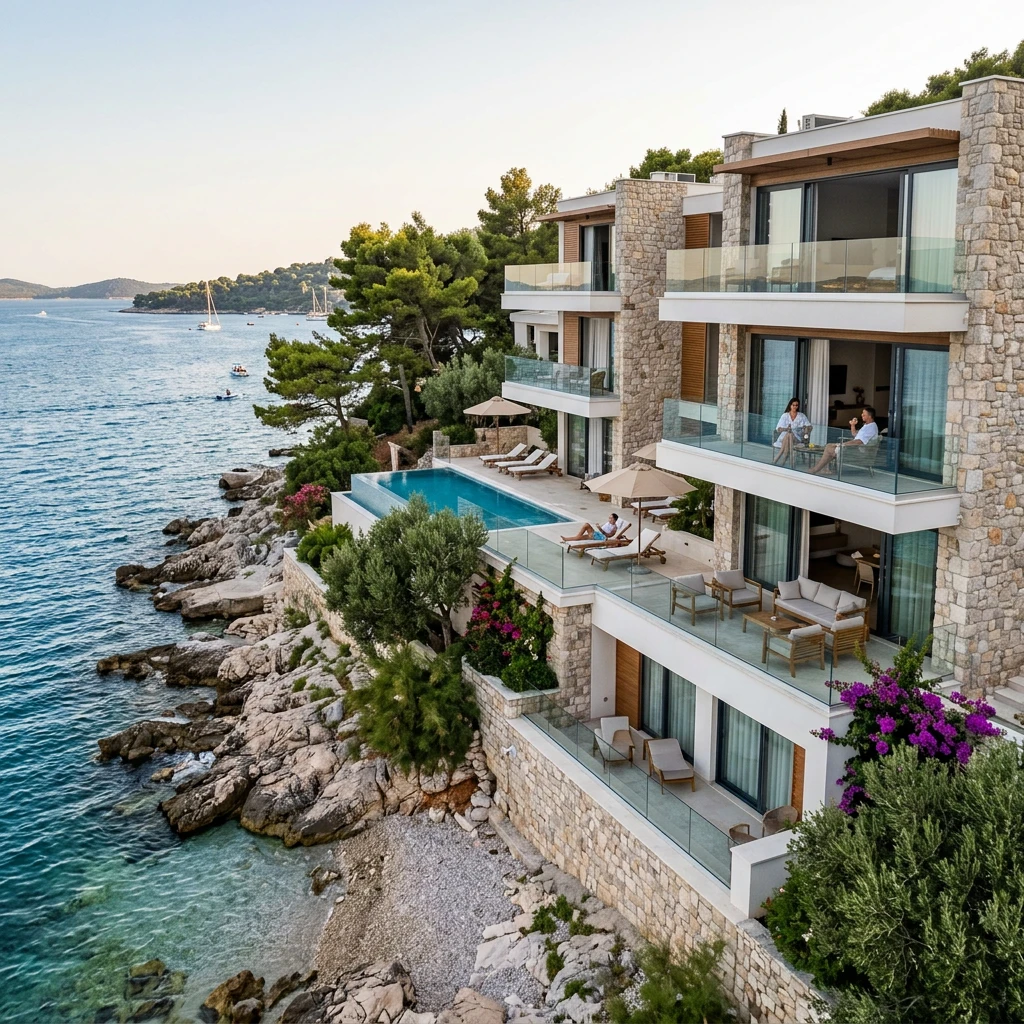
| Luxury Villa | 250 € – 500 € | 500 € – 1,000 € |
| Shared Hostel Dormitory | 15 € – 30 € | 15 € – 30 € |
| Camping (Tent Site) | 10 € – 25 € | 10 € – 25 € |
Regional Price Variations (Islands vs Coastal vs Inland)
Prices for vacation rentals can vary widely across different regions of Croatia. Coastal areas, particularly popular tourist hotspots like Dubrovnik and Split, tend to have higher rental prices due to their demand and amenities. For example, a 1-bedroom apartment in Dubrovnik can cost upwards of 150 € per night in the high season, while the same apartment in a less touristy inland town may only cost around 70 €.
Island destinations such as Hvar and Korčula also command premium prices, especially during the summer months when they are bustling with tourists. In contrast, more remote areas or lesser-known towns can offer significantly lower rates, making them ideal for budget travelers.
Insider Money-Saving Tips & Tourist Traps to Avoid
- Local Lunch Specials ('Marenda'): Many local restaurants offer affordable lunch specials that provide great value for money. Look for signs advertising 'Marenda' for budget-friendly meals.
- Grocery Shopping Hacks: Buy groceries at local markets or supermarkets instead of dining out for every meal. This can save you a significant amount, especially for breakfast and snacks.
- Avoid Dynamic Currency Conversion: When paying with a card, opt to pay in Euros rather than allowing the merchant to convert to your home currency, as this often incurs extra fees.
- ATM Traps: Use ATMs that are affiliated with banks to avoid high withdrawal fees. Always choose to be charged in local currency.
- Tipping Etiquette: Tipping is appreciated but not mandatory. A small tip of 10% is customary in restaurants if service is not included.
Payment Rules, Card Acceptance & Fiscal Receipts
In Croatia, it is essential to understand the local payment rules. Most establishments, especially in tourist areas, accept credit and debit cards. However, smaller shops and restaurants may only accept cash. Always request a fiscal receipt ('Fiskalni račun') when making purchases, as this is a legal requirement in Croatia and helps ensure that the transaction is recorded for tax purposes.
In summary, while Croatia offers a range of accommodation options to suit every budget, being informed about pricing trends, regional variations, and local customs can significantly enhance your travel experience.