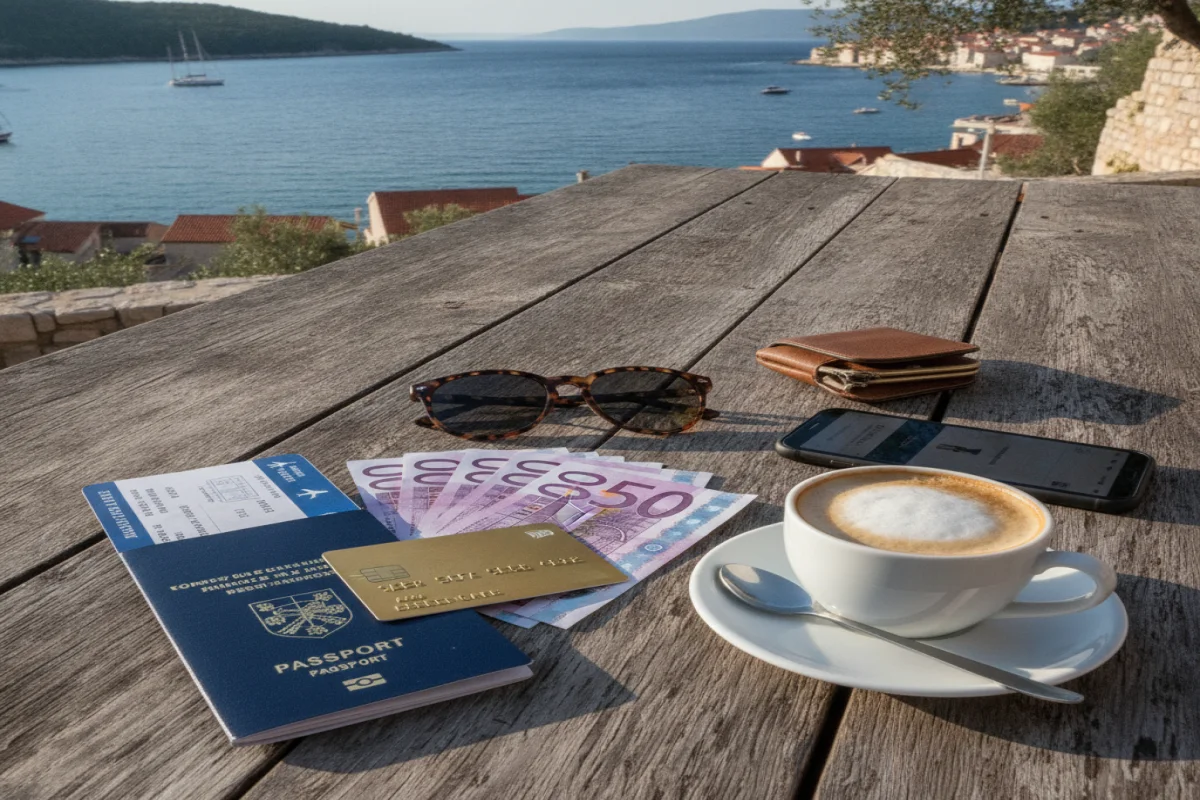
Current Situation & Pricing Overview 2026 in Croatia
As Croatia embraces the Euro, the beverage prices have seen a shift due to inflation and changing market dynamics. In 2026, tourists can expect to pay slightly more than in previous years, but the overall affordability remains attractive compared to Western Europe. The coastal and island regions, known for their vibrant nightlife and scenic views, offer a range of options from budget-friendly bars to upscale lounges.
- Informative estimated average prices in Euros (€)
- Transparent low vs. high peak season price breakdown below
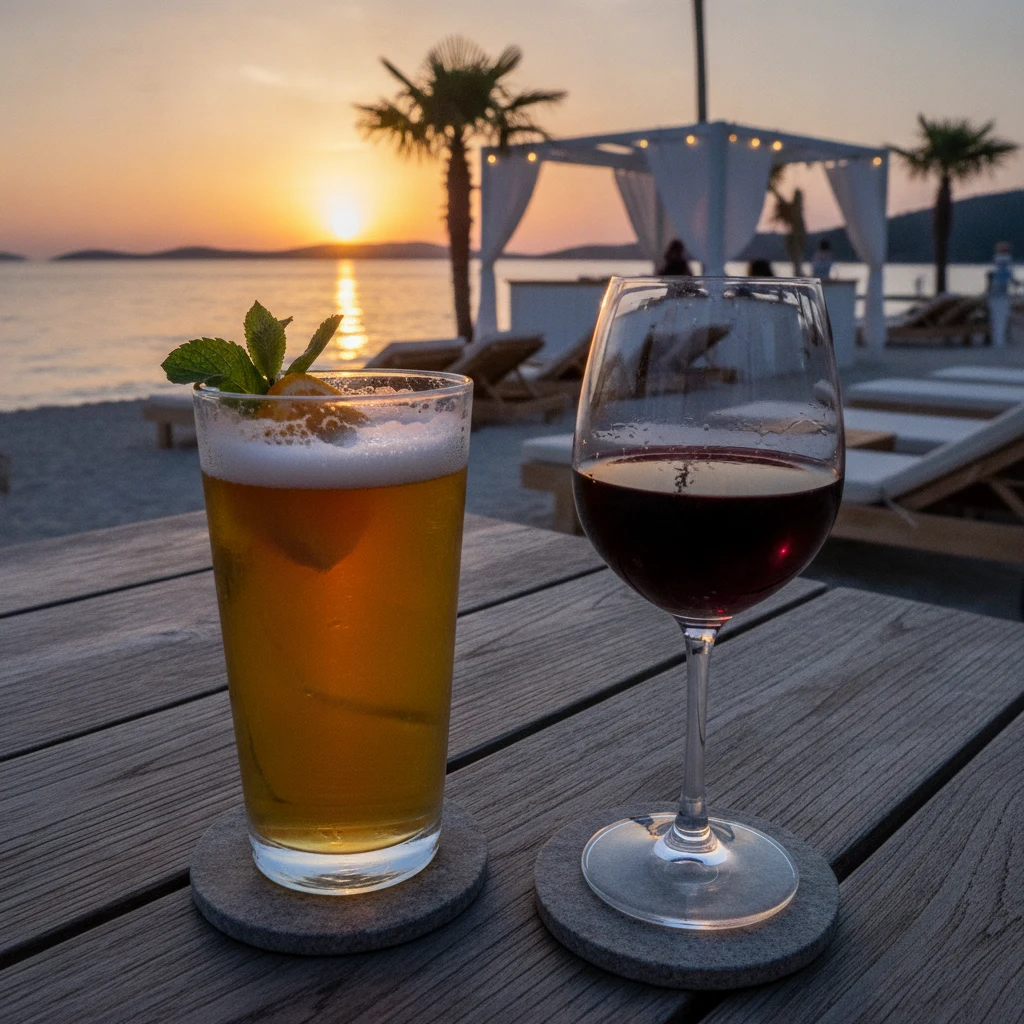
Comprehensive Price Breakdown & Comparison Table 2026
| Item | Low Season Price (€) | High Season Price (€) | Notes |
|---|---|---|---|
| Local Beer (0.5L) | 2 € | 5 € | Prices vary by location |
| Imported Beer (0.5L) | 3 € | 7 € | More common in tourist areas |
| House Wine (glass) | 2 € | 6 € | Quality varies |
| Quality Croatian Wine (bottle) | 10 € | 30 € | Local varieties recommended |
| Cocktail (standard) | 5 € | 12 € | Varies by venue |
| Craft Cocktail (premium) | 10 € | 20 € | Upscale bars |
| Soft Drink (0.5L) | 1 € | 3 € | Common in all venues |
| Coffee (espresso) | 1 € | 3 € | Popular choice |
Regional Price Variations (Islands vs Coastal vs Inland)
Prices for beer, wine, and cocktails can vary significantly across Croatia's diverse regions. Coastal areas, such as Dubrovnik and Split, tend to have higher prices due to their popularity among tourists. In contrast, islands like Hvar and Korčula may offer a mix of high-end and budget options, especially in smaller local bars. Inland areas typically present lower prices, making them ideal for budget-conscious travelers.
Insider Money-Saving Tips & Tourist Traps to Avoid
- Lunch Specials: Look for 'Marenda' deals in local eateries, which often include a drink at a lower price.
- Grocery Shopping: Purchase drinks from local supermarkets for significant savings compared to bar prices.
- Avoid Currency Conversion Fees: Use ATMs that dispense Euros directly and avoid dynamic currency conversion.
- Tipping Etiquette: While not mandatory, rounding up the bill or leaving small change is appreciated.
Payment Rules, Card Acceptance & Fiscal Receipts
In Croatia, it's essential to understand the local fiscal law ('Fiskalni račun'), which mandates that businesses provide a receipt for transactions. Most establishments accept credit and debit cards, but it's wise to carry some cash, especially in smaller towns or during off-peak seasons. Always ask for a receipt, as it can be necessary for warranty claims or disputes.