Current Situation & Pricing Overview 2026 in Croatia
As Croatia transitions fully into the Eurozone, seafood prices have seen a notable shift. The adoption of the Euro has brought about a standardization of prices across the country, although inflation has also played a role in increasing costs. In 2026, visitors can expect to pay more for seafood compared to previous years, particularly in tourist hotspots along the Adriatic coast. The vibrant marine life and the rich culinary traditions make seafood a staple in Croatian cuisine, with prices reflecting both quality and freshness.
- Informative estimated average prices in Euros (€)
- Transparent low vs. high peak season price breakdown below
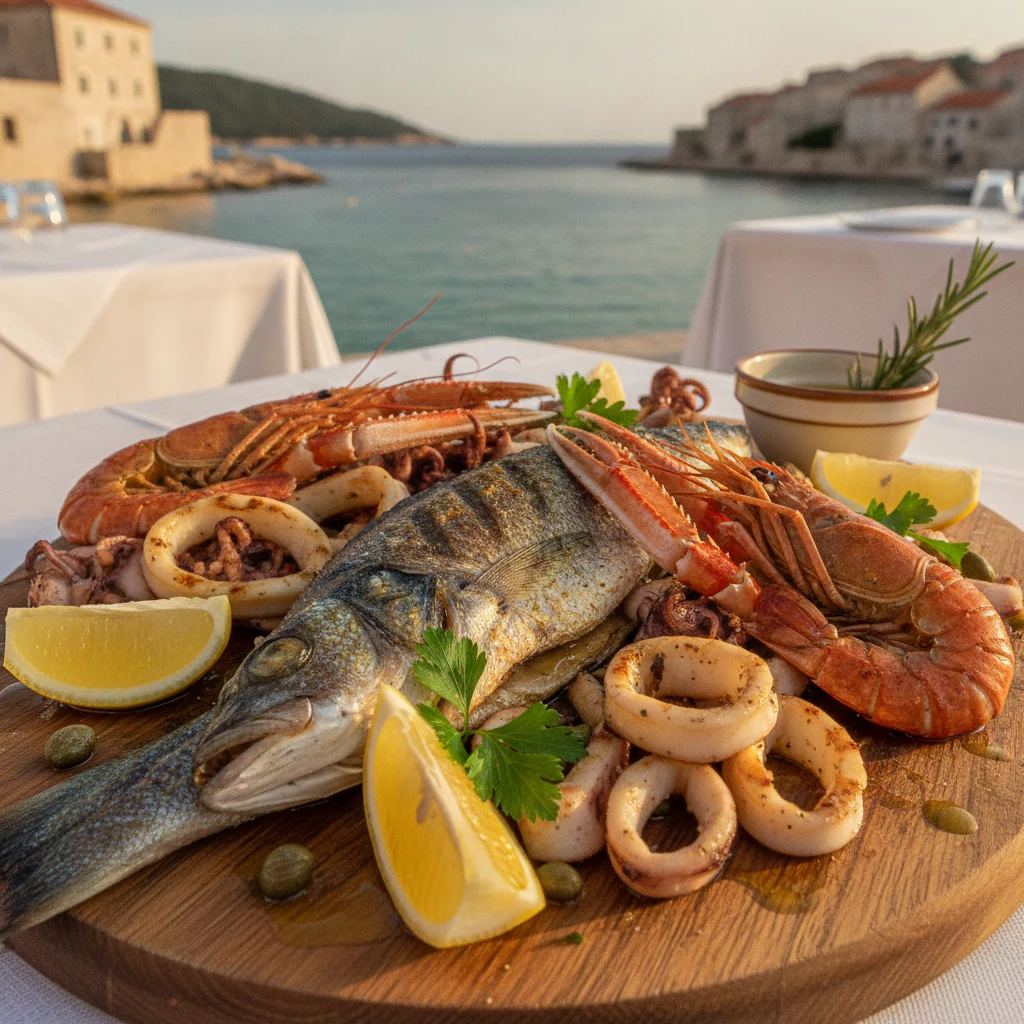
Comprehensive Price Breakdown & Comparison Table 2026
| Item | Low Season Price (€) | High Season Price (€) |
|---|---|---|
| Fresh Fish (per kg) | 15 € | 30 € |
| Seafood Platter (for two) | 40 € | 80 € |
| Grilled Octopus (per dish) | 12 € | 25 € |
| Shrimp (per kg) | 20 € | 35 € |
| Mussels (per kg) | 8 € | 15 € |
| Fish Soup (per bowl) | 6 € | 12 € |
| Tuna Steak (per dish) | 15 € | 30 € |
| Seafood Risotto (per dish) | 10 € | 20 € |
| Local Wine (per bottle) | 10 € | 30 € |
| Fried Calamari (per dish) | 8 € | 18 € |
Regional Price Variations (Islands vs Coastal vs Inland)
Price variations are notable across different regions in Croatia. Coastal areas, especially popular tourist destinations such as Dubrovnik, Split, and Rovinj, tend to have higher prices due to demand and the influx of tourists. In contrast, islands like Hvar and Korčula offer a mix of high-end dining and more affordable local taverns where prices can be more reasonable.
Inland areas, while not as famous for seafood, can also provide fresh options at lower prices. Local markets often feature seafood at competitive rates, making it a great option for budget-conscious travelers.
Insider Money-Saving Tips & Tourist Traps to Avoid
- Local Lunch Specials ('Marenda'): Many restaurants offer 'Marenda' deals, which are affordable lunch specials that provide great value for money.
- Grocery Shopping Hacks: Purchase fresh seafood from local markets rather than touristy restaurants to save money.
- Avoid Dynamic Currency Conversion: When using ATMs or paying with cards, opt for transactions in Euros to avoid unfavorable exchange rates.
- Tipping Etiquette: While tipping is appreciated, it’s not mandatory. A small tip of around 10% is customary in restaurants.
- Explore Lesser-Known Eateries: Venture away from tourist hotspots to find hidden gems that offer authentic seafood at lower prices.
Payment Rules, Card Acceptance & Fiscal Receipts
In Croatia, it is important to understand the fiscal law known as 'Fiskalni račun'. This law mandates that all businesses provide a fiscal receipt for transactions, which is crucial for tax purposes. Most restaurants and seafood vendors accept credit cards, but it’s wise to carry cash, especially in smaller towns or markets.
Always ask for a receipt after your purchase, as it not only serves as proof of payment but also ensures that the business is complying with local regulations. This practice supports the local economy and helps maintain fair pricing.