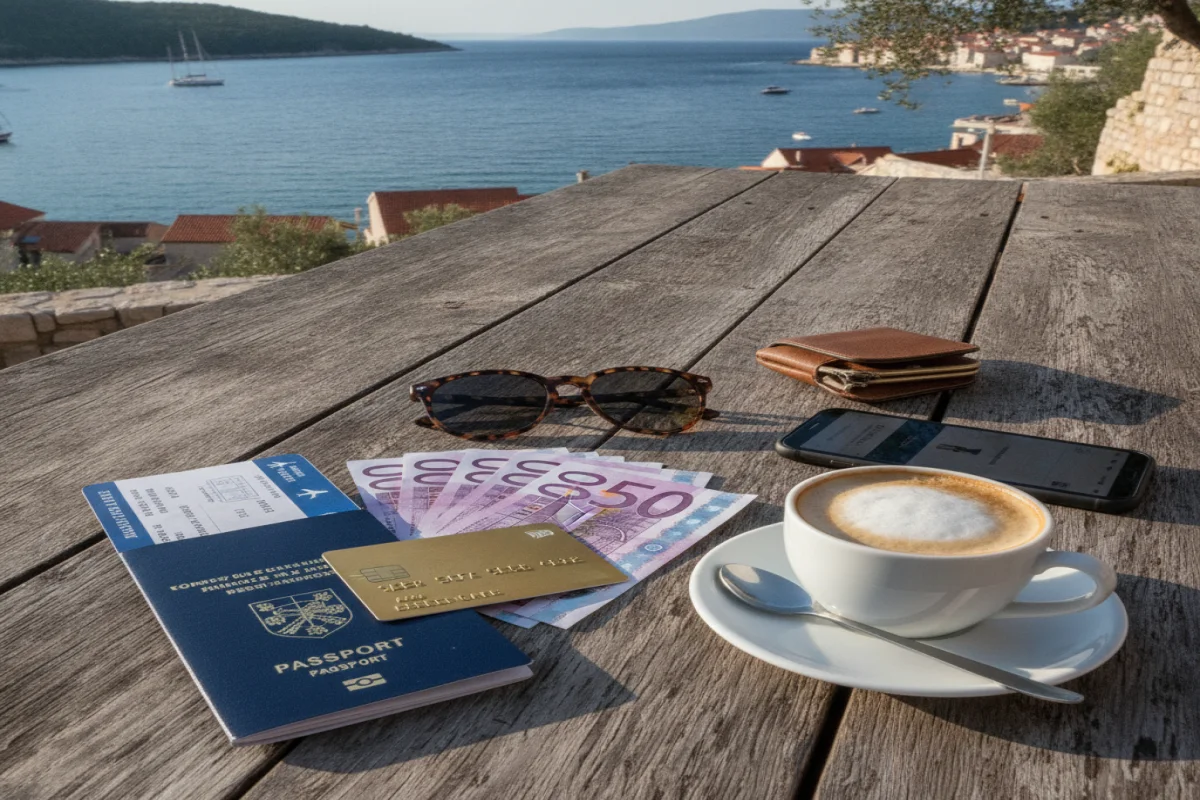
Current Situation & Pricing Overview 2026 in Croatia
As Croatia continues to embrace its rich cultural heritage, the pricing for museums, fortresses, and historical sites has seen a notable shift since the adoption of the Euro. In 2026, tourists can expect to pay slightly higher fees compared to previous years, reflecting inflation and the increased cost of maintaining these historical sites. However, the prices remain competitive compared to other European destinations, making Croatia an attractive option for history enthusiasts.
- Informative estimated average prices in Euros (€)
- Transparent low vs. high peak season price breakdown below
Comprehensive Price Breakdown & Comparison Table 2026
| Service | Low Season (€) | High Season (€) | Notes |
|---|---|---|---|
| Dubrovnik City Walls | 30 | 40 | Peak in summer months |
| Split Diocletian's Palace | 15 | 25 | Discounts for students |
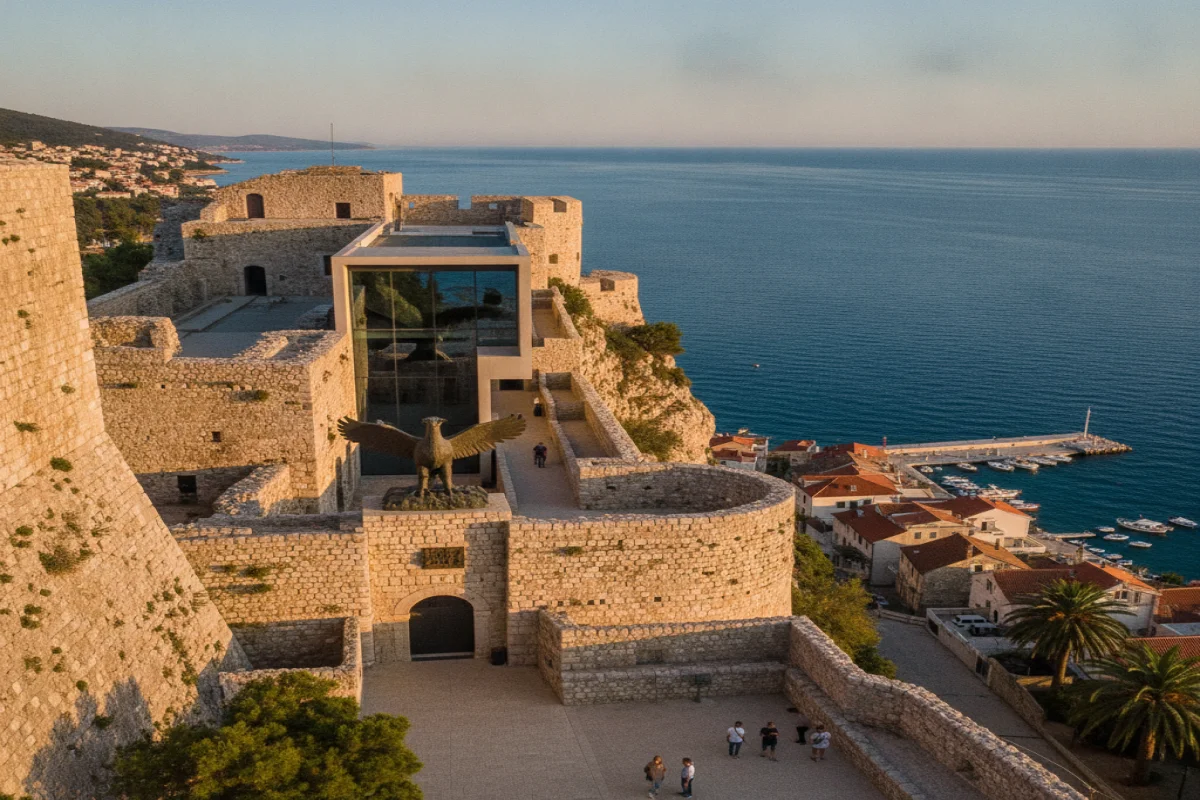
| Hvar Fortress | 5 | 10 | Free entry on certain days |
| Zagreb Museum of Broken Relationships | 10 | 15 | Unique exhibits |
| Pula Arena | 10 | 20 | Concerts may have higher fees |
| Korčula Town Museum | 6 | 12 | Family discounts available |
| Rovinj Heritage Museum | 8 | 15 | Free on first Sunday of the month |
| Trogir Historic City Center | 10 | 15 | Combined tickets available |
| Sibenik Cathedral | 5 | 10 | Free entry on certain religious holidays |
| National Park Krka | 15 | 25 | Includes access to waterfalls |
Regional Price Variations (Islands vs Coastal vs Inland)
Pricing for historical sites in Croatia can vary significantly based on location. Coastal areas, particularly tourist hotspots like Dubrovnik and Split, tend to have higher entry fees due to their popularity and the influx of visitors. In contrast, inland regions and lesser-known islands may offer more affordable options. For example, Hvar and Korčula, while beautiful, often have lower fees compared to the bustling streets of Dubrovnik.
Insider Money-Saving Tips & Tourist Traps to Avoid
- Lunch Specials: Look for 'Marenda' deals in local eateries, offering affordable meals for tourists.
- Grocery Shopping: Purchase snacks and drinks at local supermarkets instead of tourist shops to save money.
- ATM Traps: Avoid dynamic currency conversion at ATMs; always choose to pay in Euros.
- Tipping Etiquette: While not mandatory, rounding up the bill or leaving a small tip is appreciated in restaurants.
Payment Rules, Card Acceptance & Fiscal Receipts
In Croatia, it is essential to understand the local payment rules. Most establishments accept credit and debit cards, but carrying some cash is advisable, especially in rural areas. Croatian fiscal law mandates that businesses provide a fiscal receipt (Fiskalni račun) for every transaction, which is important for tax purposes. Always ask for a receipt to avoid any issues with your expenses.