Current Situation & Pricing Overview 2026 in Croatia
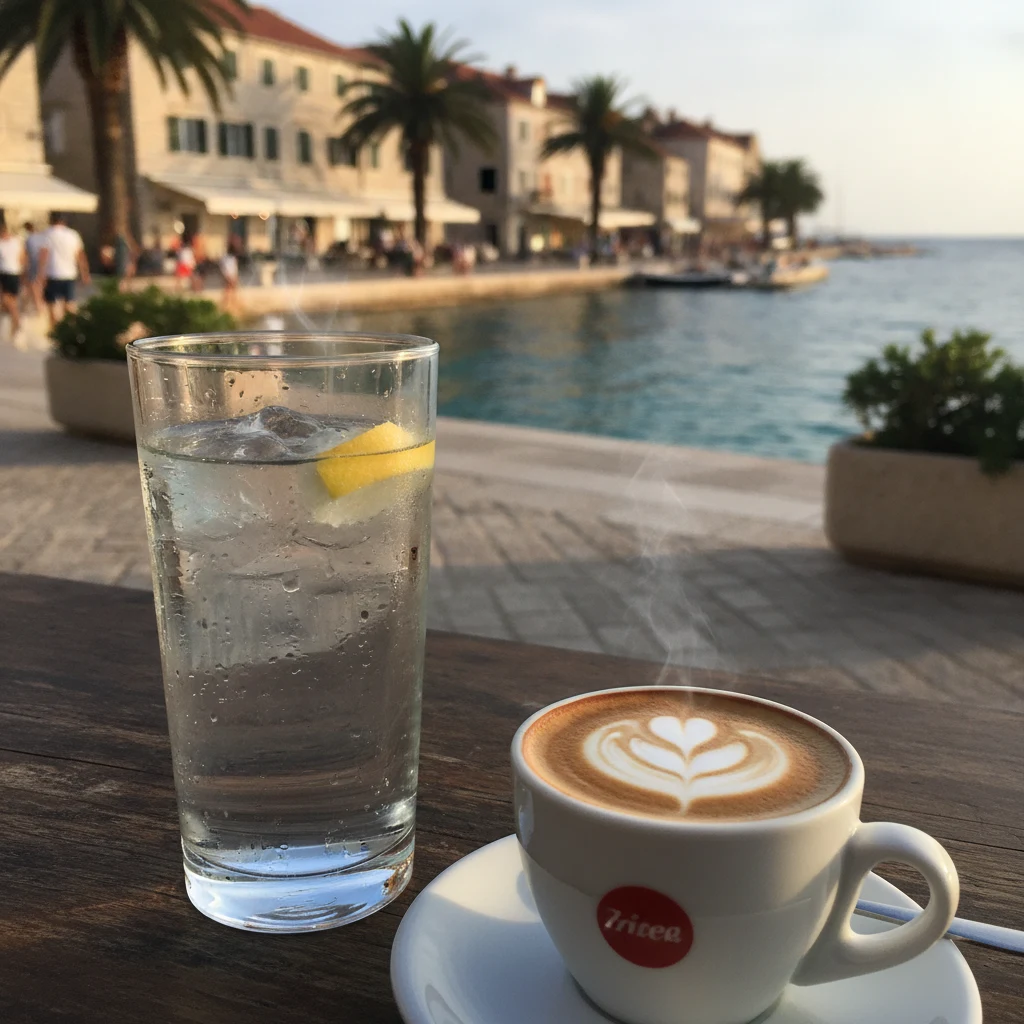
As Croatia embraces the Euro, the coffee and soft drink prices have seen a notable shift. With inflation and the transition to the Euro, visitors can expect to pay slightly more than in previous years. However, the quality of coffee and beverages remains high, making it a worthwhile experience for tourists. In 2026, the average cost for a cup of coffee ranges from 1.50 € to 4.50 €, depending on the location and type of drink.
- Informative estimated average prices in Euros (€)
- Transparent low vs. high peak season price breakdown below
Comprehensive Price Breakdown & Comparison Table 2026
| Item | Low Season Price (€) | High Season Price (€) | Budget Range (€) | Luxury Range (€) |
|---|---|---|---|---|
| Espresso | 1.50 | 3.00 | 1.50 - 2.00 | 2.50 - 3.00 |
| Cappuccino | 2.00 | 4.00 | 2.00 - 2.50 | 3.50 - 4.00 |
| Soft Drink | 1.50 | 3.50 | 1.50 - 2.00 | 3.00 - 3.50 |
| Craft Beer | 3.00 | 5.00 | 3.00 - 4.00 | 4.50 - 5.00 |
| Fresh Juice | 3.00 | 5.00 | 3.00 - 4.00 | 4.50 - 5.00 |
Regional Price Variations (Islands vs Coastal vs Inland)
Prices can vary significantly across different regions of Croatia. Coastal areas, particularly popular tourist destinations like Dubrovnik and Split, tend to have higher prices due to demand. In contrast, smaller towns and inland areas offer more budget-friendly options. For instance, on the islands like Hvar and Korčula, expect to pay a premium for drinks at beachfront cafes compared to local establishments further inland.
Insider Money-Saving Tips & Tourist Traps to Avoid
- Look for 'Marenda': Many cafes offer a local lunch special called 'Marenda' at reduced prices, usually including a drink.
- Shop at Supermarkets: For soft drinks and snacks, supermarkets often have better prices than cafes.
- Avoid Tourist Traps: Be cautious of cafes with menus in multiple languages and aggressive marketing; they often charge higher prices.
- Dynamic Currency Conversion: When using ATMs, avoid opting for currency conversion; always choose to pay in Euros to avoid extra fees.
- Tipping Etiquette: While not mandatory, a small tip of around 10% is appreciated for good service.
Payment Rules, Card Acceptance & Fiscal Receipts
In Croatia, it is common to pay with credit or debit cards, especially in urban areas and tourist hotspots. However, smaller establishments may only accept cash. Always ask for a fiscal receipt ('Fiskalni račun') when making a purchase, as it is required by law and can be useful for any disputes or refunds. Being aware of these payment practices will ensure a smoother experience during your travels.