Current Situation & Pricing Overview 2026 in Croatia
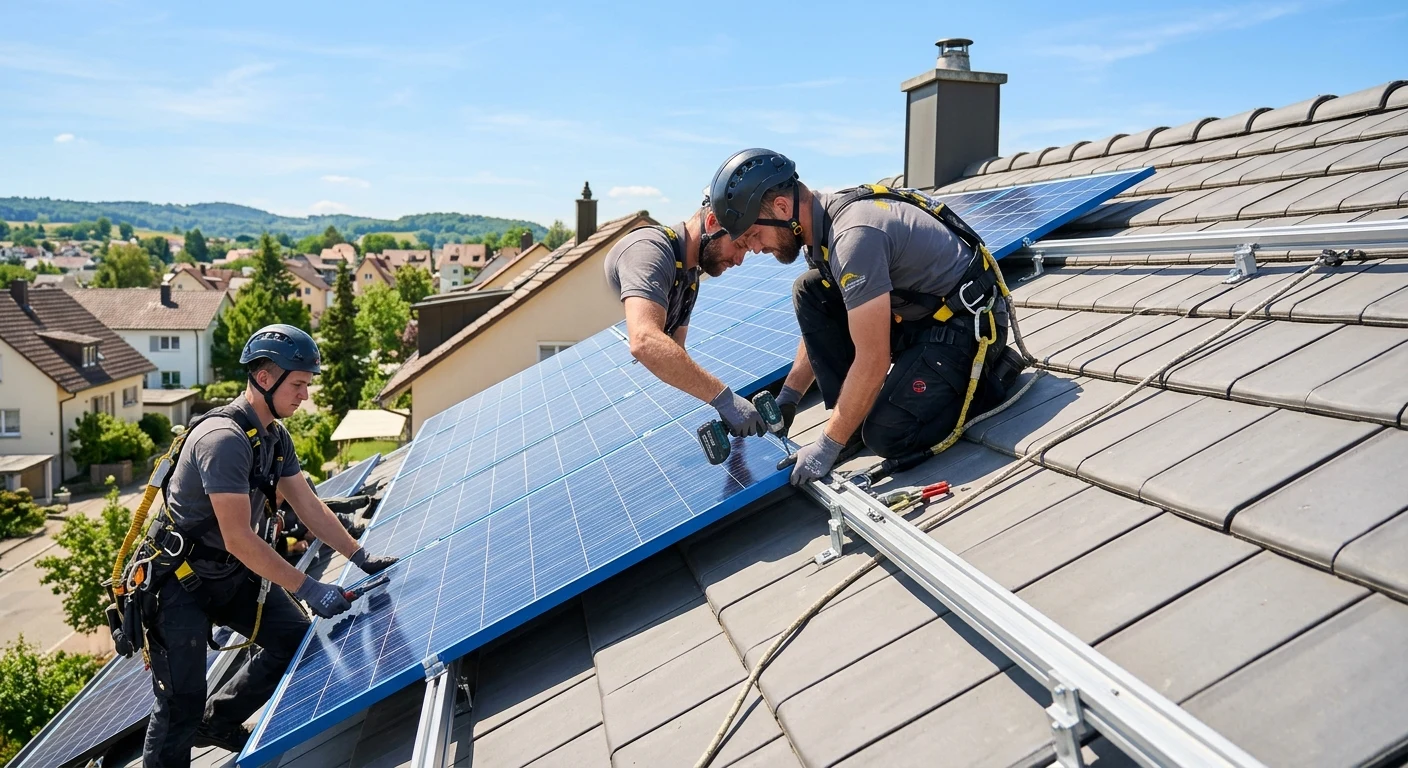
As Croatia transitions to a greener economy, solar panel installation has gained traction among homeowners and businesses alike. Following the adoption of the Euro, the cost of solar energy systems has seen a slight increase due to inflation and rising demand. In 2026, potential investors can expect to pay between 5,000 € and 15,000 € for residential installations, depending on system size and complexity. Coastal regions, known for their sunny weather, are particularly advantageous for solar energy generation.
- Informative estimated average prices in Euros (€)
- Transparent low vs. high peak season price breakdown below
Comprehensive Price Breakdown & Comparison Table 2026
| Service | Low Season Price (€) | High Season Price (€) |
|---|---|---|
| Residential Solar Panel Installation | 5,000 € | 15,000 € |
| Commercial Solar Panel Installation | 15,000 € | 50,000 € |
| Solar Panel Maintenance | 200 € | 500 € |
| Battery Storage Systems | 3,000 € | 10,000 € |
| Inverter Replacement | 1,000 € | 3,000 € |
| Consultation Services | 100 € | 300 € |
Regional Price Variations (Islands vs Coastal vs Inland)
Prices for solar panel installation can vary significantly across different regions of Croatia. Coastal areas such as Dubrovnik and Split tend to have higher installation costs due to increased demand and tourism. Islands like Hvar and Korčula may also see elevated prices, particularly for transportation and logistics. In contrast, inland regions generally offer lower prices, making them attractive for budget-conscious buyers.
Insider Money-Saving Tips & Tourist Traps to Avoid
- Local Lunch Specials: Look for 'Marenda' specials in local eateries, which offer affordable meals.
- Grocery Shopping Hacks: Purchase groceries at local markets instead of touristy shops for better prices.
- ATM Traps: Avoid dynamic currency conversion at ATMs; always choose to be charged in local currency.
- Tipping Etiquette: Tipping is appreciated but not mandatory; rounding up the bill is common.
Payment Rules, Card Acceptance & Fiscal Receipts
In Croatia, cash is still widely used, but credit and debit cards are accepted in most establishments, especially in tourist areas. It’s important to request a 'Fiskalni račun' (fiscal receipt) for any purchase over 100 kuna, as this is required by Croatian law for tax purposes. Always check if the establishment accepts cards before making a purchase to avoid inconvenience.