Current Situation & Pricing Overview 2026 in Croatia
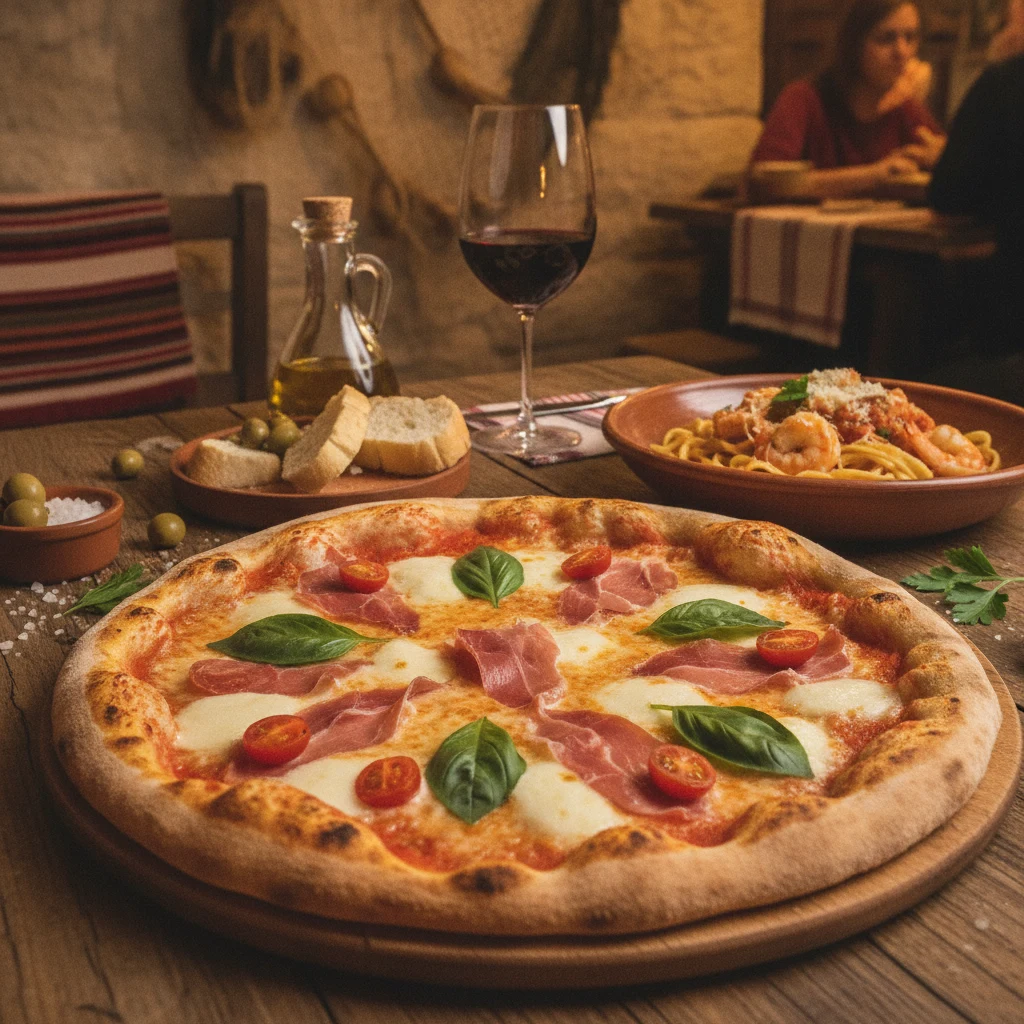
As of 2026, Croatia has fully adopted the Euro, leading to a significant shift in the pricing landscape for dining, particularly for beloved dishes like pizza and pasta. The transition has brought about a moderate inflation rate, with prices reflecting both the cost of ingredients and the tourist demand in coastal regions. Visitors can expect to pay between 8 € and 25 € for pizza and pasta, depending on the location and type of establishment.
- Informative estimated average prices in Euros (€)
- Transparent low vs. high peak season price breakdown below
Comprehensive Price Breakdown & Comparison Table 2026
| Dish | Low Season Price (€) | High Season Price (€) |
|---|---|---|
| Margherita Pizza | 8 € | 15 € |
| Pepperoni Pizza | 10 € | 18 € |
| Seafood Pasta | 12 € | 25 € |
| Penne Arrabbiata | 9 € | 16 € |
| Lasagna | 10 € | 20 € |
| Pasta Primavera | 8 € | 15 € |
| Pizza Calzone | 10 € | 17 € |
| Gnocchi with Pesto | 9 € | 18 € |
Regional Price Variations (Islands vs Coastal vs Inland)
Prices for pizza and pasta can vary significantly across Croatia's diverse regions. In popular coastal towns like Dubrovnik and Split, expect to pay a premium due to high tourist traffic. For example, a Margherita pizza may cost around 15 € in Dubrovnik, while the same dish could be found for as low as 8 € in less touristy inland areas. Islands such as Hvar and Korčula also see higher prices, particularly in peak season, where a seafood pasta dish can reach up to 25 €.
Insider Money-Saving Tips & Tourist Traps to Avoid
- Lunch Specials: Look for 'Marenda' specials, which are local lunch deals often offering substantial discounts.
- Grocery Shopping: Consider buying ingredients from local markets for a DIY meal, which can be both fun and budget-friendly.
- ATM Traps: Avoid dynamic currency conversion at ATMs; always choose to be charged in Euros to avoid extra fees.
- Tipping Etiquette: While not mandatory, rounding up the bill or leaving a 10% tip is appreciated in restaurants.
Payment Rules, Card Acceptance & Fiscal Receipts
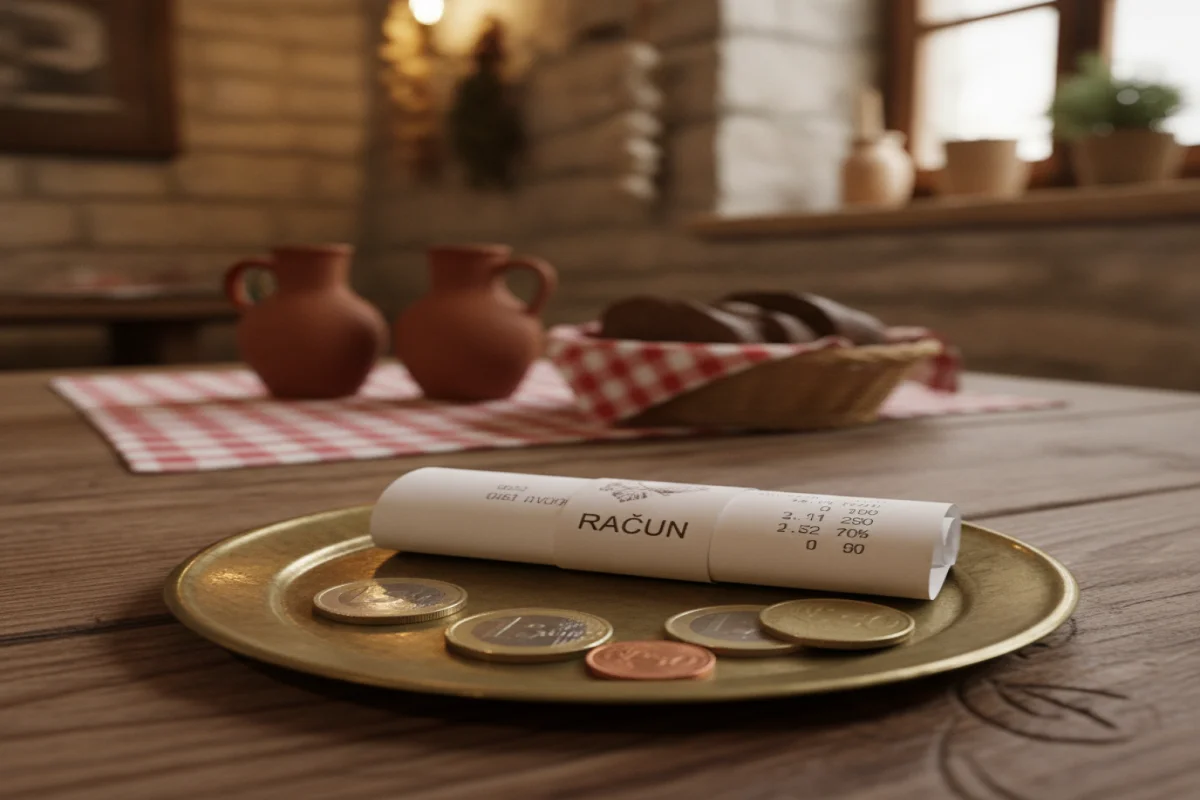
In Croatia, it is common for restaurants to accept both cash and cards. However, smaller establishments may prefer cash, especially in rural areas. Croatian fiscal law mandates that businesses provide a 'Fiskalni račun' (fiscal receipt) for every transaction, which is important for tax purposes. Always ask for a receipt to ensure your transaction is recorded properly.