Current Situation & Pricing Overview 2026 in Croatia
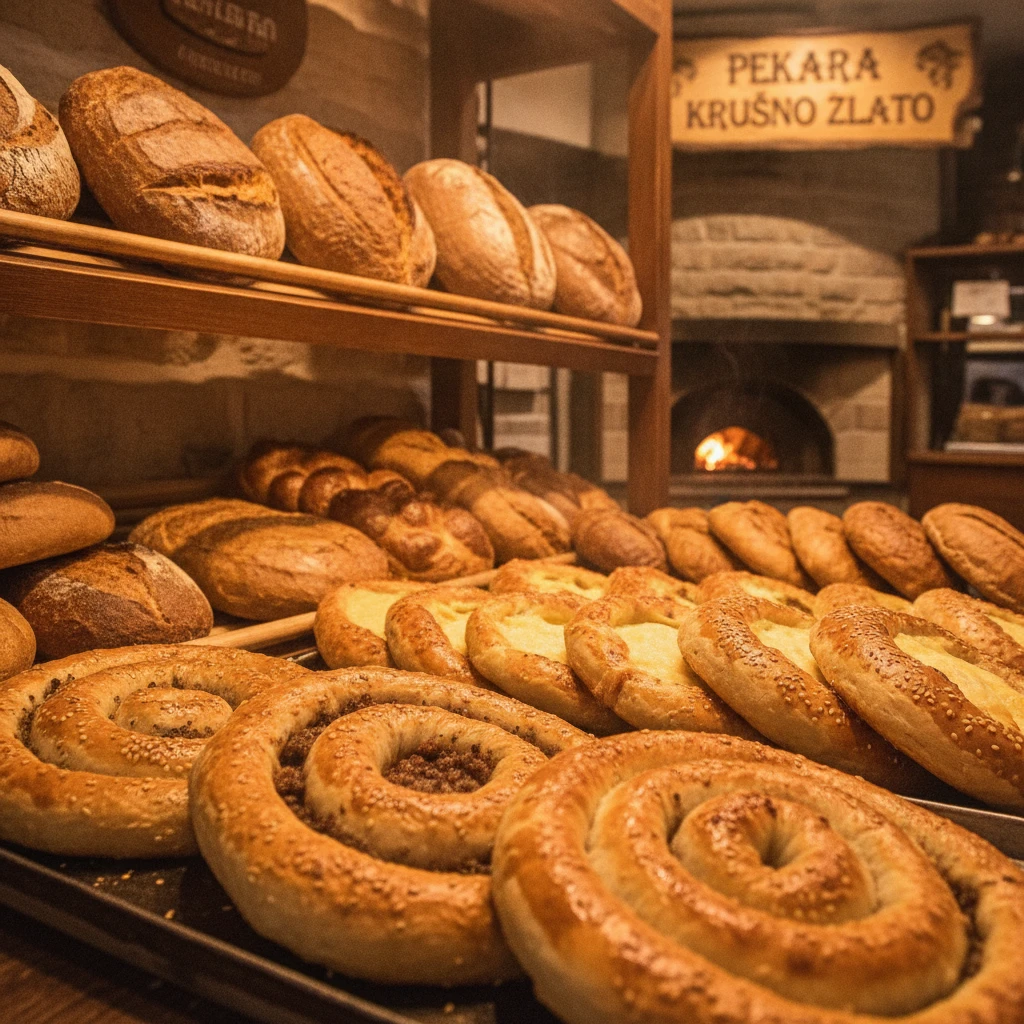
As Croatia continues to embrace its status as a premier tourist destination, the culinary landscape has evolved significantly, particularly after the adoption of the Euro. Prices for street food, especially beloved items like Burek and various pastries, have seen a slight increase due to inflation and the rising cost of ingredients. Visitors can expect to pay between 2.50 € and 5 € for a piece of Burek, depending on the filling and location.
The vibrant street food scene, especially along the stunning coastal areas and islands, offers a delightful mix of flavors that reflect the rich cultural heritage of Croatia. Tourists should be prepared for a range of prices that vary by season, with higher costs during the summer months when demand peaks.
- Informative estimated average prices in Euros (€)
- Transparent low vs. high peak season price breakdown below
Comprehensive Price Breakdown & Comparison Table 2026
| Food Item | Low Season Price (€) | High Season Price (€) |
|---|---|---|
| Burek (meat) | 3 | 5 |
| Burek (cheese) | 2.50 | 4 |
| Croatian Pastries (Kiflice) | 1.50 | 3 |
| Fried Fish (Street Vendor) | 5 | 10 |
| Grilled Sausages (Čevapi) | 6 | 12 |
| Local Beer (0.5L) | 2 | 4 |
| Coffee (Espresso) | 1.50 | 3 |
| Ice Cream (Scoop) | 1 | 2.50 |
| Palačinke (Crepes) | 2 | 5 |
| Local Wine (Glass) | 3 | 6 |
Regional Price Variations (Islands vs Coastal vs Inland)
Prices for street food can vary significantly across different regions of Croatia. In coastal areas, particularly in tourist hotspots like Dubrovnik and Split, prices tend to be on the higher end due to the influx of visitors. For example, a Burek may cost around 5 € in Dubrovnik, while the same item could be found for 3 € in less touristy towns.
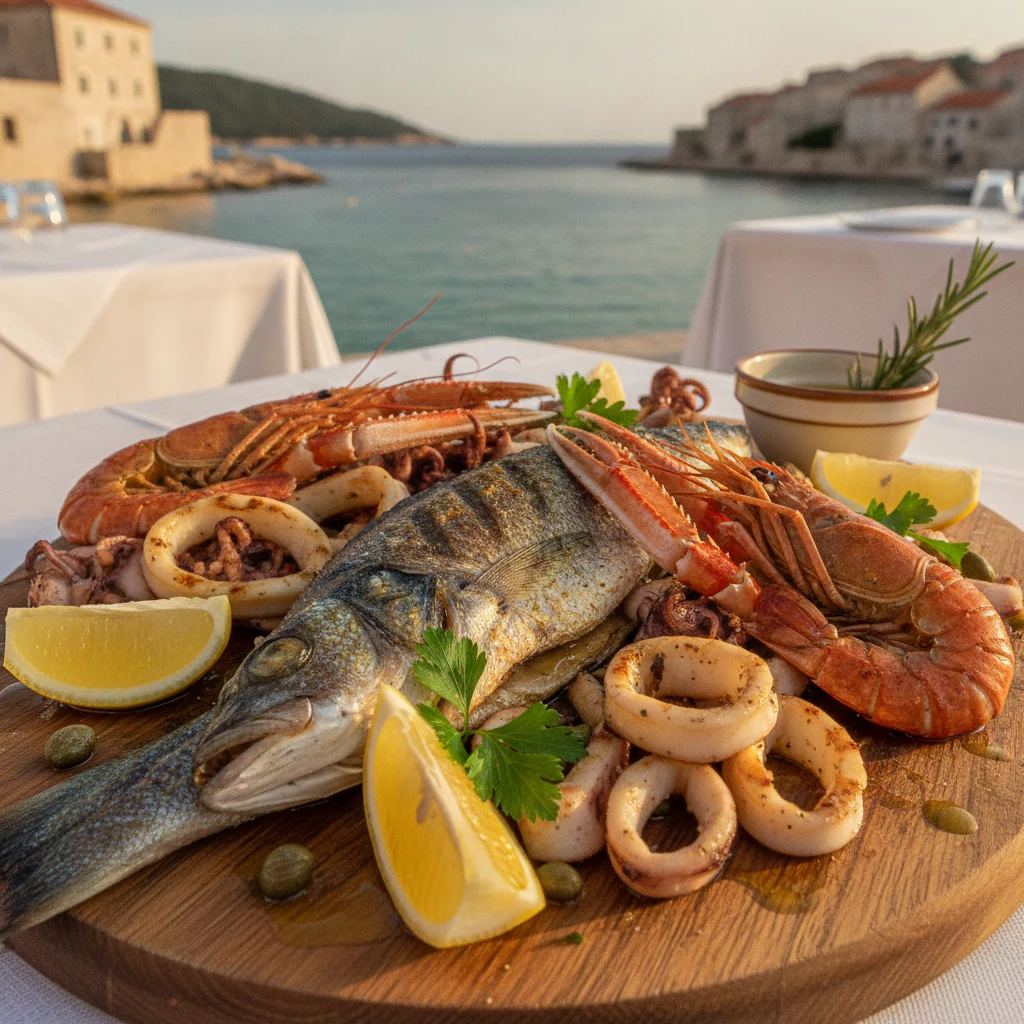
On the islands, such as Hvar and Korčula, expect to pay a premium for fresh seafood and local specialties, with prices reflecting the cost of transportation and limited supply. Inland areas, however, often provide more budget-friendly options, making them ideal for travelers looking to save while enjoying authentic Croatian cuisine.
Insider Money-Saving Tips & Tourist Traps to Avoid
- Look for 'Marenda': Many local eateries offer lunch specials called 'Marenda' that provide great value for money.
- Grocery Shopping: Consider buying snacks and drinks from local markets instead of tourist shops to save money.
- Avoid Dynamic Currency Conversion: When using ATMs, always choose to be charged in the local currency (EUR) to avoid unfavorable exchange rates.
- Tipping Etiquette: Tipping is appreciated but not mandatory; rounding up the bill or leaving a small tip is customary.
- Street Food Markets: Seek out local street food markets for authentic dishes at lower prices compared to restaurants.
Payment Rules, Card Acceptance & Fiscal Receipts
In Croatia, it is essential to understand the local fiscal laws, known as 'Fiskalni račun.' Vendors are required to issue a fiscal receipt for every transaction, which is important for tax purposes. Always ask for a receipt, especially if you are paying in cash.
While credit and debit cards are widely accepted in urban areas and tourist spots, smaller vendors may prefer cash. It’s advisable to carry some cash for street food purchases, particularly in less touristy regions.