Current Situation & Pricing Overview 2026 in Croatia
As Croatia continues to embrace its Euro adoption, the coffee and soft drink prices have seen a notable shift. The inflationary trends observed post-Euro introduction have led to slight increases in beverage prices, particularly in tourist hotspots. Visitors can expect to pay a bit more during the high season, especially in coastal areas and islands, where demand surges.
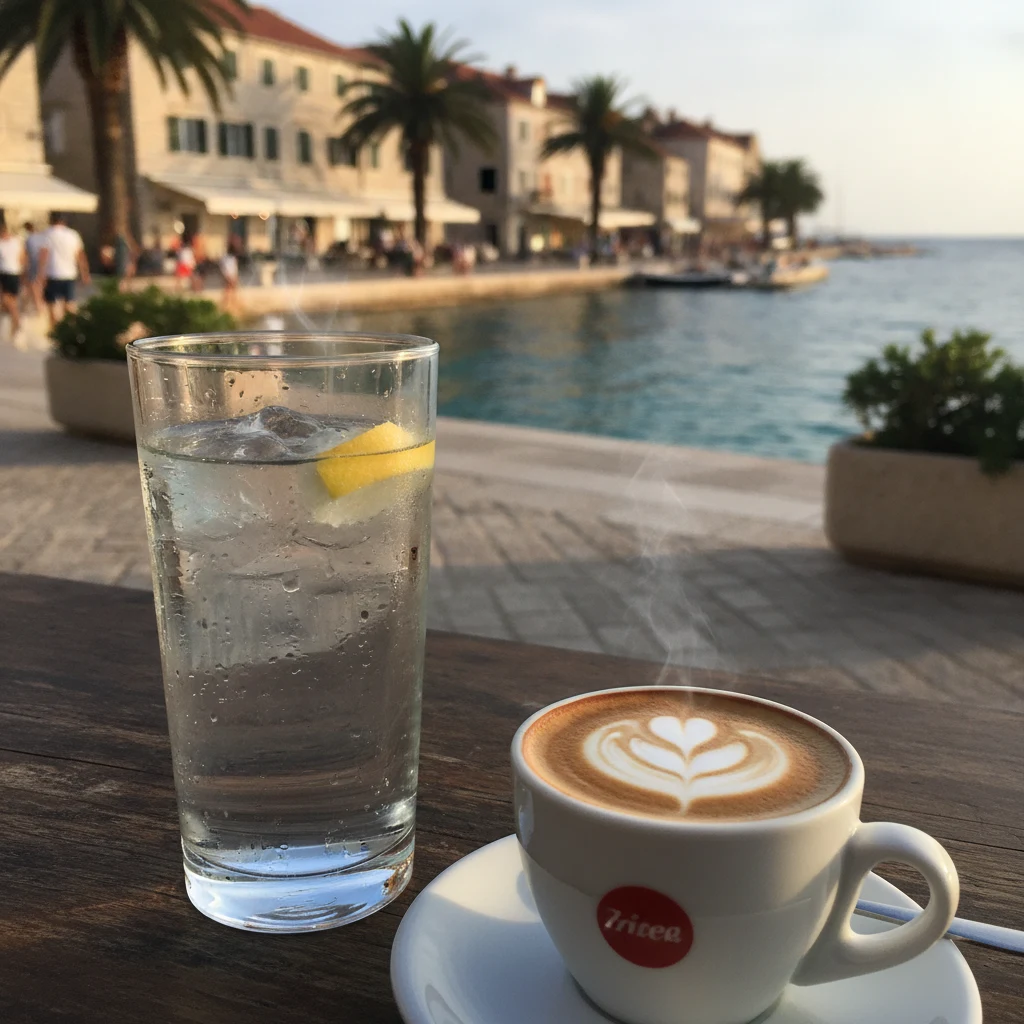
In 2026, the average cost of a coffee ranges from 1.50 € to 4.50 €, while soft drinks typically fall between 1.50 € and 3.50 €. These prices reflect the vibrant café culture that thrives along Croatia's stunning coastlines, where locals and tourists alike enjoy their beverages while soaking in the sun.
- Informative estimated average prices in Euros (€)
- Transparent low vs. high peak season price breakdown below
Comprehensive Price Breakdown & Comparison Table 2026
| Item | Low Season Price (€) | High Season Price (€) | Budget Range (€) | Luxury Range (€) |
|---|---|---|---|---|
| Espresso | 1.50 | 3.00 | 1.50 - 2.00 | 2.50 - 3.00 |
| Cappuccino | 2.00 | 4.00 | 2.00 - 2.50 | 3.50 - 4.00 |
| Soft Drink | 1.50 | 3.50 | 1.50 - 2.00 | 3.00 - 3.50 |
| Local Beer | 2.00 | 5.00 | 2.00 - 3.00 | 4.00 - 5.00 |
| Fresh Juice | 3.00 | 6.00 | 3.00 - 4.00 | 5.00 - 6.00 |
Regional Price Variations (Islands vs Coastal vs Inland)
Prices can vary significantly between Croatia's islands and coastal towns. For instance, on the popular island of Hvar, coffee prices can be higher due to its status as a tourist hotspot, with cappuccinos costing around 4.00 € in high season. In contrast, in less touristy areas like inland towns, the same drink may only cost around 2.00 €.
Similarly, while Dubrovnik and Split are known for their vibrant café scenes, expect to pay premium prices for beverages in these cities. In comparison, smaller coastal towns like Rovinj offer more budget-friendly options without compromising on quality.
Insider Money-Saving Tips & Tourist Traps to Avoid
- Local Lunch Specials: Look for 'Marenda' deals, which offer affordable lunch options at local eateries.
- Grocery Shopping: Stock up on drinks at supermarkets where prices are significantly lower than at cafes.
- Avoid Dynamic Currency Conversion: Always choose to pay in local currency to avoid unfavorable exchange rates.
- Tipping Etiquette: While not mandatory, leaving a small tip (around 10%) is appreciated in restaurants.
- Happy Hour Deals: Many bars offer happy hour discounts on drinks, so be sure to ask about these specials.
Payment Rules, Card Acceptance & Fiscal Receipts
In Croatia, cash is still widely accepted, but card payments are becoming increasingly popular, especially in tourist areas. Most establishments accept major credit cards, but it’s advisable to carry some cash for smaller vendors or markets.
According to Croatian fiscal law ('Fiskalni račun'), businesses are required to issue a receipt for every transaction. Always ask for a receipt, as it serves as proof of purchase and can be important for any disputes or refunds.