Current Situation & Pricing Overview 2026 in Croatia
As Croatia continues to embrace its status as a premier tourist destination, the water sports industry has seen significant changes in pricing following the adoption of the Euro. Inflation and increased demand have led to a gradual rise in costs, but the overall value remains competitive compared to other Mediterranean destinations. Visitors can expect to pay a premium during the high season (July and August), while low-season rates (May and September) offer more budget-friendly options.
- Informative estimated average prices in Euros (€)
- Transparent low vs. high peak season price breakdown below
Comprehensive Price Breakdown & Comparison Table 2026
| Service | Low Season Price (€) | High Season Price (€) |
|---|---|---|
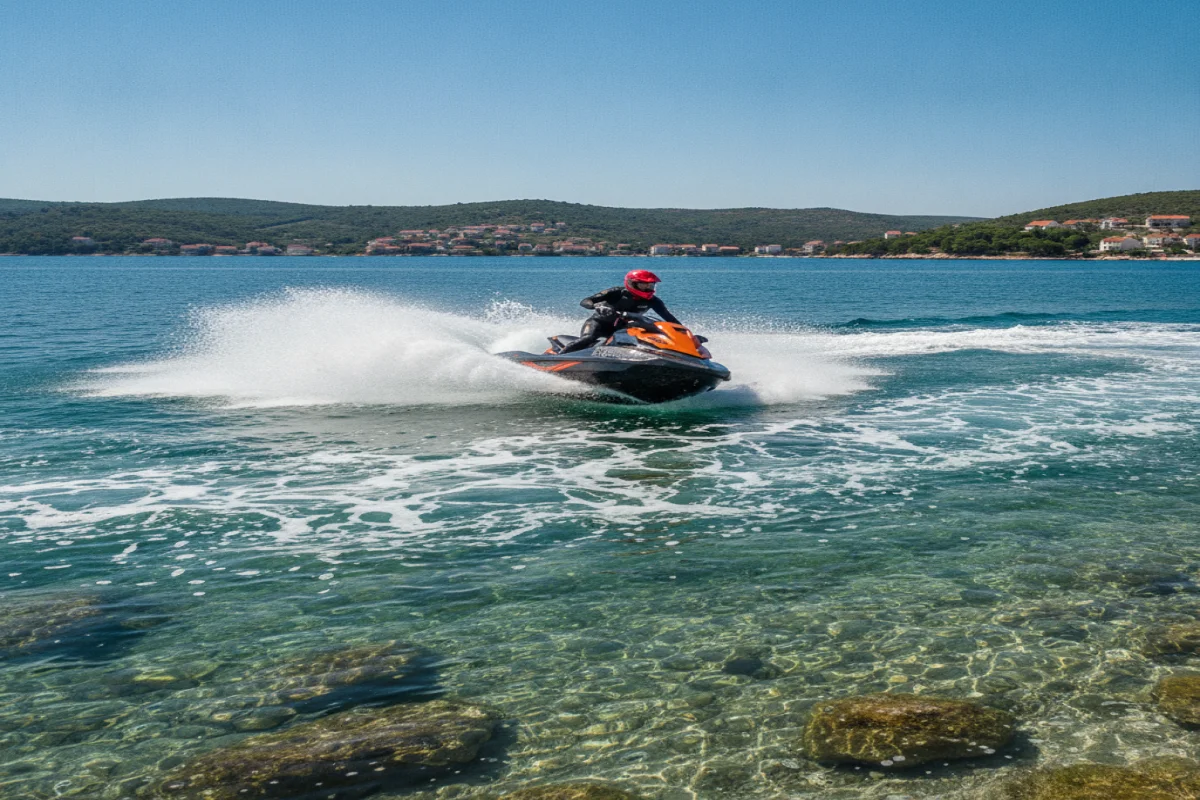
| Jet Ski Rental | 70 | 150 |
| Scuba Diving Experience | 50 | 120 |
| Stand-Up Paddleboarding | 15 | 30 |
| Kayak Rental | 20 | 40 |
| Wind Surfing Lessons | 40 | 100 |
| Boat Tours (Full Day) | 300 | 600 |
| Parasailing | 40 | 80 |
| Fishing Charter | 200 | 500 |
| Snorkeling Gear Rental | 10 | 20 |
| Surfing Lessons | 50 | 90 |
Regional Price Variations (Islands vs Coastal vs Inland)
Prices for water sports can vary significantly across Croatia's diverse regions. Popular islands like Hvar and Korčula tend to have higher prices due to their tourist appeal and limited availability of services. Coastal towns such as Dubrovnik and Split also reflect this trend, especially in high season. In contrast, inland areas may offer more affordable options, but the variety of activities may be limited.
Insider Money-Saving Tips & Tourist Traps to Avoid
- Look for local lunch specials known as 'Marenda' to save on meals.
- Purchase groceries from local markets instead of dining out for every meal.
- Avoid dynamic currency conversion at ATMs; always choose to withdraw in Euros.
- Be cautious of overly touristy areas where prices can be inflated.
- Ask for fiscal receipts ('Fiskalni račun') to ensure proper pricing and potential warranty on services.
Payment Rules, Card Acceptance & Fiscal Receipts
In Croatia, cash is still widely used, especially in smaller towns and during transactions for water sports. However, most larger operators accept credit and debit cards. It is essential to ask for a fiscal receipt ('Fiskalni račun') after any purchase, as this is a legal requirement in Croatia and can protect you in case of disputes.