Current Situation & Pricing Overview 2026 in Croatia
As Croatia adapts to the Euro, the pricing landscape for dining, particularly for beloved dishes like pizza and pasta, has seen notable changes. In 2026, visitors can expect to pay slightly more than in previous years due to inflation and the transition to the Euro. However, the overall cost remains reasonable compared to other European destinations, especially along the picturesque coastlines and islands.
Restaurants in tourist hotspots like Dubrovnik and Hvar may charge premium prices, while inland areas or less touristy towns offer more budget-friendly options. Understanding these dynamics will help you plan your culinary adventures effectively.
- Informative estimated average prices in Euros (€)
- Transparent low vs. high peak season price breakdown below
Comprehensive Price Breakdown & Comparison Table 2026
| Dish | Low Season Price (€) | High Season Price (€) | Notes |
|---|---|---|---|
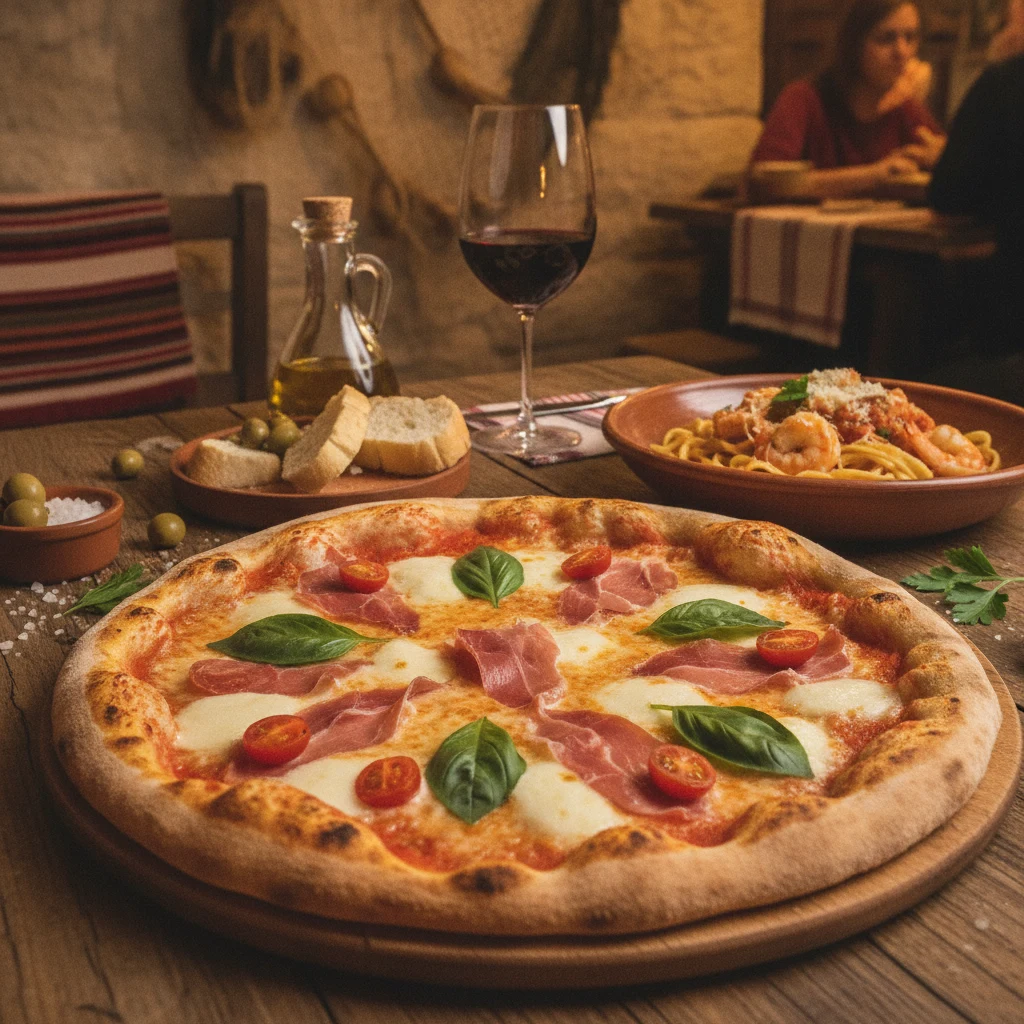
| Margherita Pizza | 8 | 15 | Basic pizza, widely available |
| Spaghetti Carbonara | 10 | 18 | Classic Italian dish |
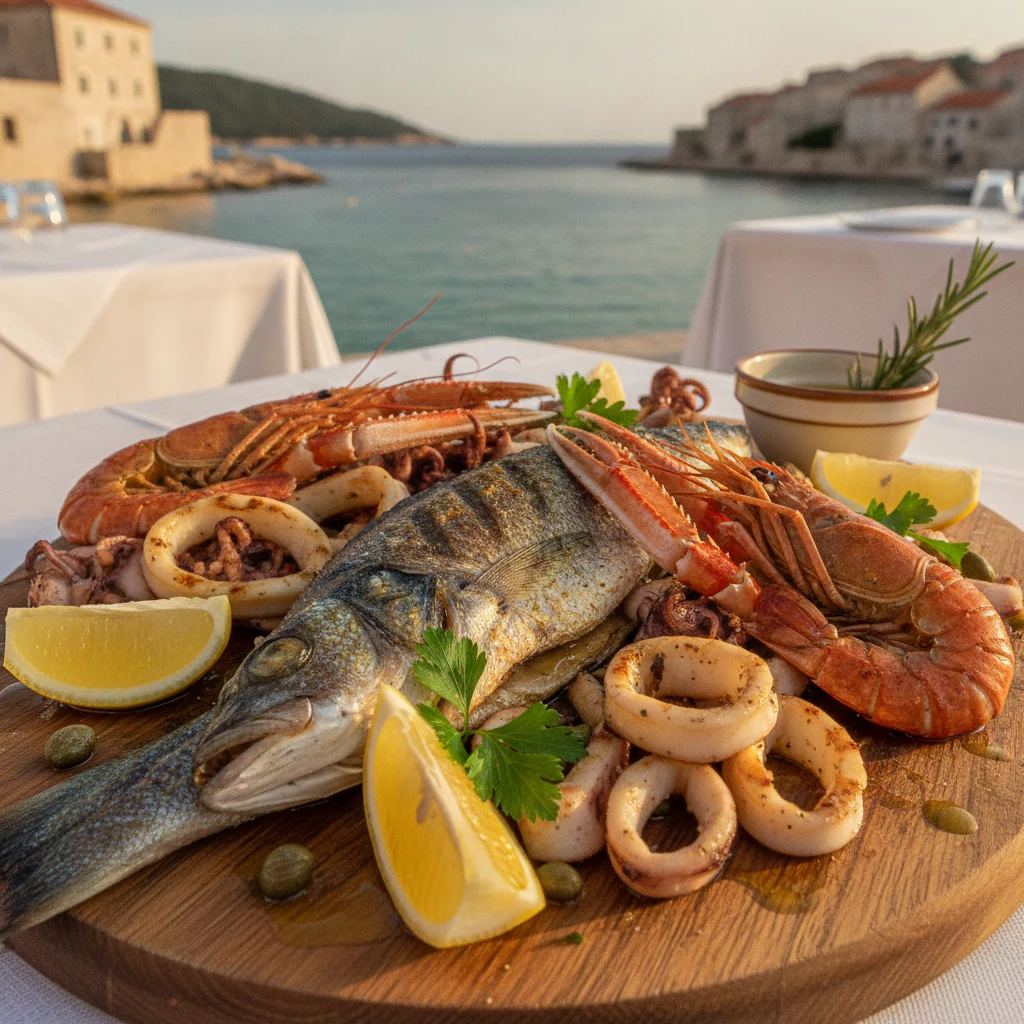
| Seafood Pasta | 15 | 25 | Fresh seafood options |
| Vegetarian Pizza | 9 | 16 | Popular among health-conscious diners |
| Pasta Bolognese | 10 | 20 | Hearty meat sauce |
| Pizza with Prosciutto | 12 | 20 | Italian cured meat topping |
| Gnocchi with Pesto | 10 | 18 | Popular pasta alternative |
| Luxury Pizza (Truffle or Lobster) | 25 | 40 | High-end options available |
Regional Price Variations (Islands vs Coastal vs Inland)
Prices for pizza and pasta can vary significantly based on location. Coastal areas and islands, particularly tourist hotspots like Hvar and Korčula, tend to have higher prices due to demand. For example, a Margherita pizza in Dubrovnik may cost around 15 €, while the same dish in a smaller town like Trogir might be only 10 €.
Inland regions typically offer more affordable dining options. For instance, cities like Slavonski Brod or Osijek may have pasta dishes priced as low as 8 €, making them attractive for budget-conscious travelers.
Insider Money-Saving Tips & Tourist Traps to Avoid
- Look for 'Marenda': Many restaurants offer lunch specials called 'Marenda' at discounted prices, especially in the early afternoon.
- Grocery Shopping: Consider buying fresh ingredients from local markets and preparing your own meals if you have access to a kitchen.
- Avoid Dynamic Currency Conversion: When using ATMs or paying with cards, opt to pay in Euros to avoid unfavorable exchange rates.
- Tipping Etiquette: While tipping is appreciated, it’s not mandatory. A simple rounding up of the bill is often sufficient.
- Research Restaurants: Check online reviews to avoid tourist traps that may charge inflated prices for mediocre food.
Payment Rules, Card Acceptance & Fiscal Receipts
In Croatia, both cash and card payments are widely accepted, but it’s essential to know the local rules. Most restaurants, especially in urban and tourist areas, accept credit and debit cards. However, smaller establishments or those in rural areas may only take cash, so it’s wise to carry some Euros.
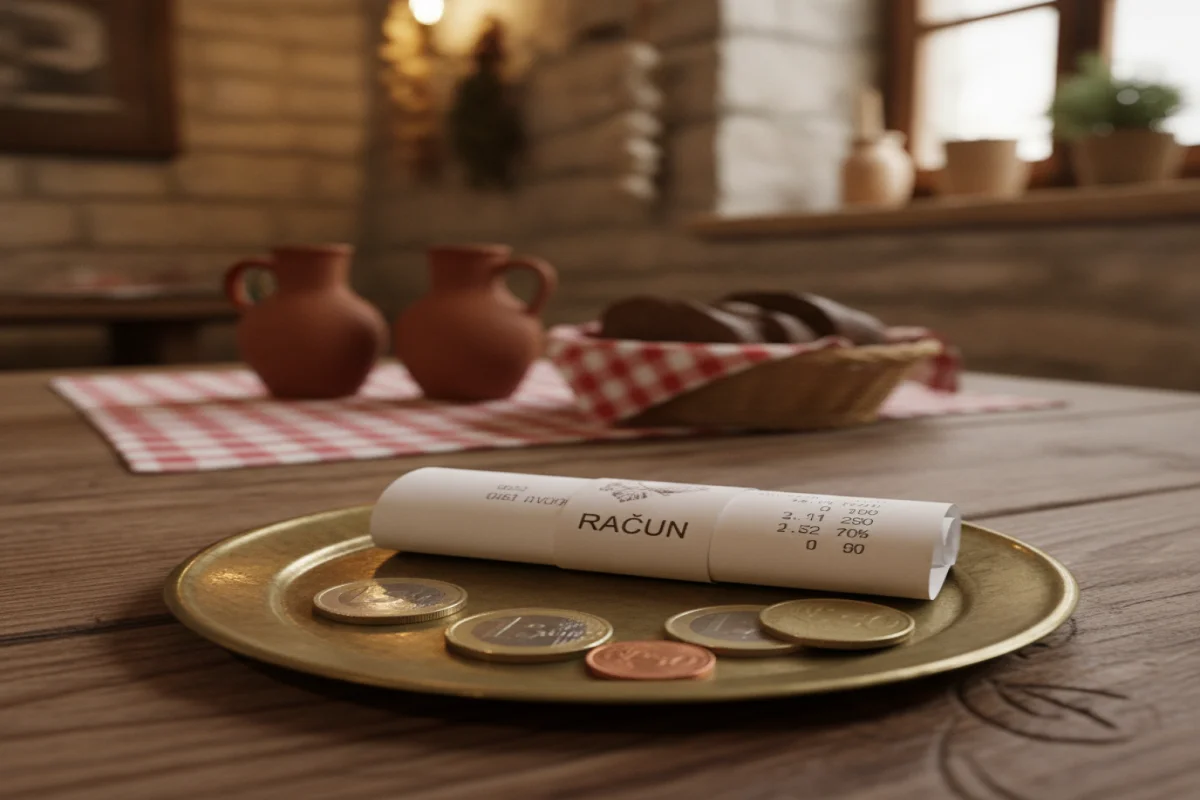
According to Croatian fiscal law, businesses must provide a fiscal receipt ('Fiskalni račun') for all transactions. Always ask for a receipt, as it not only ensures compliance but can also be useful for any disputes or refunds.