Current Situation & Pricing Overview 2026 in Croatia
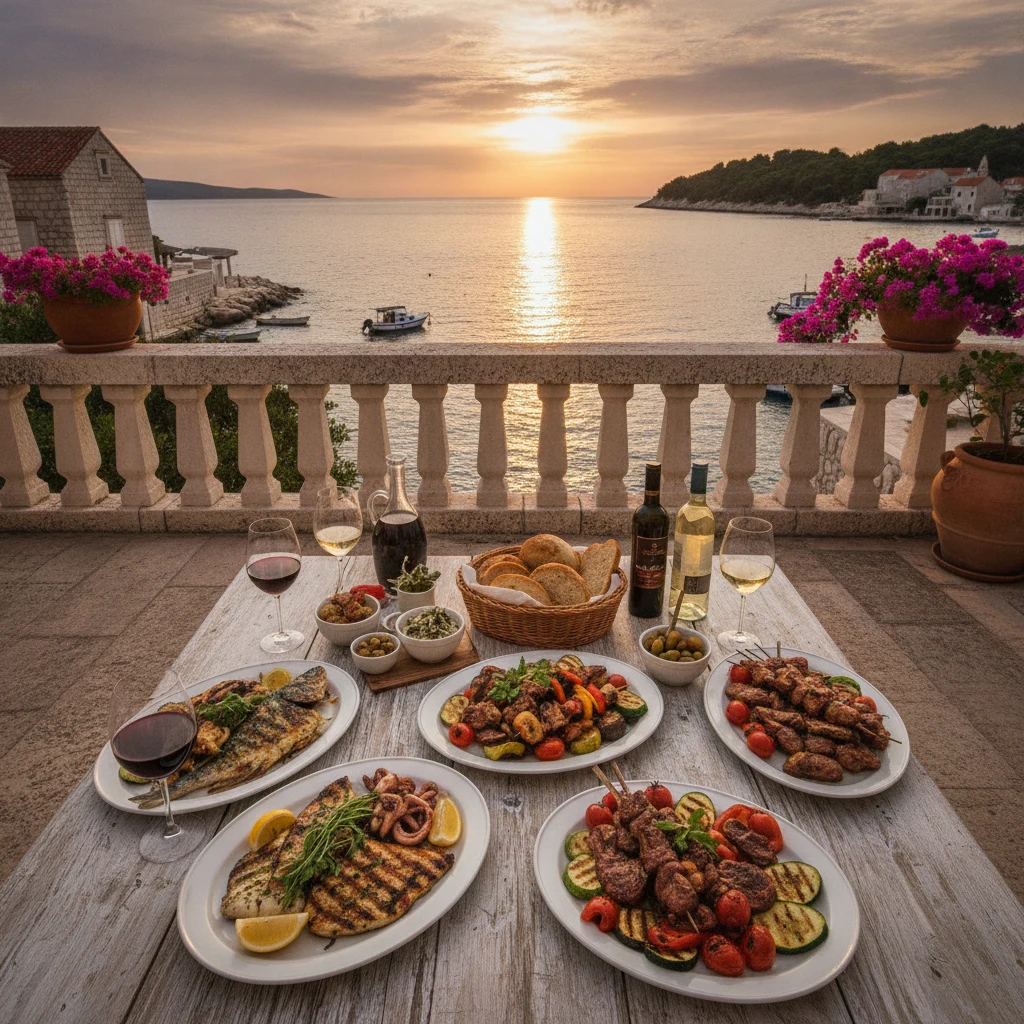
Since the adoption of the Euro in 2023, Croatia has seen a significant shift in its dining landscape. Prices have adjusted due to inflation, but the overall cost of dining remains relatively affordable compared to Western Europe. Visitors can expect to pay between 10 € and 50 € for a meal, depending on the type of restaurant and location. Coastal areas, especially popular tourist spots, may have higher prices, particularly during the peak summer season.
- Informative estimated average prices in Euros (€)
- Transparent low vs. high peak season price breakdown below
Comprehensive Price Breakdown & Comparison Table 2026
| Item/Service | Low Season Price (€) | High Season Price (€) | Budget Range (€) | Luxury Range (€) |
|---|---|---|---|---|
| Local beer (0.5L) | 3 | 5 | 3 | 5 |
| Glass of wine (0.2L) | 2 | 8 | 2 | 8 |
| Pizza Margherita | 7 | 12 | 7 | 12 |
| Seafood platter | 25 | 50 | 25 | 50 |
| Traditional Croatian meal | 10 | 20 | 10 | 20 |
| Coffee (espresso) | 1.50 | 3 | 1.50 | 3 |
| Dessert (local specialty) | 3 | 6 | 3 | 6 |
| Lunch special (Marenda) | 5 | 10 | 5 | 10 |
| Tipping (recommended) | 10% | 10% | 10% | 10% |
Regional Price Variations (Islands vs Coastal vs Inland)
Prices can vary significantly across different regions of Croatia. Coastal areas and islands, such as Hvar and Korčula, tend to have higher prices due to their popularity among tourists. For example, a seafood platter in Dubrovnik may cost around 50 €, while the same dish might be 30 € in a less touristy inland town. Popular cities like Split and Rovinj also see a premium on dining prices during the summer months. In contrast, dining in smaller inland towns can be much more economical, with meals often starting at 10 €.
Insider Money-Saving Tips & Tourist Traps to Avoid
- Look for 'Marenda': Many restaurants offer lunch specials called 'Marenda' that provide a full meal at a lower price.
- Shop at local markets: For a budget-friendly meal, consider buying fresh produce and local delicacies at markets.
- Avoid dynamic currency conversion: When paying by card, always choose to pay in Euros to avoid unfavorable exchange rates.
- Check for service charges: Some restaurants may include a service charge in the bill, so check before tipping.
- Ask locals for recommendations: They can guide you to the best and most affordable dining options away from tourist traps.
Payment Rules, Card Acceptance & Fiscal Receipts
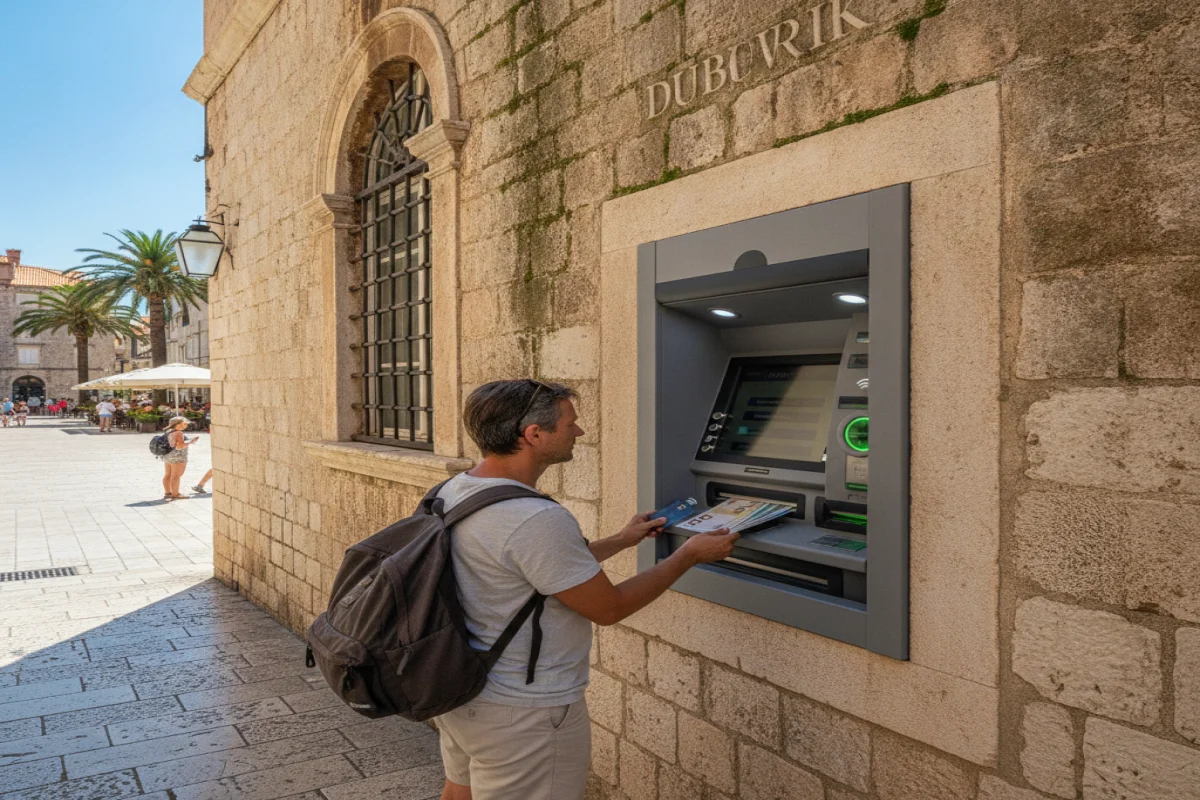
In Croatia, it is essential to understand the local payment rules. Most restaurants accept credit and debit cards, but it is wise to carry cash, especially in rural areas or smaller towns. Croatian fiscal law requires businesses to issue a 'Fiskalni račun' (fiscal receipt) for every transaction, which is important for tax purposes. Always ask for a receipt, as it can be useful for any disputes or inquiries regarding your bill.