Current Situation & Pricing Overview 2026 in Croatia
As Croatia continues to embrace its identity within the European Union, the adoption of the Euro has led to noticeable changes in the pricing of local delicacies, including Burek and pastries. In 2026, visitors can expect to see prices that reflect both inflation and the country's growing popularity as a tourist destination. The average cost of a Burek ranges from 3 € to 5 €, depending on the filling and location, making it an affordable option for travelers seeking authentic Croatian cuisine.
- Informative estimated average prices in Euros (€)
- Transparent low vs. high peak season price breakdown below
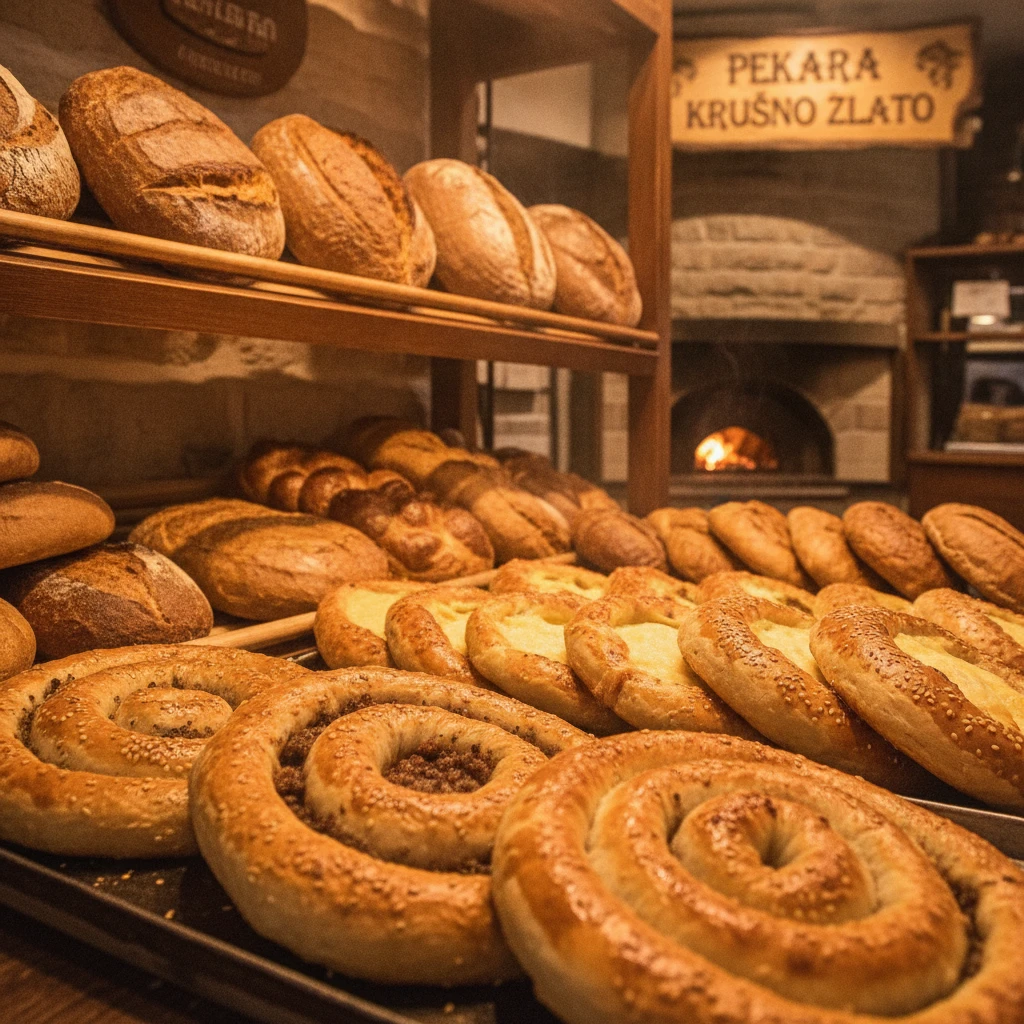
Comprehensive Price Breakdown & Comparison Table 2026
| Item | Low Season Price (€) | High Season Price (€) | Notes |
|---|---|---|---|
| Burek (meat) | 3 € | 5 € | Popular filling; varies by location. |
| Burek (cheese) | 3 € | 4 € | Vegetarian option; often less expensive. |
| Croatian Pastries (Kiflice) | 1 € | 2 € | Small crescent-shaped pastries. |
| Pogača (flatbread) | 1.50 € | 3 € | Served with various toppings. |
| Sarma (cabbage rolls) | 5 € | 8 € | Traditional dish; hearty meal. |
| Street Food (Grilled Sausages) | 4 € | 7 € | Popular at festivals and markets. |
| Coffee (local café) | 1.50 € | 3 € | Essential part of Croatian culture. |
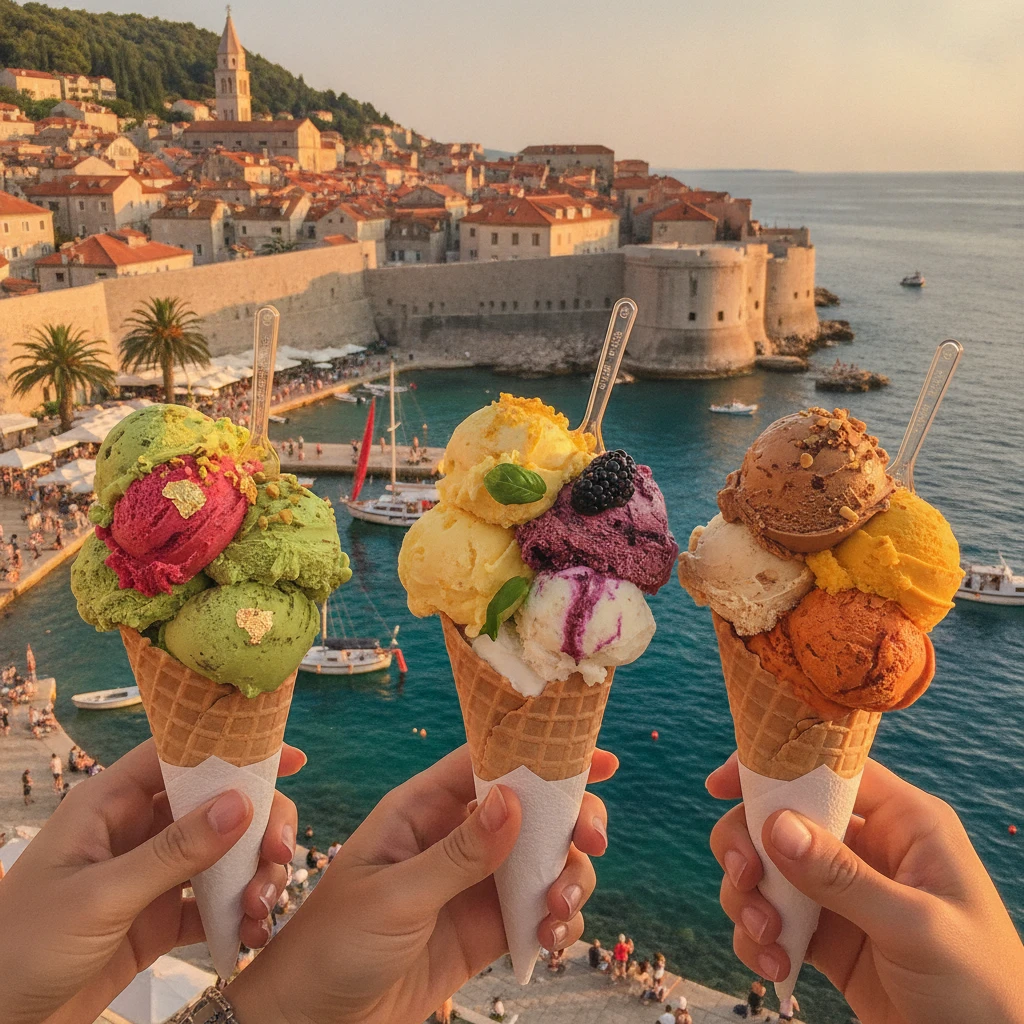
| Ice Cream (local gelato) | 2 € | 4 € | Refreshing treat during summer. |
Regional Price Variations (Islands vs Coastal vs Inland)
Prices for Burek and pastries can vary significantly across different regions of Croatia. Coastal towns like Dubrovnik and Split often have higher prices due to their tourist appeal, while islands such as Hvar and Korčula may also reflect premium pricing during peak seasons. In contrast, inland areas like Slavonia or Zagorje typically offer more budget-friendly options. For example, a Burek in Dubrovnik might cost around 5 €, while the same item could be found for 3 € in a smaller town.
Insider Money-Saving Tips & Tourist Traps to Avoid
- Look for 'Marenda': Many local bakeries offer lunch specials called 'Marenda' which are significantly cheaper than regular menu items.
- Shop at Local Markets: Fresh produce and baked goods at local markets can be more affordable than in tourist areas.
- Avoid Dynamic Currency Conversion: Always choose to pay in local currency to avoid unfavorable exchange rates.
- Ask for Fiscal Receipts: Always request a 'Fiskalni račun' to ensure proper taxation and quality service.
- Be Mindful of Tipping: While tipping is appreciated, it is not obligatory. A small tip of around 10% is sufficient.
Payment Rules, Card Acceptance & Fiscal Receipts
In Croatia, cash is still king, especially in smaller towns and at street food stalls. While many bakeries and cafés accept credit cards, it is wise to carry some cash for convenience. Croatian fiscal law requires businesses to issue a 'Fiskalni račun' (fiscal receipt) for every transaction, which serves as proof of purchase and ensures that the business is complying with tax regulations. Always ask for a receipt, especially when dining out or making larger purchases.