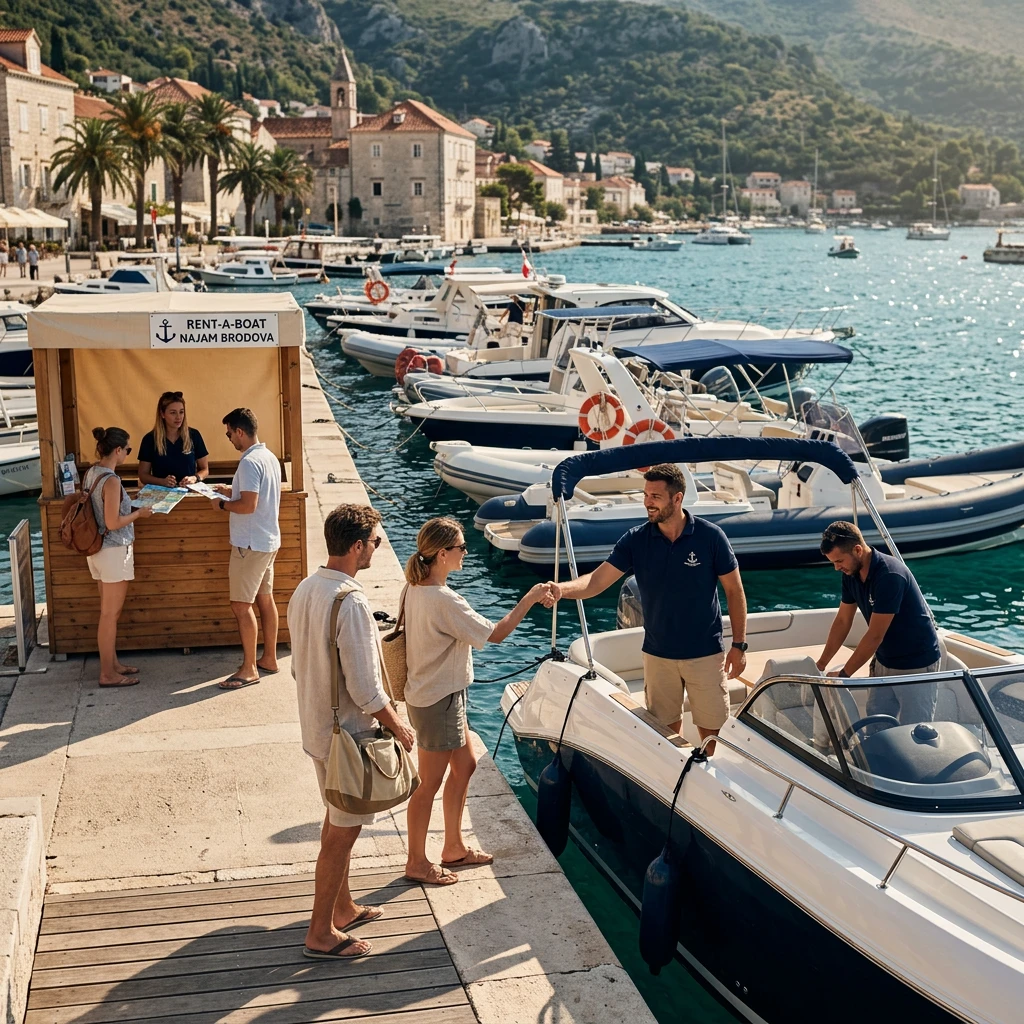
Current Situation & Pricing Overview 2026 in Croatia
As Croatia continues to embrace the Euro, the pricing landscape for cultural attractions has seen a notable shift. Following the Euro adoption, inflation has influenced costs, making it essential for visitors to budget accordingly. In 2026, tourists can expect to pay slightly higher fees than in previous years, but the value offered by Croatia's rich history and stunning sites remains unparalleled.
- Informative estimated average prices in Euros (€)
- Transparent low vs. high peak season price breakdown below
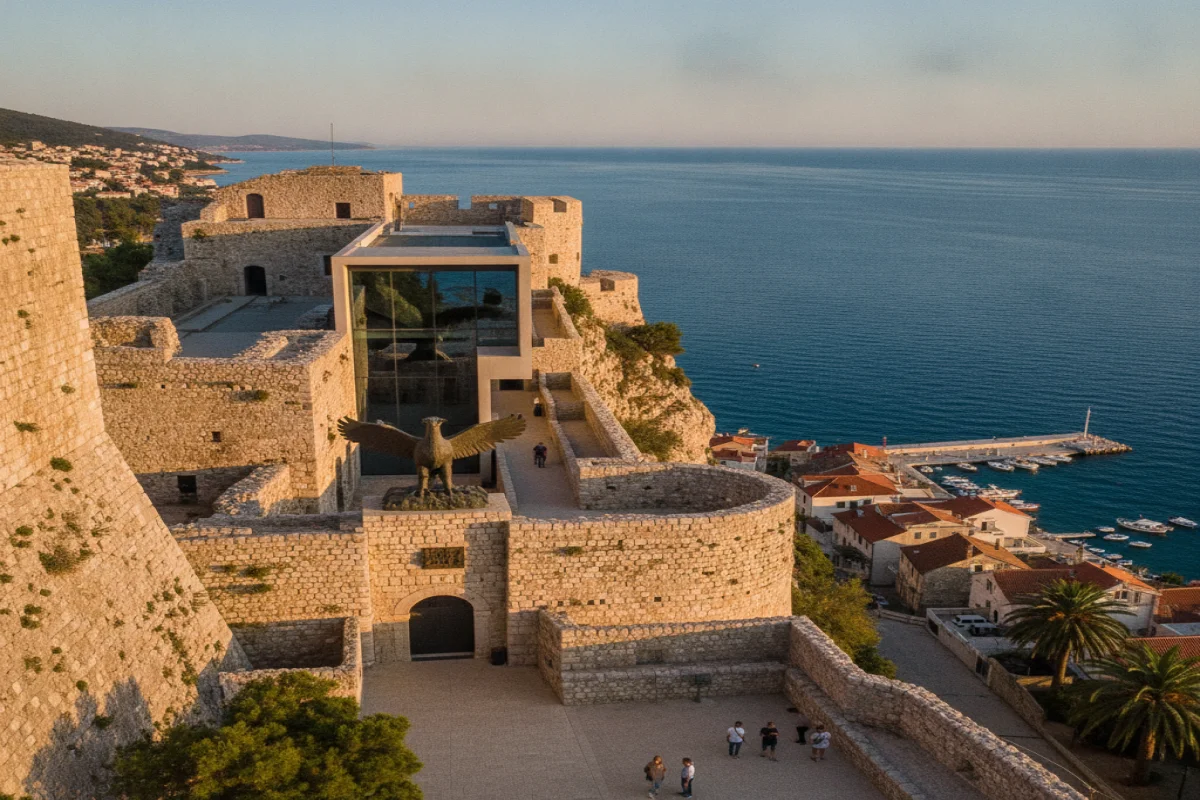
Comprehensive Price Breakdown & Comparison Table 2026
| Service | Low Season (€) | High Season (€) |
|---|---|---|
| Museum Entry Fee | 5 | 15 |
| Fortress Entry Fee | 8 | 20 |
| Guided Tour | 15 | 50 |
| Audio Guide Rental | 3 | 7 |
| Special Exhibition Fee | 10 | 25 |
| Family Ticket (2 Adults + 2 Kids) | 20 | 40 |
Regional Price Variations (Islands vs Coastal vs Inland)
Prices for historical sites can vary significantly across Croatia's diverse regions. Coastal areas like Dubrovnik and Split tend to have higher entry fees due to their popularity among tourists. For instance, a visit to the Dubrovnik City Walls can cost around 20 € in peak season, while similar attractions in inland towns may charge as little as 8 €.
On the islands, such as Hvar and Korčula, expect moderate pricing, with many sites offering discounts for families or group visits. In contrast, lesser-known inland areas may provide free access to local historical sites, making them an attractive option for budget-conscious travelers.
Insider Money-Saving Tips & Tourist Traps to Avoid
- Lunch Specials: Look for 'Marenda' deals at local eateries, offering affordable meals during lunch hours.
- Grocery Shopping: Purchase snacks and drinks from local grocery stores instead of tourist shops to save money.
- Dynamic Currency Conversion: Avoid using dynamic currency conversion at ATMs, as it often incurs higher fees.
- Tipping Etiquette: Tipping is appreciated but not mandatory; rounding up the bill is common practice.
- Free Entry Days: Research free entry days for museums and historical sites to maximize your budget.
Payment Rules, Card Acceptance & Fiscal Receipts
In Croatia, it is crucial to understand the fiscal law ('Fiskalni račun'), which mandates that all businesses provide a receipt for transactions. Always ask for a receipt, especially when paying in cash, as this can be important for warranty claims or disputes.
While credit and debit cards are widely accepted, some smaller establishments may prefer cash. It's advisable to carry some cash for smaller purchases or in rural areas where card acceptance may be limited.