Current Situation & Pricing Overview 2026 in Croatia
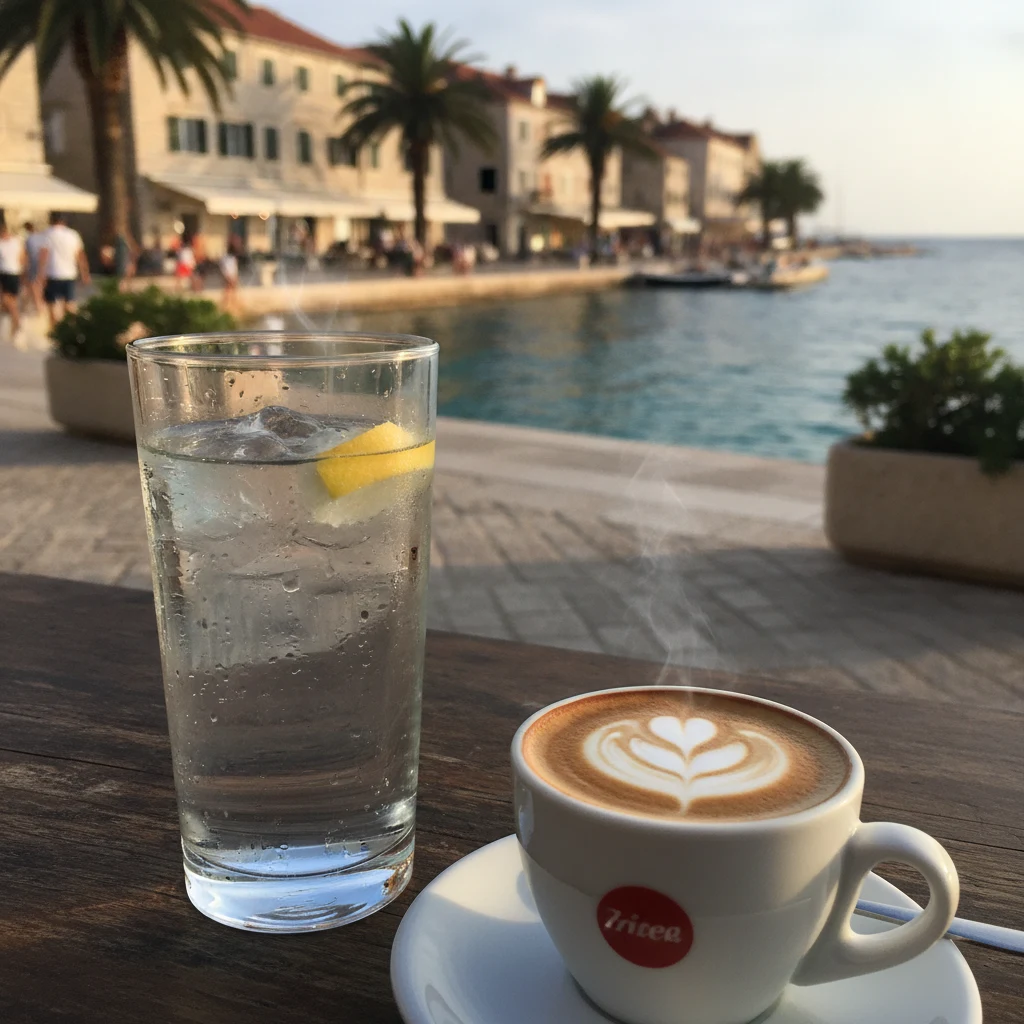
As Croatia continues to embrace its new currency, the Euro, visitors can expect a variety of pricing for coffee and soft drinks across the country. The transition has brought about some inflation, but many establishments have maintained reasonable prices to attract tourists. In 2026, coffee lovers will find that prices remain largely accessible, with an average espresso costing between 1.50 € and 3.00 €.
Soft drinks also show a similar trend, with prices ranging from 1.50 € for a can of soda to around 4.00 € for local juices. Coastal areas, especially during the summer tourist season, may see higher prices, particularly in popular beach towns.
- Informative estimated average prices in Euros (€)
- Transparent low vs. high peak season price breakdown below
Comprehensive Price Breakdown & Comparison Table 2026
| Item | Low Season Price (€) | High Season Price (€) | Notes |
|---|---|---|---|
| Espresso | 1.50 | 3.00 | Varies by location |
| Cappuccino | 2.50 | 4.50 | Higher in tourist areas |
| Soft Drink | 1.50 | 3.00 | Standard can |
| Bottled Water | 0.80 | 2.00 | Varies by brand |
| Local Juice | 2.00 | 4.00 | Freshly squeezed options |
| Iced Coffee | 3.00 | 5.00 | Popular in summer |
Regional Price Variations (Islands vs Coastal vs Inland)
Prices for coffee and soft drinks can vary significantly depending on the region. Coastal areas like Dubrovnik and Split tend to have higher prices due to their popularity among tourists. For example, an espresso in Dubrovnik might cost around 3.00 € in a touristy café, while the same drink in an inland town could be as low as 1.50 €.
On the islands, such as Hvar and Korčula, expect similar pricing to coastal cities, but with some premium for the scenic views. In contrast, smaller inland towns may offer more budget-friendly options, making them ideal for travelers looking to save.
Insider Money-Saving Tips & Tourist Traps to Avoid
- Seek Local Cafés: Avoid tourist traps by choosing local cafés where prices are generally lower and the coffee is authentic.
- Marenda Specials: Look for 'Marenda' lunch specials, which often include a drink and a meal at a discounted rate.
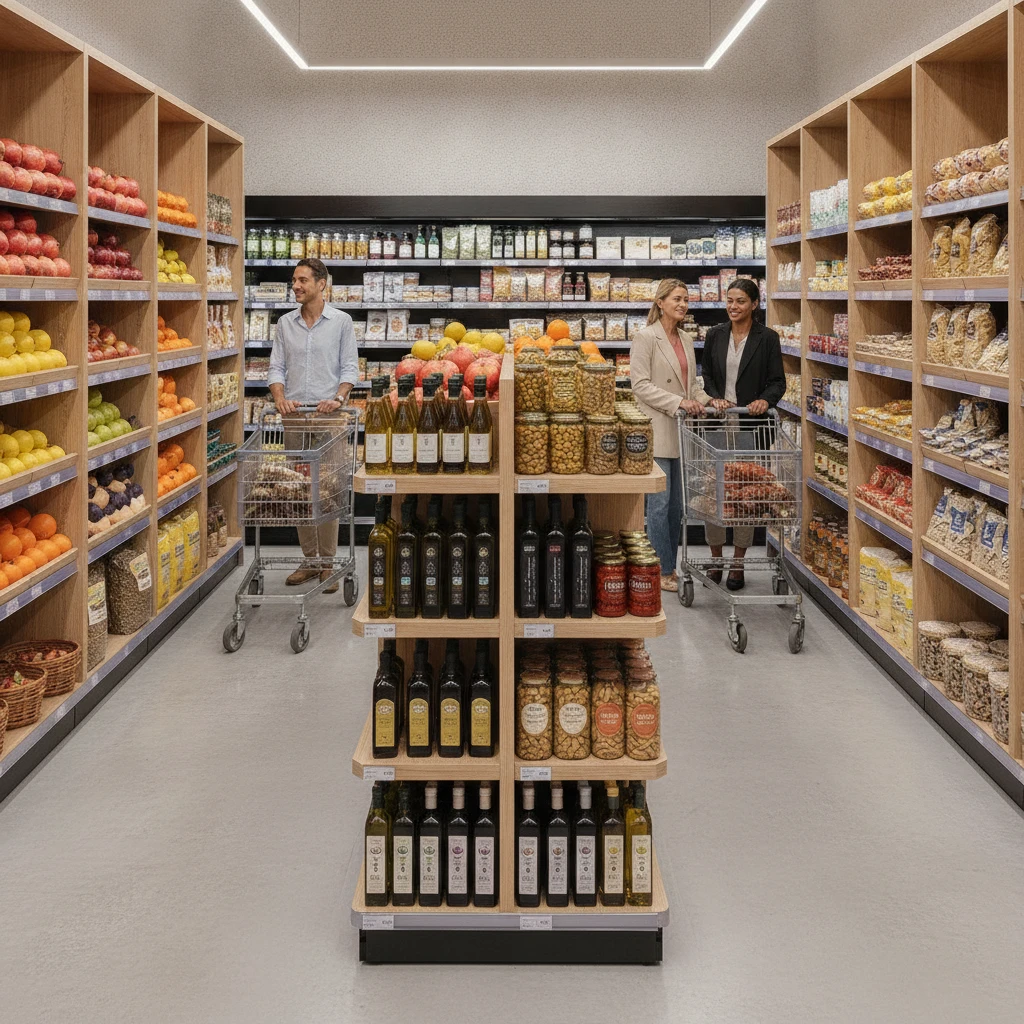
- Grocery Stores: Purchase soft drinks and bottled water from grocery stores rather than cafés for significant savings.
- ATM Fees: Be cautious with dynamic currency conversion at ATMs; always choose to be charged in Euros to avoid extra fees.
- Tipping Etiquette: While not mandatory, leaving a small tip (around 10%) for good service is appreciated.
Payment Rules, Card Acceptance & Fiscal Receipts
In Croatia, it is common practice to ask for a fiscal receipt ('Fiskalni račun') when making a purchase. This is important for both consumers and businesses, as it helps maintain transparency in transactions. Most establishments accept credit cards, especially in urban and tourist areas, but it’s wise to carry some cash for smaller venues or markets.
Be aware that some places may have a minimum charge for card payments, so check beforehand. Overall, being informed about payment practices will enhance your experience in Croatia.