Current Situation & Pricing Overview 2026 in Croatia
As of 2026, Croatia has fully adopted the Euro, leading to a significant shift in pricing structures across various services, including tire repair and replacement. The inflation rate has stabilized, but visitors should expect to pay slightly more than in previous years due to increased costs of materials and labor. Tire services are essential for road-trippers exploring Croatia's beautiful coastal roads and islands, making it crucial to budget accordingly.
- Informative estimated average prices in Euros (€)
- Transparent low vs. high peak season price breakdown below
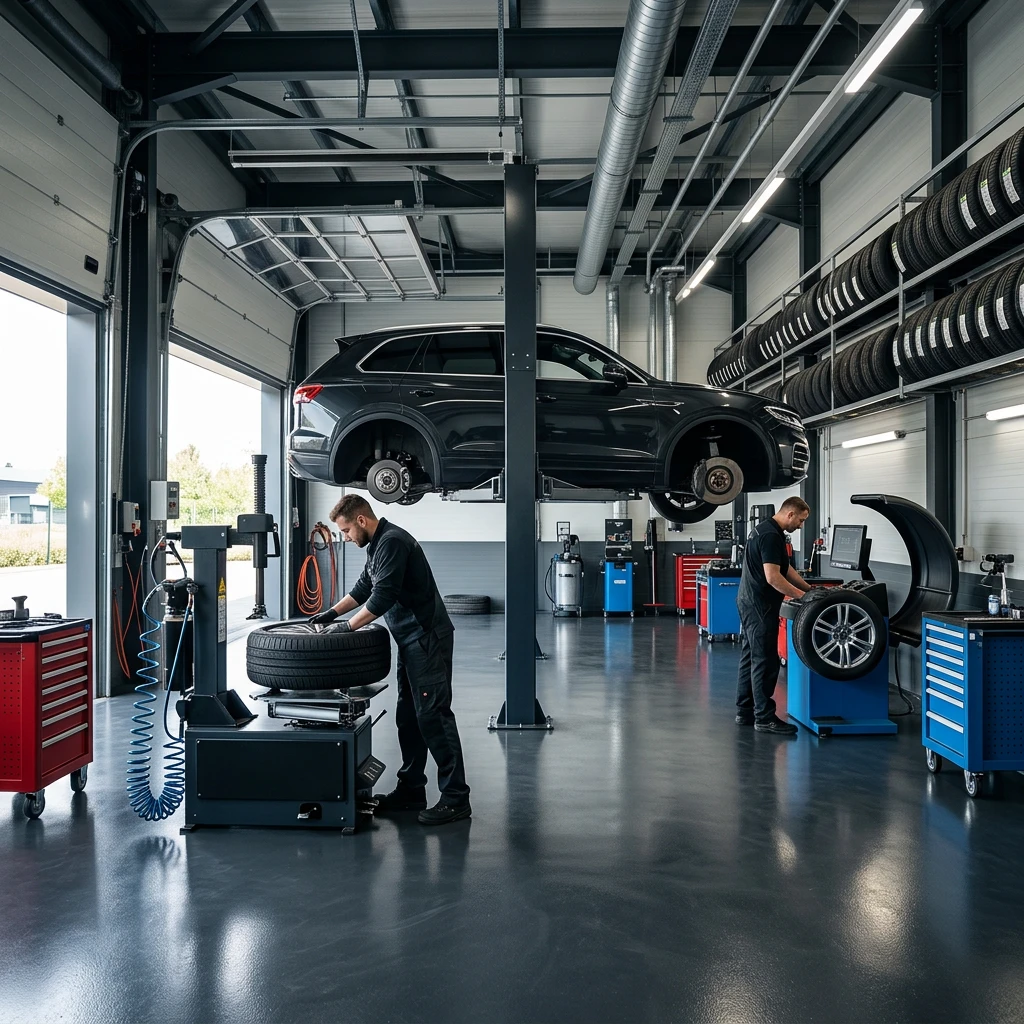
Comprehensive Price Breakdown & Comparison Table 2026
| Service | Low Season (€) | High Season (€) |
|---|---|---|
| Tire Repair | 15 | 30 |
| Tire Replacement (Standard) | 50 | 100 |
| Tire Replacement (Premium) | 100 | 200 |
| Wheel Alignment | 30 | 60 |
| Tire Balancing | 15 | 25 |
| Emergency Roadside Assistance | 50 | 100 |
Regional Price Variations (Islands vs Coastal vs Inland)
Prices for tire services can vary significantly across different regions of Croatia. Coastal areas, especially tourist hotspots like Dubrovnik and Split, tend to have higher prices due to demand. In contrast, inland areas may offer more competitive rates. The islands, such as Hvar and Korčula, can have limited services, which may lead to higher costs. Always compare prices and consider calling ahead to ensure availability and get quotes.
Insider Money-Saving Tips & Tourist Traps to Avoid
- Look for local tire shops instead of those near tourist attractions for better prices.
- Ask about 'Marenda' specials for lunch deals if you're waiting for service.
- Use local grocery stores for snacks and drinks instead of convenience stores.
- Avoid dynamic currency conversion at ATMs; always choose to pay in Euros.
- Tip around 10% for good service, but check if a service charge is included.
Payment Rules, Card Acceptance & Fiscal Receipts
In Croatia, it is mandatory for businesses to issue a fiscal receipt (Fiskalni račun) for all transactions. This is important for tax purposes and consumer protection. While credit and debit cards are widely accepted, especially in urban areas and tourist spots, having cash on hand is advisable, particularly in rural areas or smaller towns where card acceptance may be limited. Always ask for a receipt to ensure compliance with local laws and to keep track of your expenses.