Current Situation & Pricing Overview 2026 in Croatia
As Croatia continues to embrace its Euro adoption, seafood prices have seen a notable shift. The transition has brought about a moderate increase in costs due to inflation and changes in the supply chain. In 2026, visitors can expect to pay between 15 € to 30 € per kilogram for fresh Adriatic fish, depending on the type and market conditions. The coastal regions, blessed with abundant marine resources, offer a variety of seafood options at competitive prices, particularly during the low season.
- Informative estimated average prices in Euros (€)
- Transparent low vs. high peak season price breakdown below
Comprehensive Price Breakdown & Comparison Table 2026
| Item/Service | Low Season Price (€) | High Season Price (€) |
|---|---|---|
| Fresh Adriatic Fish (per kg) | 15 € | 30 € |
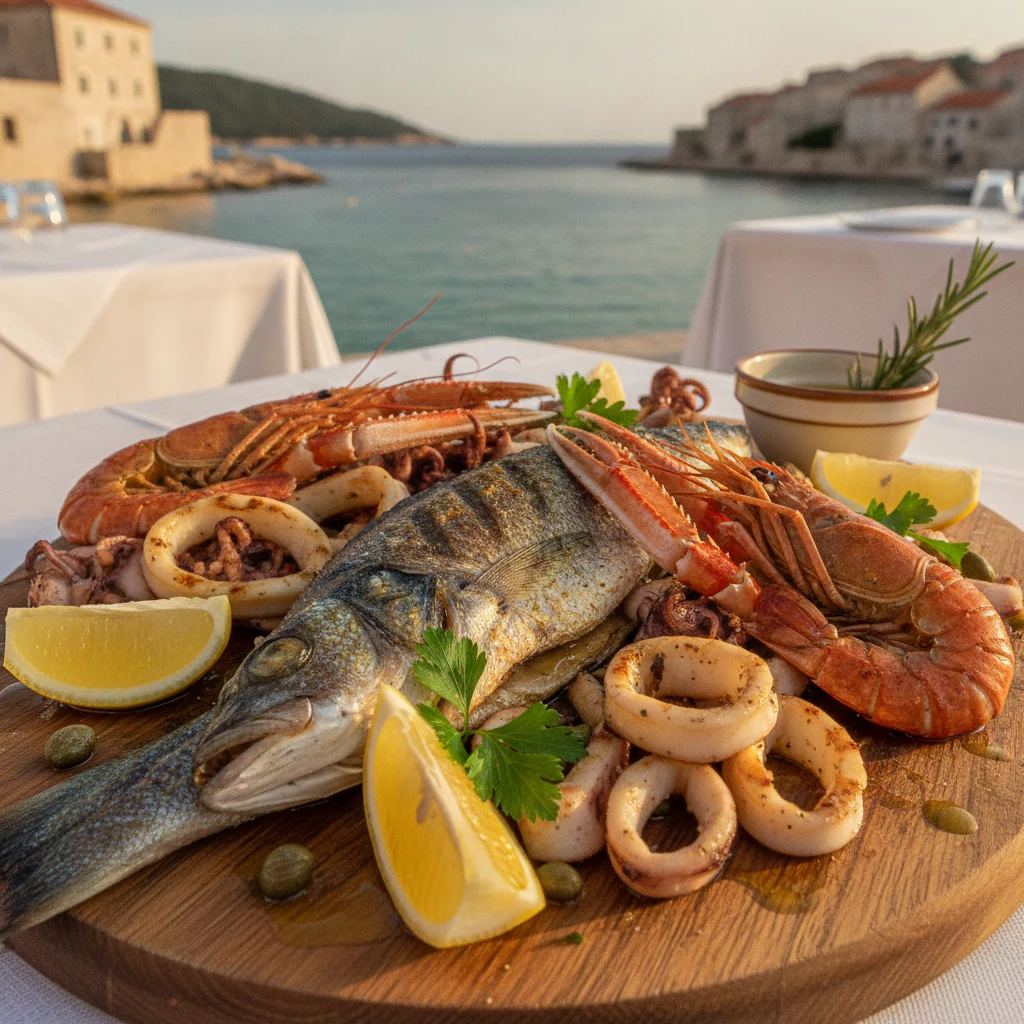
| Seafood Platter (restaurant) | 25 € | 60 € |
| Octopus Salad (restaurant) | 10 € | 20 € |
| Fish Soup (restaurant) | 8 € | 15 € |
| Local Shrimp (per kg) | 20 € | 40 € |
| Mussels (per kg) | 10 € | 20 € |
| Tuna Steak (per kg) | 25 € | 50 € |
| Fish Market Prices (varies) | 10 € | 25 € |
Regional Price Variations (Islands vs Coastal vs Inland)
When exploring Croatia, it's essential to understand the regional price variations for seafood. Coastal towns like Dubrovnik and Split offer a plethora of seafood options at lower prices due to their access to fresh catches. For instance, a seafood platter in Dubrovnik may cost around 30 € during the high season, whereas in inland areas, the same dish could exceed 50 € due to transportation costs.
On the islands, such as Hvar and Korčula, seafood prices can be slightly higher during peak tourist months, but the quality and freshness often justify the cost. Expect to pay around 20 € for a local shrimp dish on Hvar, compared to 15 € in Split.
Insider Money-Saving Tips & Tourist Traps to Avoid
- Local Lunch Specials ('Marenda'): Many restaurants offer affordable lunch specials that feature local seafood dishes. Take advantage of these to enjoy quality meals at lower prices.
- Grocery Shopping Hacks: Purchase seafood from local markets instead of restaurants for better deals. Look for morning markets for the freshest options.
- Avoid Dynamic Currency Conversion: When using ATMs, choose to be charged in Euros to avoid unfavorable exchange rates.
- Tipping Etiquette: While not mandatory, leaving a 10% tip for good service is appreciated in restaurants.
- Beware of Tourist Traps: Restaurants near major tourist attractions often charge inflated prices. Venture a few streets away for better value.
Payment Rules, Card Acceptance & Fiscal Receipts
In Croatia, cash is still widely used, but credit and debit cards are accepted in most restaurants and shops. However, it is advisable to carry some cash, especially in smaller towns and markets. According to Croatian fiscal law ('Fiskalni račun'), businesses must provide a fiscal receipt for every transaction. Always ask for a receipt, as it helps ensure that you are not overcharged and is necessary for any potential returns or complaints.