Current Situation & Pricing Overview 2026 in Croatia
As Croatia continues to embrace the Euro, the landscape of souvenir shopping has evolved significantly. Prices have seen a moderate increase due to inflation, yet the charm of local crafts and products remains. Tourists can expect to spend anywhere from a few euros for small trinkets to several dozen euros for high-quality, artisanal items. The coastal regions, known for their stunning beaches and vibrant markets, offer a plethora of unique gifts that reflect the local culture.
- Informative estimated average prices in Euros (€)
- Transparent low vs. high peak season price breakdown below
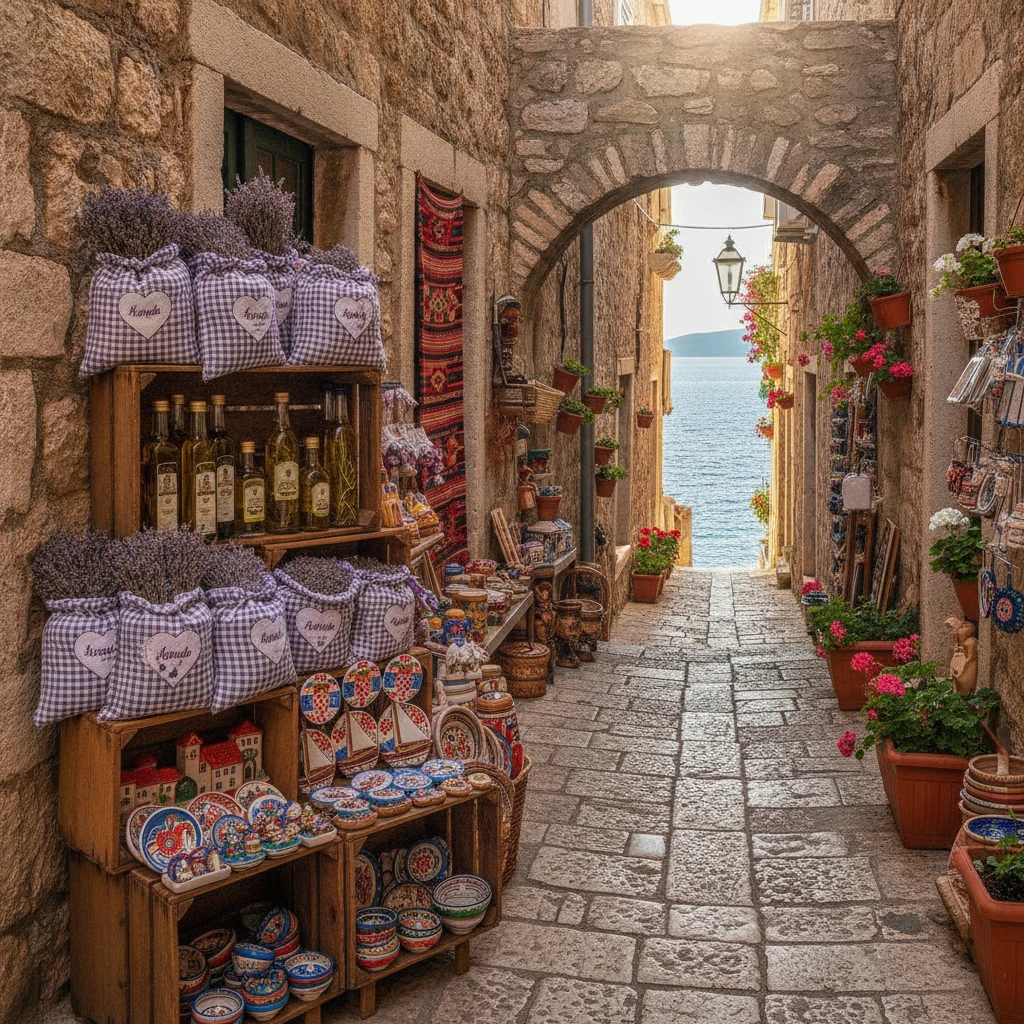
Comprehensive Price Breakdown & Comparison Table 2026
| Item | Low Season Price (€) | High Season Price (€) | Notes |
|---|---|---|---|
| Traditional Croatian Olive Oil | 10 | 30 | Quality varies; look for local brands. |
| Handmade Ceramics | 15 | 50 | Unique designs; check for authenticity. |
| Local Wine (Plavac Mali) | 8 | 25 | Best bought directly from wineries. |
| Lavender Products | 5 | 20 | Popular in Hvar and surrounding areas. |
| Croatian Honey | 6 | 15 | Look for local producers for the best quality. |
| Maraschino Liqueur | 10 | 25 | A specialty of Zadar; great for gifts. |
| T-shirts and Souvenirs from Tourist Shops | 5 | 20 | Common but often overpriced. |
| Local Crafts (e.g., Lace from Pag) | 20 | 100 | Handmade and intricate; worth the price. |
| Sea Salt from the Adriatic | 3 | 10 | Great for cooking enthusiasts. |
| Handcrafted Jewelry | 15 | 75 | Unique pieces available in local markets. |
Regional Price Variations (Islands vs Coastal vs Inland)
Prices for souvenirs can vary significantly based on location. Coastal towns like Dubrovnik and Split tend to have higher prices due to their popularity among tourists. In contrast, islands such as Hvar and Korčula offer unique, locally made products at more reasonable prices. Inland areas may provide even better deals, especially in local markets where artisans sell directly to consumers.
Insider Money-Saving Tips & Tourist Traps to Avoid
- Local Lunch Specials: Look for 'Marenda' deals in local restaurants, offering affordable meals.
- Grocery Shopping: Purchase snacks and drinks from supermarkets rather than tourist shops to save money.
- Dynamic Currency Conversion: Avoid using this service at ATMs as it often results in unfavorable exchange rates.
- Tipping Etiquette: Tipping is appreciated but not mandatory; rounding up the bill is common.
- Shop Around: Don’t buy the first souvenir you see; explore multiple shops for the best prices.
Payment Rules, Card Acceptance & Fiscal Receipts
Croatia's fiscal law requires businesses to issue a 'Fiskalni račun' (fiscal receipt) for every transaction. This is important for tax purposes and can be requested at any time. While credit and debit cards are widely accepted, especially in urban areas, carrying cash is advisable for smaller shops and markets. Always check if a shop accepts cards before making a purchase.