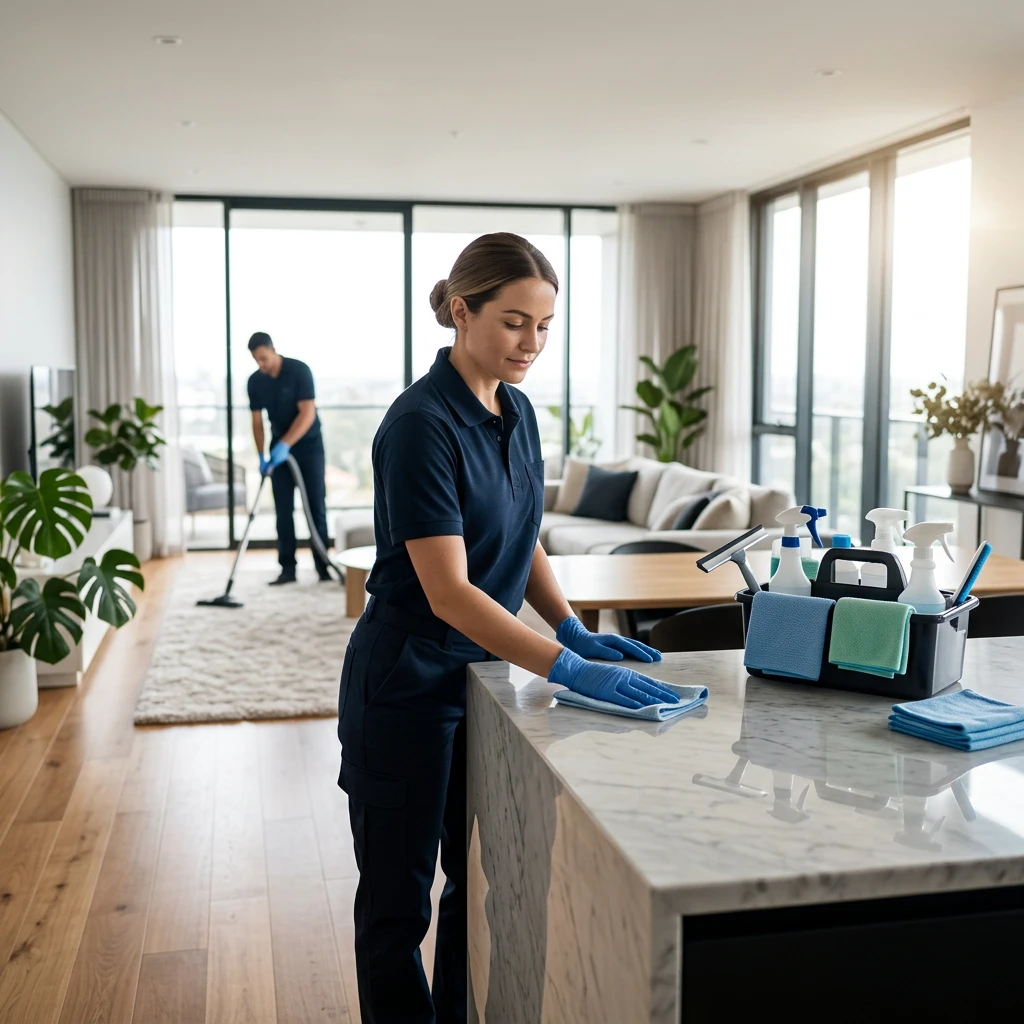
Current Situation & Pricing Overview 2026 in Croatia
As Croatia has adopted the Euro, the property management landscape has seen significant changes. Key holding services, essential for property owners, have adjusted in pricing due to inflation and increased demand from international buyers and renters. In 2026, property management costs reflect a more stable economy but still vary based on the region and service scope.
Visitors and expats should expect to pay between 50 € and 100 € monthly for basic key holding services, with additional fees for property management, maintenance, and cleaning services. Understanding these costs is crucial for budgeting your stay or investment in Croatia.
- Informative estimated average prices in Euros (€)
- Transparent low vs. high peak season price breakdown below

Comprehensive Price Breakdown & Comparison Table 2026
| Service | Low Season (€) | High Season (€) |
|---|---|---|
| Key Holding Service | 50 | 100 |
| Property Management Fee | 100 | 300 |
| Emergency Call-Out Fee | 30 | 60 |
| Cleaning Service | 40 | 80 |
| Maintenance Service | 50 | 150 |
| Inventory Check | 25 | 50 |
Regional Price Variations (Islands vs Coastal vs Inland)
In Croatia, pricing for property management services can vary significantly based on location. Coastal areas and islands, such as Hvar and Korčula, tend to have higher rates due to increased tourist activity and demand for services. In contrast, inland areas may offer more competitive pricing.
- Hvar: High demand, prices can reach up to 300 € for property management.
- Dubrovnik: Known for its tourism, expect premium pricing for key holding and management services.
- Split: A balance of affordability and quality, with services ranging widely.
- Inland Areas: Generally more affordable, with lower demand leading to competitive pricing.
Insider Money-Saving Tips & Tourist Traps to Avoid
To make the most of your budget while managing a property in Croatia, consider the following tips:
- Local Lunch Specials: Enjoy 'Marenda' – a local lunch special that offers great value.
- Grocery Shopping: Shop at local markets for fresh produce and avoid tourist traps that inflate prices.
- ATM Fees: Be cautious of dynamic currency conversion at ATMs; always choose to be charged in Euros.
- Tipping Etiquette: Tipping is appreciated but not mandatory; rounding up the bill is common.
Payment Rules, Card Acceptance & Fiscal Receipts
In Croatia, fiscal law requires businesses to issue a 'Fiskalni račun' (fiscal receipt) for all transactions. This is crucial for tax purposes and ensures that the transaction is recorded. While many establishments accept credit cards, cash is still widely used, especially in smaller towns and islands. Always ask for a receipt to avoid issues later.