Current Situation & Pricing Overview 2026 in Croatia
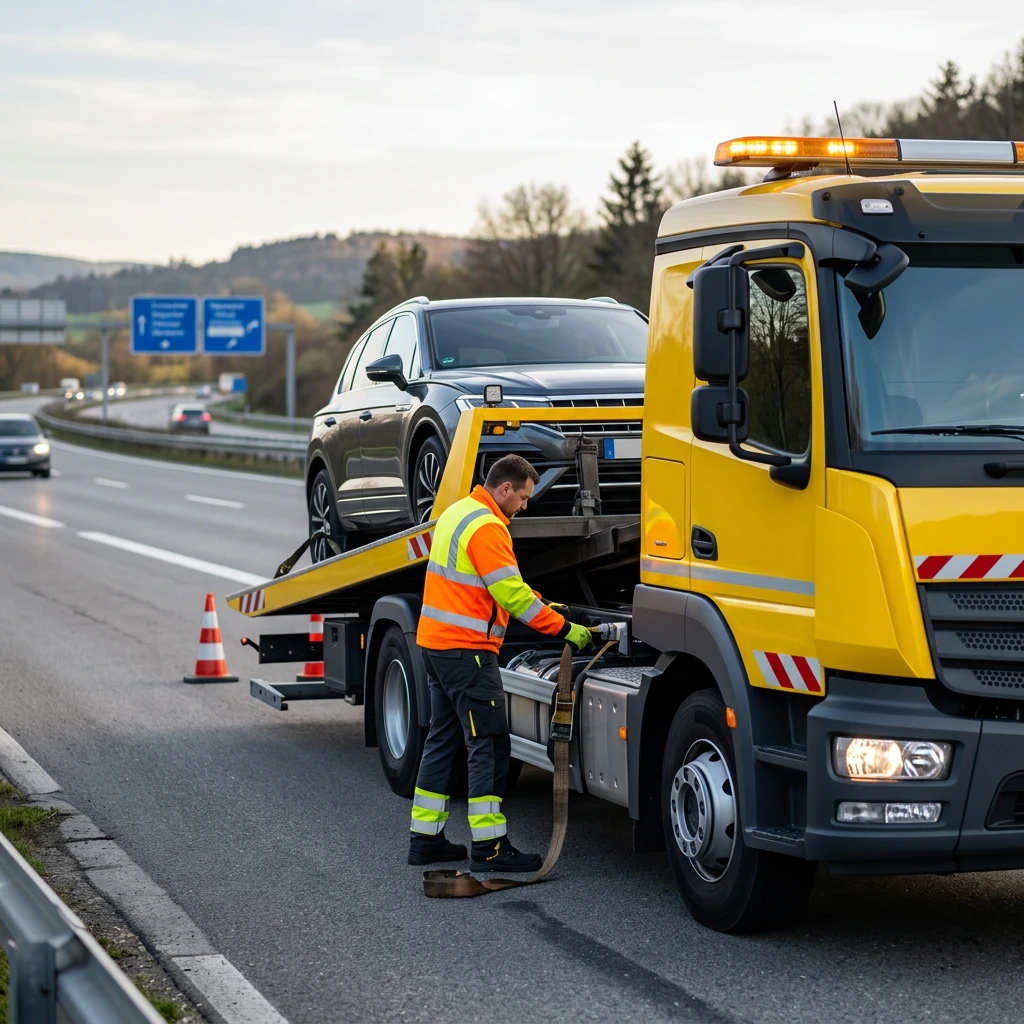
As of 2026, Croatia has fully adopted the Euro, leading to a shift in pricing structures across various services, including towing and roadside assistance. Inflation has also played a role in adjusting costs, making it essential for tourists to understand what to expect when they require these services. Towing services are generally reliable, with a network of providers available throughout the coastal regions, especially during the busy tourist season.
- Informative estimated average prices in Euros (€)
- Transparent low vs. high peak season price breakdown below
Comprehensive Price Breakdown & Comparison Table 2026
| Service | Low Season (€) | High Season (€) |
|---|---|---|
| Towing Service (within city limits) | 50 | 100 |
| Towing Service (long distance) | 150 | 300 |
| Roadside Assistance (flat tire change) | 30 | 60 |
| Battery Jump Start | 20 | 40 |
| Fuel Delivery (up to 10 liters) | 30 | 50 |
| Lockout Service | 40 | 80 |
Regional Price Variations (Islands vs Coastal vs Inland)
Prices for towing and roadside assistance can vary significantly depending on the region. Coastal areas, particularly tourist hotspots like Dubrovnik and Split, tend to have higher rates due to increased demand. In contrast, more remote islands such as Hvar and Korčula may have limited services, leading to higher costs for transportation to and from the mainland. Inland areas generally offer more competitive pricing.
Insider Money-Saving Tips & Tourist Traps to Avoid
- Look for local lunch specials known as 'Marenda' to save on meals.
- Consider grocery shopping at local markets for snacks and drinks instead of touristy shops.
- Avoid dynamic currency conversion at ATMs; always choose to be charged in local currency to avoid extra fees.
- Familiarize yourself with tipping etiquette; rounding up the bill is usually appreciated but not mandatory.
Payment Rules, Card Acceptance & Fiscal Receipts
In Croatia, it is mandatory for businesses to issue a fiscal receipt ('Fiskalni račun') for all transactions. This is important for tax purposes and ensures that you are protected as a consumer. While most towing services accept credit cards, having cash on hand is advisable, especially in remote areas where card acceptance may be limited.