Current Situation & Pricing Overview 2026 in Croatia
As Croatia continues to embrace its new Euro currency, the seafood market has seen a notable shift in pricing dynamics. Following the Euro adoption, seafood prices have experienced inflation, reflecting both global market trends and local economic conditions. Visitors can expect to pay more than in previous years, but the quality and freshness of the seafood remain exceptional, especially along the stunning Adriatic coastline.
In 2026, seafood lovers will find a variety of options ranging from budget-friendly local markets to high-end dining experiences. The coastal regions, with their access to the sea, offer the freshest catches, making it a prime destination for seafood enthusiasts.
- Informative estimated average prices in Euros (€)
- Transparent low vs. high peak season price breakdown below
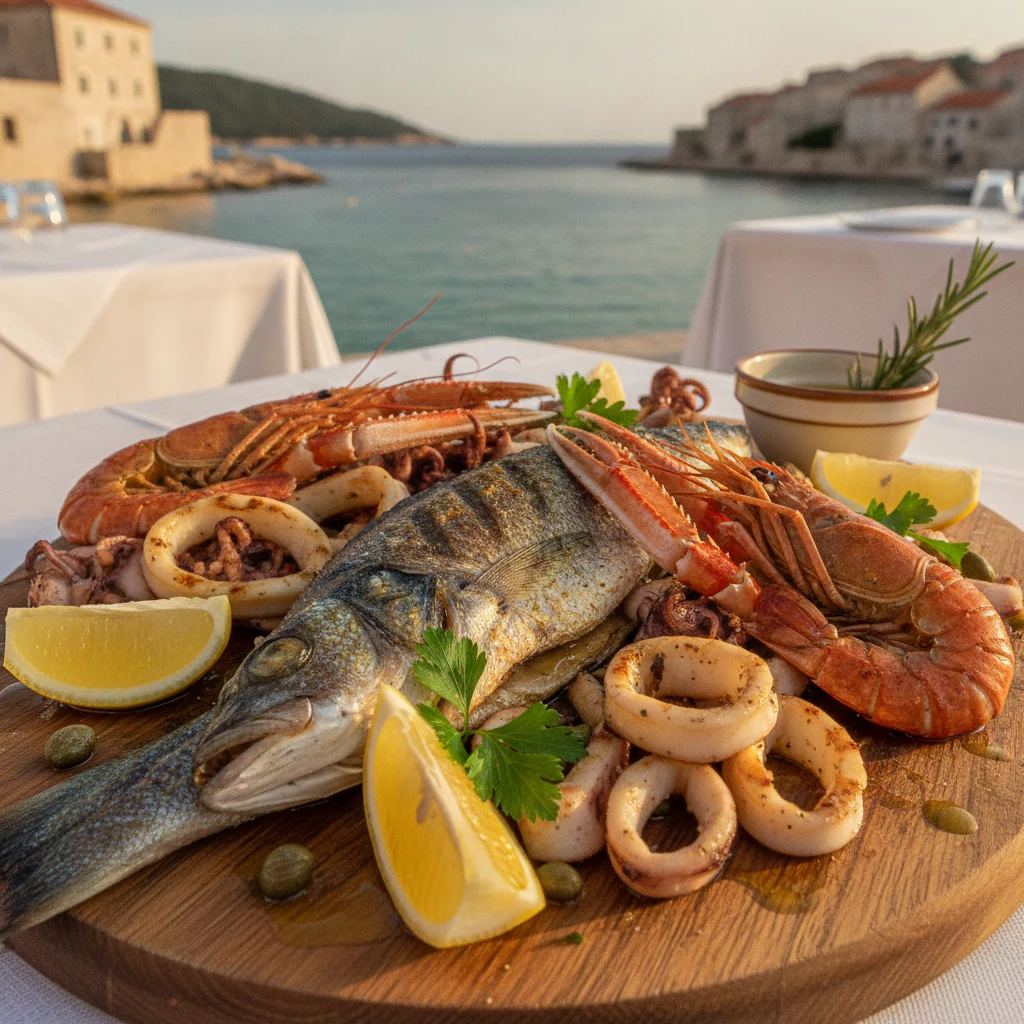
Comprehensive Price Breakdown & Comparison Table 2026
| Item | Low Season Price (€) | High Season Price (€) |
|---|---|---|
| Fresh Adriatic Fish (per kg) | 15 € | 30 € |
| Seafood Platter (restaurant) | 25 € | 60 € |
| Grilled Octopus (restaurant) | 20 € | 40 € |
| Local Shrimp (per kg) | 25 € | 50 € |
| Fish Soup (restaurant) | 10 € | 20 € |
| Canned Sardines (local brand) | 2 € | 5 € |
Regional Price Variations (Islands vs Coastal vs Inland)
Prices for seafood can vary significantly across different regions of Croatia. Coastal towns like Dubrovnik, Split, and Rovinj tend to have higher prices due to their popularity among tourists. In contrast, the islands, such as Hvar and Korčula, may offer slightly lower prices, especially if you venture away from the main tourist areas.
Inland areas, while not directly on the coast, may have access to seafood through local markets, but prices will generally be higher due to transportation costs. Visitors are encouraged to explore local markets for the best deals and freshest options.
Insider Money-Saving Tips & Tourist Traps to Avoid
- Look for 'Marenda' Specials: Many local restaurants offer lunch specials known as 'Marenda' that provide excellent value for money.
- Shop at Local Markets: Purchasing seafood from local fish markets can save you money compared to dining out.
- Avoid Tourist Traps: Restaurants located in prime tourist spots often charge inflated prices. Seek out eateries frequented by locals.
- Be Wary of Dynamic Currency Conversion: When using ATMs or credit cards, opt to pay in local currency to avoid unfavorable exchange rates.
- Tipping Etiquette: While tipping is appreciated, it is not obligatory. A 10% tip is standard for good service.
Payment Rules, Card Acceptance & Fiscal Receipts
In Croatia, it is essential to understand the fiscal law known as 'Fiskalni račun,' which mandates that all businesses provide a fiscal receipt for transactions. Always ask for a receipt when making purchases, especially for larger amounts, as this is crucial for tax purposes and can be beneficial if you need to return items.
While credit and debit cards are widely accepted in urban areas and tourist destinations, it is advisable to carry some cash, particularly in smaller towns or markets where card acceptance may be limited. Always check with your bank regarding foreign transaction fees before traveling.