Current Situation & Pricing Overview 2026 in Croatia
As of 2026, Croatia has fully adopted the Euro, which has led to a significant shift in pricing across various sectors, including food and beverages. The transition has generally stabilized prices, but inflation and increased demand from tourists have led to noticeable price hikes in popular coastal areas. Visitors should expect to pay more in bustling tourist hotspots compared to quieter inland regions. Overall, the cost of enjoying a drink in Croatia remains reasonable, especially when compared to many Western European countries.
- Informative estimated average prices in Euros (€)
- Transparent low vs. high peak season price breakdown below
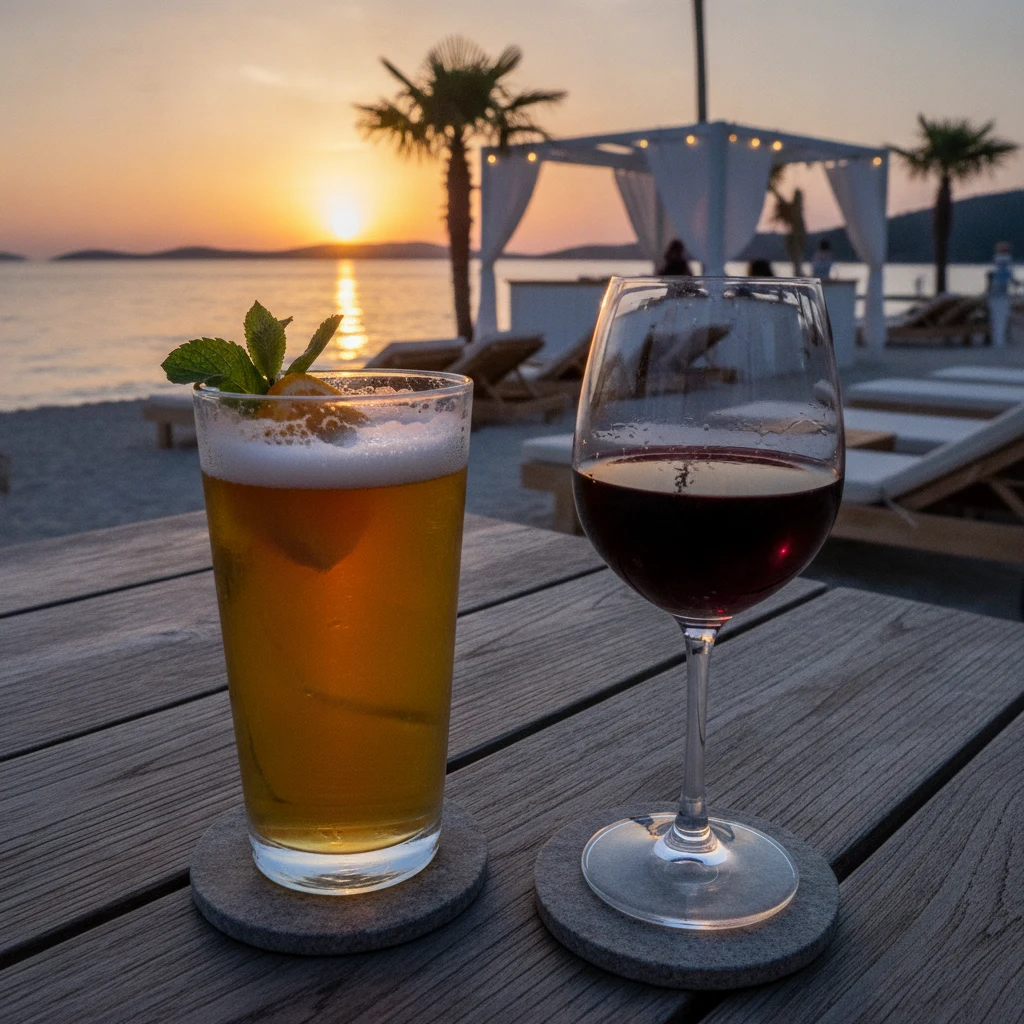
Comprehensive Price Breakdown & Comparison Table 2026
| Item/Service | Low Season Price (€) | High Season Price (€) |
|---|---|---|
| Local Beer (0.5L) | 2 | 5 |
| Imported Beer (0.5L) | 3 | 6 |
| House Wine (glass) | 2 | 4 |
| Quality Local Wine (bottle) | 10 | 30 |
| Cocktail (standard) | 6 | 12 |
| Cocktail (premium) | 10 | 20 |
Regional Price Variations (Islands vs Coastal vs Inland)
Prices for drinks can vary significantly depending on the region. In popular tourist destinations such as Hvar and Dubrovnik, prices are generally higher due to demand. For instance, a cocktail in Dubrovnik can cost up to 20% more than in smaller towns like Poreč or Opatija. On the islands, expect to pay a premium for drinks, especially in beach bars. In contrast, inland areas offer more budget-friendly options, with local taverns often providing cheaper drinks.
Insider Money-Saving Tips & Tourist Traps to Avoid
- Lunch Specials: Look for 'Marenda' deals, which are local lunch specials often including a drink at a reduced price.
- Grocery Shopping: Purchase drinks from local supermarkets for significant savings, especially if you plan to enjoy drinks at your accommodation.
- Dynamic Currency Conversion: Avoid using dynamic currency conversion at ATMs or card machines, as it can lead to unfavorable exchange rates.
- Tipping Etiquette: While tipping is appreciated, rounding up the bill or leaving a small tip is sufficient.
- Happy Hours: Take advantage of happy hour deals in bars, which can offer substantial discounts on drinks.
Payment Rules, Card Acceptance & Fiscal Receipts
In Croatia, it's common to pay by card, especially in urban and tourist areas. However, always check if the establishment accepts cards, as some smaller venues may only accept cash. According to Croatian fiscal law ('Fiskalni račun'), businesses are required to provide a fiscal receipt for every transaction, which is important for tax purposes. Always ask for a receipt, especially if you plan to make a complaint or return an item.