Current Situation & Pricing Overview 2026 in Croatia
As Croatia continues to adapt to the Euro, the automotive service industry has seen a shift in pricing structures. Following Euro adoption, many services experienced a slight increase due to inflation and the rising cost of imported parts. Visitors should expect to pay a bit more than in previous years, but overall, car repair costs remain competitive compared to Western Europe.
- Informative estimated average prices in Euros (€)
- Transparent low vs. high peak season price breakdown below
Comprehensive Price Breakdown & Comparison Table 2026
| Service | Low Season (€) | High Season (€) |
|---|---|---|
| Oil Change | 40 | 80 |
| Tire Change | 30 | 60 |
| Brake Pad Replacement | 100 | 200 |
| Engine Diagnostics | 50 | 100 |
| Transmission Fluid Change | 80 | 150 |
| Battery Replacement | 70 | 120 |
| Air Conditioning Service | 60 | 120 |
| Full Vehicle Inspection | 100 | 250 |
| Car Wash | 10 | 30 |
| Roadside Assistance | 50 | 100 |
Regional Price Variations (Islands vs Coastal vs Inland)
Prices for car mechanic services can vary significantly across Croatia. Coastal areas like Dubrovnik and Split tend to have higher prices due to the influx of tourists, while inland areas may offer more competitive rates. Islands such as Hvar and Korčula may have limited services, and prices can be higher due to transportation costs. It's advisable to research local mechanics in advance to get the best rates.
Insider Money-Saving Tips & Tourist Traps to Avoid
- Local Lunch Specials: Look for 'Marenda' – a traditional Croatian lunch special that offers great value.
- Grocery Shopping Hacks: Visit local markets for fresh produce and avoid touristy grocery stores for better prices.
- Dynamic Currency Conversion: Avoid using dynamic currency conversion at ATMs; choose to pay in local currency for better rates.
- Tipping Etiquette: While not mandatory, leaving a small tip for exceptional service is appreciated.
Payment Rules, Card Acceptance & Fiscal Receipts
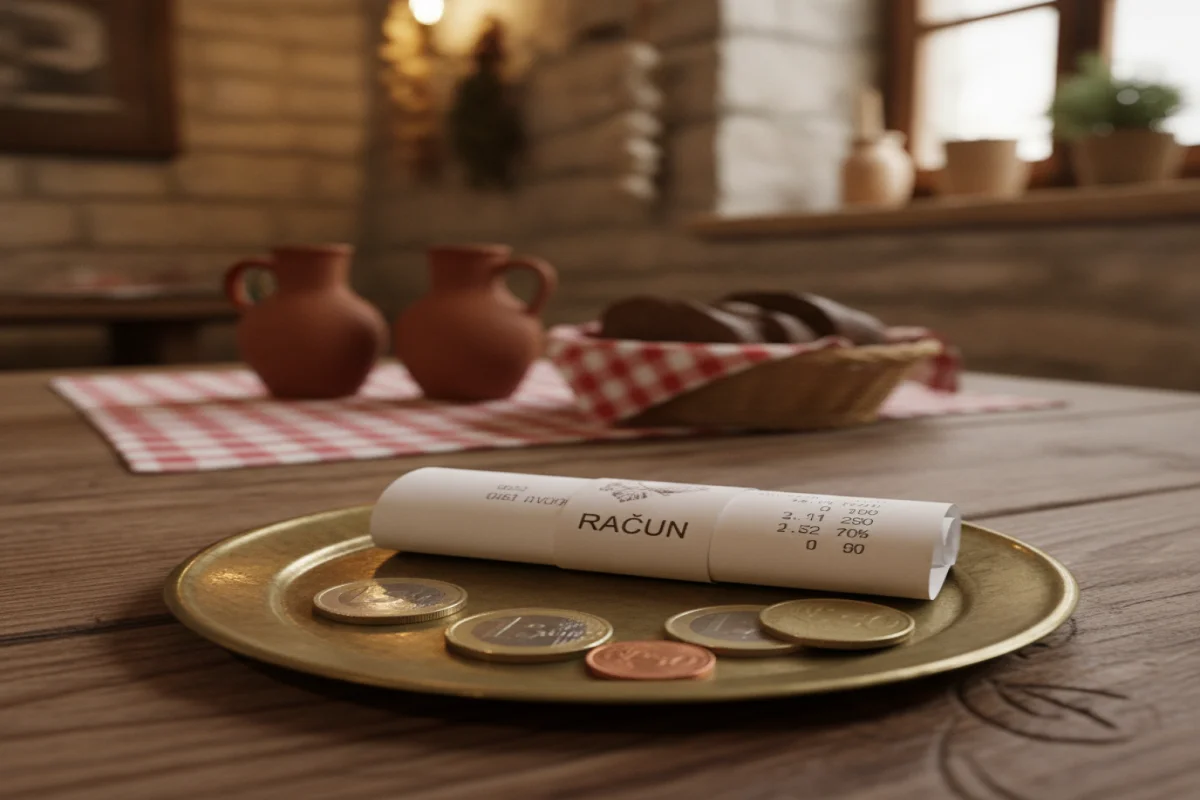
In Croatia, it is essential to ask for a 'Fiskalni račun' (fiscal receipt) after any transaction. This is a legal requirement and ensures that the service provider is compliant with tax regulations. While most mechanics accept credit cards, some may prefer cash, especially in smaller towns. Always confirm payment methods before service to avoid surprises.