Current Situation & Pricing Overview 2026 in Croatia
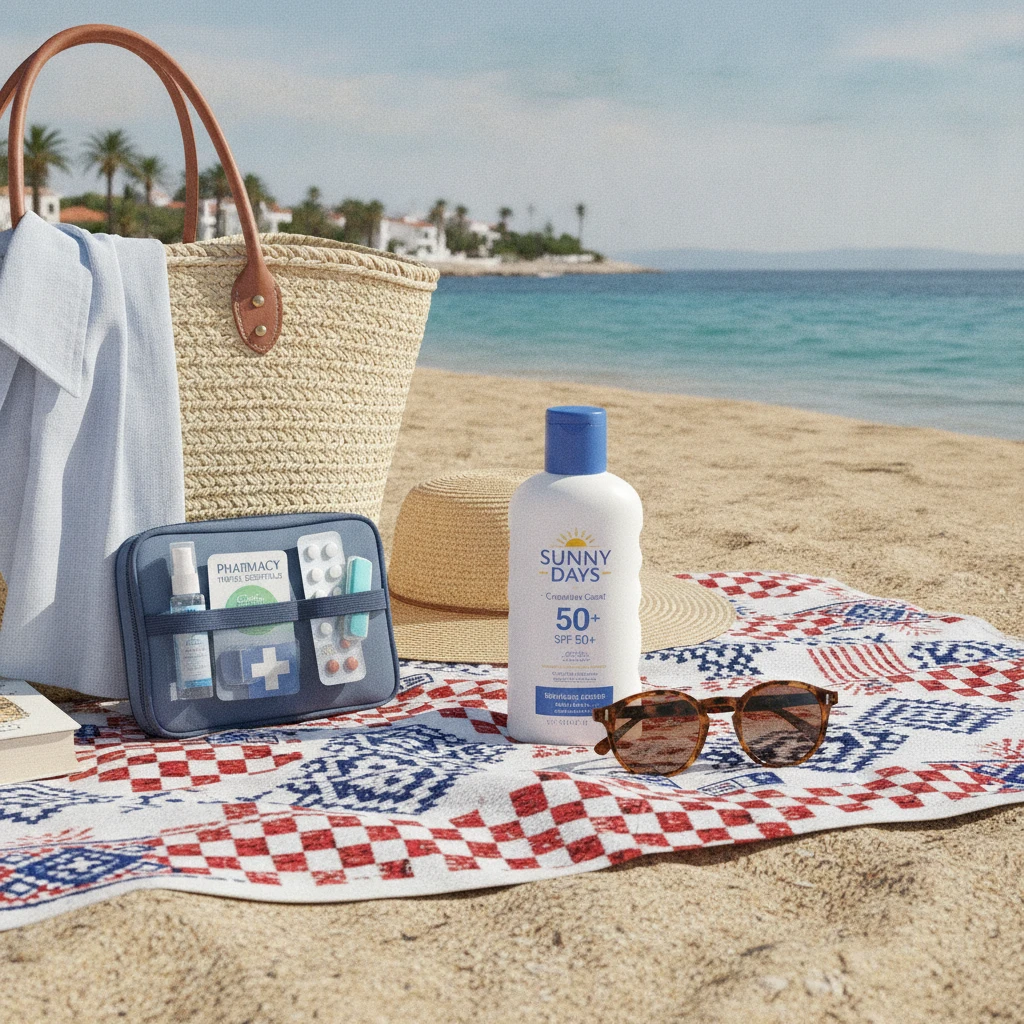
As Croatia embraces the Euro, the prices of beach essentials have seen a notable shift. The adoption of the Euro in 2023 has led to a mix of price stabilization and inflation, particularly in tourist-heavy areas. Visitors can expect to pay slightly more for items like sunscreen and beach care products, especially during the peak summer months. In 2026, the average price for sunscreen ranges from 10 € to 20 €, depending on the brand and location.
- Informative estimated average prices in Euros (€)
- Transparent low vs. high peak season price breakdown below
Comprehensive Price Breakdown & Comparison Table 2026
| Item | Low Season Price (€) | High Season Price (€) | Notes |
|---|---|---|---|
| Sunscreen SPF 30 (200ml) | 10 € | 20 € | Available at pharmacies and supermarkets |
| After-sun lotion (200ml) | 8 € | 15 € | Recommended for sunburn relief |
| Beach towel rental | 5 € | 10 € | Daily rental at beach kiosks |
| Flip-flops | 10 € | 25 € | Varies by brand and quality |
| Beach umbrella rental | 10 € | 20 € | Daily rental, essential for shade |
| Waterproof phone case | 5 € | 15 € | Available at beach shops |
Regional Price Variations (Islands vs Coastal vs Inland)
Prices for beach essentials can vary significantly across Croatia's coastal regions, islands, and inland areas. Popular tourist destinations like Hvar and Dubrovnik often have higher prices due to increased demand. For example, a bottle of sunscreen in Hvar may cost around 15 € during peak season, while the same product in a less touristy area like Slavonija could be found for as low as 10 €.
- Hvar: Higher prices due to luxury tourism.
- Dubrovnik: Premium pricing in the Old Town.
- Split: Moderate prices, with options for budget travelers.
- Rovinj: Competitive pricing, especially in local shops.
- Korčula: Prices vary; local markets offer better deals.
Insider Money-Saving Tips & Tourist Traps to Avoid
To make the most of your budget while enjoying Croatia's beautiful beaches, consider these tips:
- Local Lunch Specials: Look for 'Marenda' deals in local eateries for affordable meals.
- Grocery Shopping: Purchase beach essentials at supermarkets rather than tourist shops for better prices.
- ATM Fees: Avoid dynamic currency conversion at ATMs; choose to be charged in Euros.
- Tipping Etiquette: A small tip (5-10%) is appreciated but not mandatory in casual settings.
Payment Rules, Card Acceptance & Fiscal Receipts
In Croatia, cash is still widely used, especially in smaller towns and at beach kiosks. However, major credit cards are accepted in most tourist areas. It's important to ask for a 'Fiskalni račun' (fiscal receipt) for any purchase, as this is a legal requirement and can be useful for warranty claims or returns.
Be prepared to carry some cash for small purchases, especially in remote areas or local markets. Always check if the establishment accepts cards before ordering.