Current Situation & Pricing Overview 2026 in Croatia
As Croatia continues to embrace the Euro, the landscape of transportation pricing has seen notable changes. With inflation impacting various sectors, tourists can expect to pay slightly more for taxi and airport transfer services compared to previous years. However, the convenience and accessibility of these services remain a significant advantage for visitors exploring the beautiful coastal and island regions of Croatia.
- Informative estimated average prices in Euros (€)
- Transparent low vs. high peak season price breakdown below
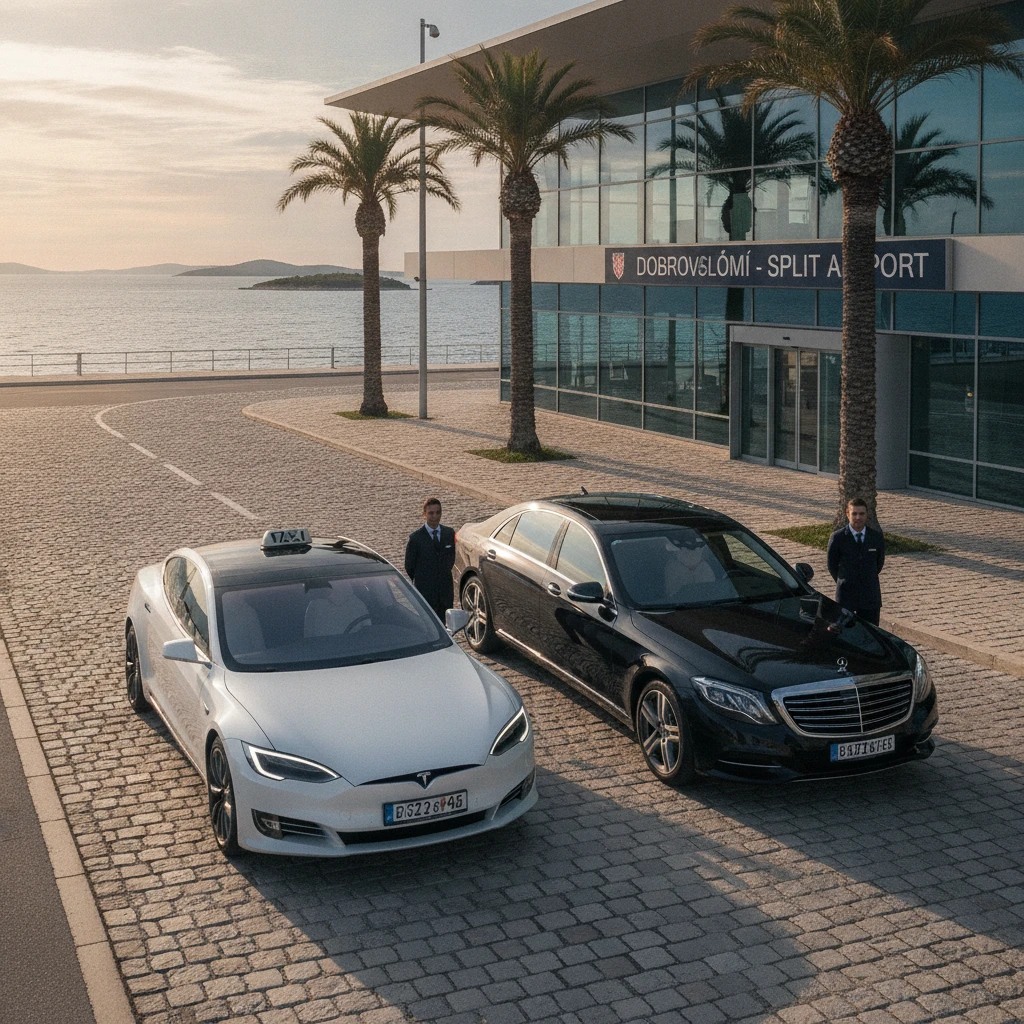
Comprehensive Price Breakdown & Comparison Table 2026
| Service | Low Season Price (€) | High Season Price (€) | Unit |
|---|---|---|---|
| Taxi from Split Airport to Split City Center | 35 € | 50 € | per ride |
| Uber from Dubrovnik Airport to Dubrovnik Old Town | 30 € | 45 € | per ride |
| Private transfer from Zadar Airport to Zadar City | 50 € | 70 € | per ride |
| Taxi from Rijeka to Opatija | 20 € | 30 € | per ride |
| Shared shuttle from Pula Airport to Pula | 15 € | 25 € | per person |
| Luxury transfer from Split to Hvar Island | 200 € | 300 € | per ride |
Regional Price Variations (Islands vs Coastal vs Inland)
Prices for taxi and airport transfer services can vary significantly depending on the region. For instance, popular islands like Hvar and Korčula tend to have higher rates due to their tourist appeal and limited transport options. In contrast, inland areas may offer more competitive pricing. Here’s a brief overview of regional variations:
- Hvar Island: Expect to pay premium rates for transfers, especially during the summer season.
- Dubrovnik: Known for its high tourist traffic, taxi fares can be on the higher end, particularly from the airport.
- Split: Offers a range of options from budget shuttles to luxury transfers, catering to diverse travelers.
- Inland Areas: Generally more affordable, with local taxis offering competitive rates.
Insider Money-Saving Tips & Tourist Traps to Avoid
To make the most of your travel budget in Croatia, consider these insider tips:
- Local Lunch Specials: Look for 'Marenda' deals in local eateries, offering affordable meals.
- Grocery Shopping: Purchase snacks and drinks at supermarkets instead of tourist shops to save money.
- Avoid Dynamic Currency Conversion: Always choose to pay in Euros to avoid unfavorable exchange rates.
- ATM Fees: Use ATMs that are affiliated with your bank to minimize withdrawal fees.
- Tipping Etiquette: A small tip (around 10%) is appreciated in restaurants and for taxi drivers.
Payment Rules, Card Acceptance & Fiscal Receipts
In Croatia, it is essential to understand the payment landscape. Most establishments accept credit and debit cards, but it’s wise to carry some cash, especially in rural areas. Here are key points to keep in mind:
- Fiscal Receipts: Always ask for a 'Fiskalni račun' (fiscal receipt) for your purchases. This is important for tax purposes and ensures you are charged correctly.
- Card Acceptance: While major cards like Visa and MasterCard are widely accepted, some smaller businesses may only take cash.
- Cash vs. Card: In tourist-heavy areas, card payments are common, but in local markets and smaller towns, cash is preferred.