Current Situation & Pricing Overview 2026 in Croatia
As Croatia embraces the Euro, the entrance fees for national parks have seen a gradual increase, reflecting inflation and the rising costs of maintaining these natural treasures. In 2026, visitors can expect to pay between 5 € and 40 € for entrance, depending on the park and season. The shift to the Euro has made pricing more straightforward for international tourists, allowing for easier budgeting during their travels.
- Informative estimated average prices in Euros (€)
- Transparent low vs. high peak season price breakdown below
Comprehensive Price Breakdown & Comparison Table 2026
| Park | Low Season (April - June) | High Season (July - August) | Discounts |
|---|---|---|---|
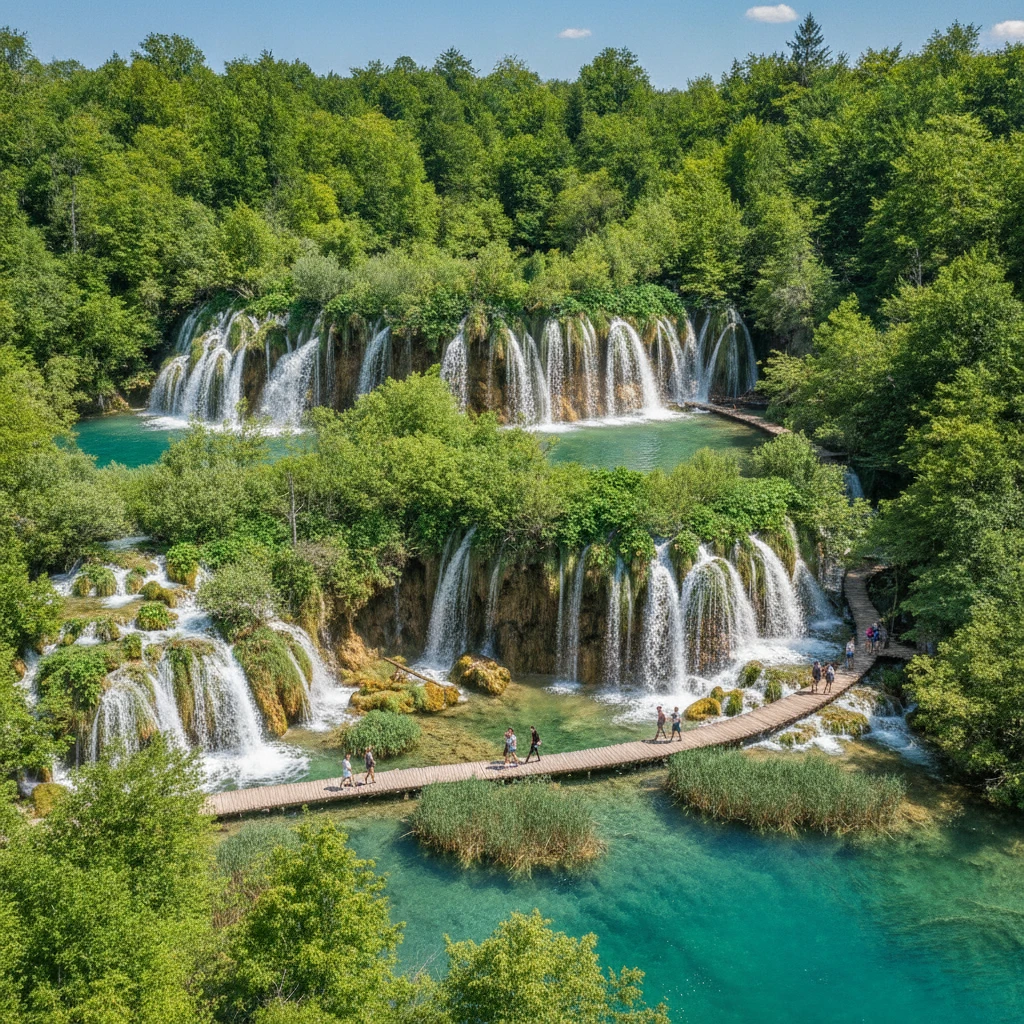
| Plitvice Lakes | 15 € | 30 € | Family discounts available |
| Krka | 10 € | 20 € | Group rates apply |
| Mljet | 8 € | 15 € | Student discounts |
| Kornati | 20 € | 40 € | No discounts |
| Paklenica | 8 € | 12 € | Free for children under 7 |
| Risnjak | 5 € | 10 € | Discounts for seniors |
Regional Price Variations (Islands vs Coastal vs Inland)
Prices for national park entrance fees can vary significantly based on location. Coastal parks such as Plitvice and Krka tend to have higher fees, especially during the peak tourist season. In contrast, inland parks like Risnjak and Paklenica may offer more affordable options, attracting fewer visitors. Islands like Mljet and Kornati also have unique pricing structures due to their accessibility and popularity among tourists.
Insider Money-Saving Tips & Tourist Traps to Avoid
- Lunch Specials: Look for local 'Marenda' lunch specials in nearby towns, which often provide hearty meals at a fraction of restaurant prices.
- Grocery Shopping: Purchase snacks and drinks at local grocery stores instead of tourist shops to save money.
- ATM Fees: Be cautious of dynamic currency conversion at ATMs; always choose to be charged in Euros to avoid extra fees.
- Tipping Etiquette: While tipping is appreciated, it is not mandatory. A small tip of 5-10% is sufficient for good service.
Payment Rules, Card Acceptance & Fiscal Receipts
In Croatia, most national parks accept credit and debit cards, but it is advisable to carry some cash, especially in rural areas. According to Croatian fiscal law ('Fiskalni račun'), businesses must provide a fiscal receipt for all transactions, which is important for warranty claims and potential tax deductions. Always ask for a receipt when making a purchase to ensure compliance with local regulations.